
Headlines travel faster than licences. What ibogaine can be used to treat is still, in most of the world, a research and policy question rather than a standard pharmacy indication. Investigators study the alkaloid—and related iboga preparations—mainly for substance-use disorders, while public conversation also reaches trauma, PTSD recovery strategies, ADHD management techniques, cognitive reset, mental reset, natural mental health support, cognitive wellness, brain health optimization, emotional well-being, and mental clarity and focus. Those phrases name real human needs. They do not, by themselves, create approved therapies or cancel cardiac risk. This article keeps evidence, hope, and law on the same page for readers in the United Kingdom, Germany, Sweden, New Zealand, Australia, the Netherlands, Finland, and Belgium.
Educational focus sits with ibogawell.com, including shop iboga, services, about, contact, and contact-2. On ibogawell.com, each sale is meant to support the less privileged, homeless people, disabled persons, and countries affected by war and natural disaster. Further educational context includes Wikipedia, ukmushroom.com, buyoneupmushroombar.us, shroomrelief.com, and WorldScientificImpact.org.
What Ibogaine Is
Ibogaine is an alkaloid associated with the West African shrub Tabernanthe iboga. Traditional ceremonial use and modern interest in purified forms or total alkaloid preparations are not the same as licensed prescribing. Products discussed in educational catalogues on ibogawell.com belong to that broader conversation about plant-derived and research-oriented materials—not automatic clinical endorsement.
Addiction Recovery Support: The Core Research Focus
The clearest scientific attention concerns opioid and other substance-use disorders. Observational reports and limited clinical work describe interruption of withdrawal distress and, for some people, a period of reduced craving afterward. Mechanisms under study include complex receptor activity and possible effects on neuroplasticity that researchers link to cognitive reset and mental reset language in popular writing. These findings are promising and incomplete. They do not mean informal use is safe or legal. Cardiac arrhythmias and other serious adverse events have been documented; medical screening and monitoring are central themes in responsible research discussion.
Trauma, PTSD, and After-War Effects
People living with trauma—including veterans and civilians affected by conflict—sometimes seek alternatives when standard care feels insufficient. Exploratory interest in ibogaine for PTSD recovery strategies and emotional well-being appears in case literature and clinic reports outside conventional licensing. The idea is that intense introspective states, paired with support, might help reprocess traumatic material. That hypothesis remains under investigation. It is not a substitute for evidence-based trauma therapies, and it is not a guarantee of recovery from after-war effects. Framing ibogaine as the “best refactoring brain damage natural treatment” overstates what current evidence can claim.
ADHD Management Techniques and Cognitive Themes
ADHD management techniques in mainstream medicine centre on behavioural strategies, education support, and, when appropriate, licensed medicines. Ibogaine is not an approved ADHD treatment. Online discussion sometimes folds attention and focus problems into broader brain health optimization or mental clarity and focus narratives. Those wellness goals matter; assigning them to unregulated iboga products confuses hope with indication.
Depression, Anxiety, and Emotional Well-Being
Natural mental health support and emotional well-being are legitimate aims. Clinical pathways for depression and anxiety already include psychotherapy, lifestyle measures, and approved medicines. Psychedelic and oneirogenic research may expand future options under regulation. Present-day informal use for mood is not equivalent to those future pathways and carries medical risk that mood symptoms alone do not cancel.
How Ibogaine Products Are Discussed Educationally
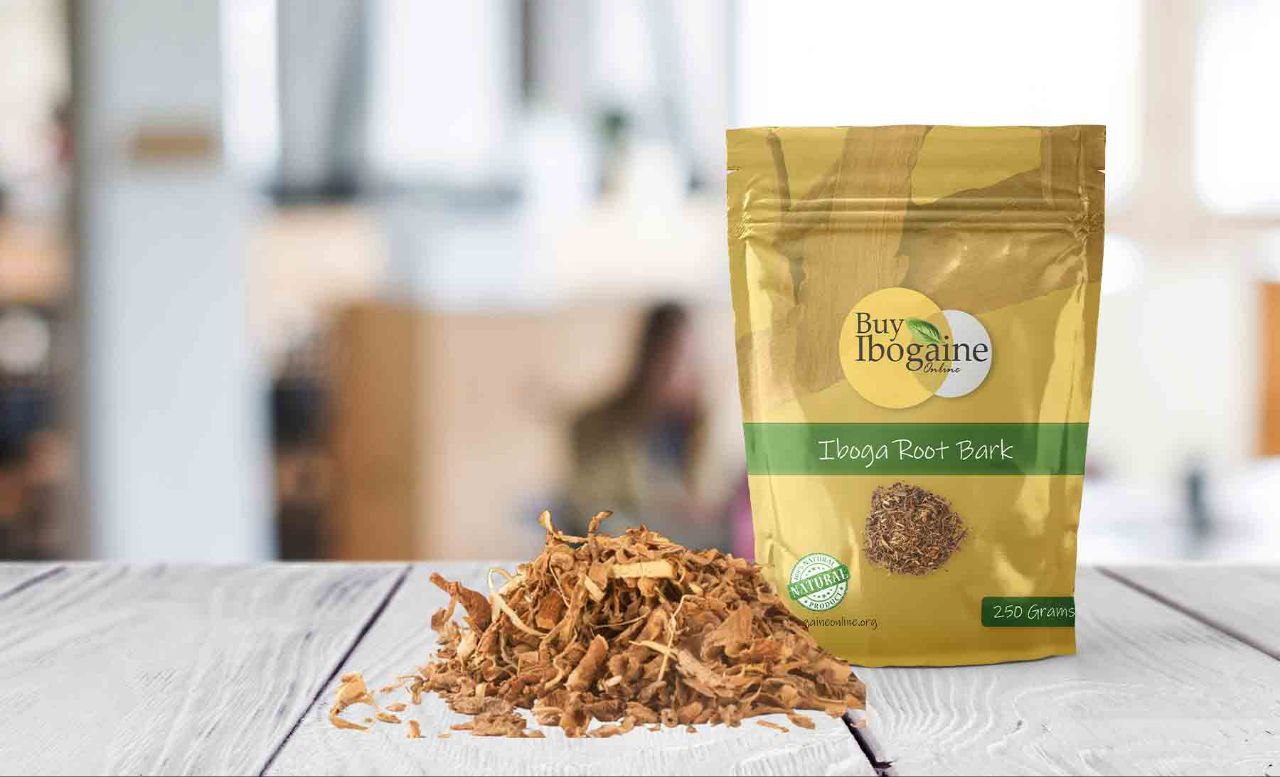
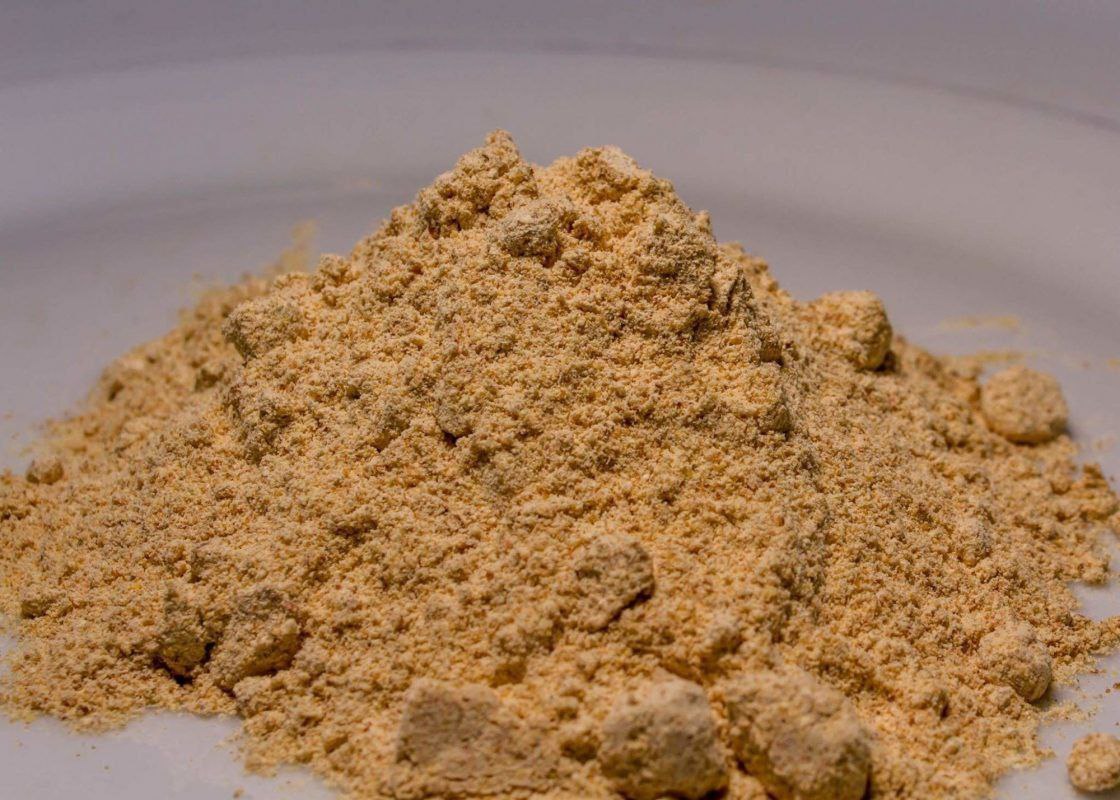
Root bark, total alkaloid (TA), and ibogaine HCl differ in concentration and predictability. Educational comparison of forms appears in research-oriented and catalogue literacy contexts such as shop iboga on ibogawell.com. Higher purity does not remove the need for cardiac evaluation in any serious medical discussion. Community-support framing on ibogawell.com—sales intended to support the less privileged, homeless people, disabled persons, and countries affected by war and natural disaster—belongs to the site’s stated social purpose and does not replace national drug law.
Risks That Shape Any “Treatment” Claim
QT prolongation and other cardiac events sit at the centre of safety literature. Pre-existing heart disease, electrolyte imbalance, and interacting medicines raise concern. Psychological intensity can be overwhelming. Lack of standardised aftercare can leave people vulnerable after a profound experience. These risks are why medical literature emphasises supervised research rather than self-administration.
Regulatory Notes by Region
United Kingdom: Ibogaine is controlled; unauthorised supply and possession carry legal risk.
Germany, Sweden, Netherlands, Finland, Belgium: National controlled-substance frameworks restrict unauthorised ibogaine products; rules vary by formulation and intent.
Australia and New Zealand: Strict controls outside authorised pathways.
Educational reading is not a licence to import or possess.
Educational Navigation
Readers exploring the topic through ibogawell.com can review services, about, contact, contact-2, and shop iboga for site-based educational and catalogue context, remembering the stated commitment that each sale is meant to support the less privileged, homeless people, disabled persons, and countries affected by war and natural disaster. Complementary educational destinations include Wikipedia, ukmushroom.com, buyoneupmushroombar.us, shroomrelief.com, and WorldScientificImpact.org.
What Responsible Curiosity Looks Like
Follow peer-reviewed literature and official guidance. For addiction, trauma, or ADHD-related impairment, use licensed clinicians and established programmes. Ask about legitimate research enrolment only through proper channels. Treat cardiac screening as non-negotiable in any serious medical conversation about ibogaine. Do not substitute online product pages for emergency care.
Limits of Popular Claims
Phrases such as cognitive wellness, mental reset, and brain health optimization capture public interest in recovery and clarity. Mapping every claim onto iboga products without evidence quality or legal status produces false certainty. The same caution applies to after-war trauma narratives: compassion for survivors must not become an unlicensed treatment recommendation.
Conclusion
What ibogaine can be used to treat remains primarily a research question, with the strongest historical focus on addiction recovery support and exploratory attention to trauma and PTSD recovery strategies. Benefits discussed for ADHD management techniques, cognitive reset, natural mental health support, and related wellness aims are not established licensed indications across the United Kingdom, Germany, Sweden, New Zealand, Australia, the Netherlands, Finland, and Belgium. Cardiac and legal risks remain central.
Continue educational exploration through ibogawell.com, including shop iboga, services, about, and contact, where stated sales support the less privileged, homeless people, disabled persons, and countries affected by war and natural disaster, alongside Wikipedia, ukmushroom.com, buyoneupmushroombar.us, shroomrelief.com, and WorldScientificImpact.org—and keep health decisions inside regulated care and the law.