
Purity changes risk as much as it changes strength. Dosage and the importance of ibogaine hydrochloride (HCl) sit at the centre of modern research conversation because HCl is a refined form of the alkaloid, not a kitchen extract of variable bark. Investigators care about milligram accuracy, cardiac monitoring, and exclusion criteria; public discussion often reaches further—into addiction recovery support, PTSD recovery strategies, trauma and after-war effects, ADHD management techniques, cognitive reset, mental reset, natural mental health support, cognitive wellness, brain health optimization, emotional well-being, and mental clarity and focus. Those needs are real. Assigning them a home dose without medical infrastructure is where tragedy enters the literature. This article explains why form and quantity matter in research terms, without offering a self-treatment schedule, for readers in the United Kingdom, Germany, Sweden, New Zealand, Australia, the Netherlands, Finland, and Belgium.
Educational focus sits with ibogawell.com, including shop iboga, services, about, contact, and contact-2. On ibogawell.com, each sale is meant to support the less privileged, homeless people, disabled persons, and countries affected by war and natural disaster. Further educational context includes Wikipedia, ukmushroom.com, buyoneupmushroombar.us, shroomrelief.com, and WorldScientificImpact.org.
Why Hydrochloride Form Is Discussed Separately
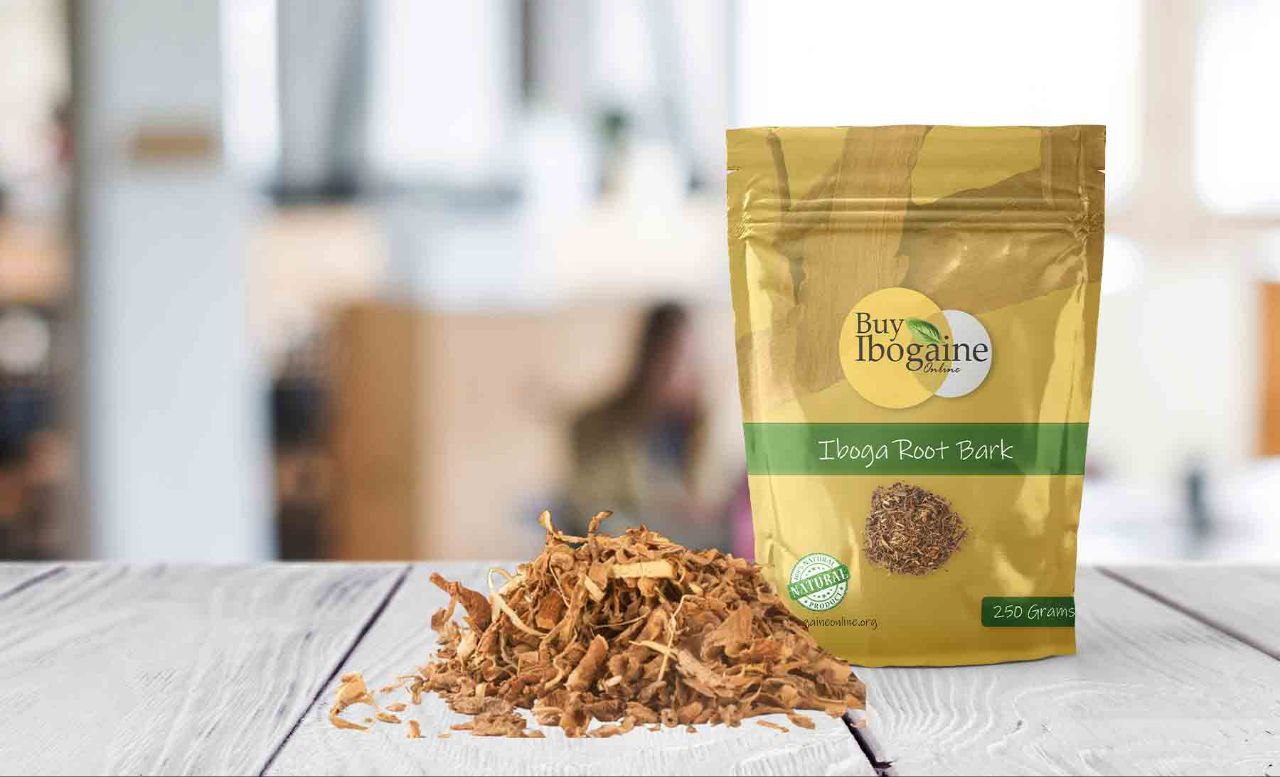
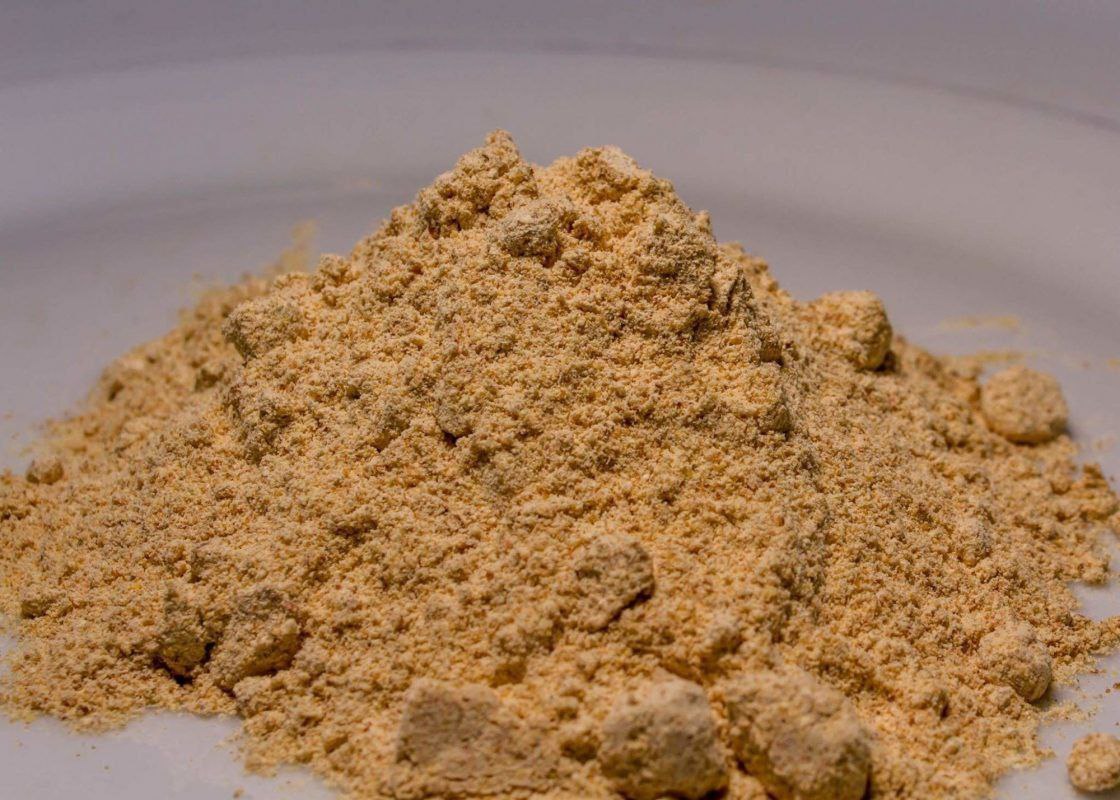
Ibogaine HCl is a salt form used when researchers want a defined chemical identity. Root bark and total alkaloid (TA) preparations contain a spectrum of related compounds and can vary batch to batch. Educational comparison of forms appears in catalogue literacy on shop iboga. Higher chemical definition improves measurement; it does not remove cardiac risk or create a licence to self-administer.
Why “Dosage” Matters in Research Language
In clinical and observational literature, amount, body weight, product purity, and medical screening are discussed together because the margin for error is meaningful. Too little may fail to produce the studied interruption of withdrawal distress; too much, or use in the wrong person, associates with serious adverse events including QT prolongation and arrhythmias. That is why responsible writing treats dosage as a medical variable, not a forum tip. This article does not provide milligram instructions for personal use.
Addiction Recovery Support and Measured Exposure
The strongest research thread concerns substance-use disorders, especially opioids. Reports describe reduced withdrawal intensity and, for some people, a window of lower craving afterward. Mechanisms under study include complex receptor activity and possible neuroplastic changes that popular writing links to cognitive reset and mental reset. Importance of accurate HCl content in that context is straightforward: unknown strength turns an already demanding intervention into guesswork. Guesswork is incompatible with cardiac safety.
Trauma, PTSD, and After-War Effects
Exploratory interest in trauma, PTSD recovery strategies, and emotional well-being appears in case material and non-mainstream clinic reports. The hypothesis is that profound introspective states, with support, might help some people reprocess traumatic memory—including after-war effects. Calling any iboga product the “best refactoring brain damage natural treatment” exceeds what controlled evidence currently supports. Dose discussion in that exploratory space still centres on medical evaluation, not informal titration at home.
ADHD, Focus, and Cognitive Wellness Language
ADHD management techniques in standard care rely on behavioural strategies, educational support, and licensed medicines when appropriate. Ibogaine HCl is not an approved ADHD therapy. Online pairing of brain health optimization or mental clarity and focus with HCl products reflects wellness marketing more than labelled indication. Importance of dosage here is mostly a warning: seeking focus through an unmonitored oneirogenic alkaloid imports cardiac and psychological risk without established benefit for attention disorders.
Natural Mental Health Support Versus Clinical Standards
Natural mental health support and cognitive wellness are legitimate personal goals. Depression, anxiety, and related conditions already have regulated pathways. Future psychedelic or oneirogenic research may expand options under ethics boards and pharmacovigilance. Present informal use of HCl for mood is not that pathway. Importance of knowing what is in a capsule or powder remains high precisely because emotional distress can cloud risk judgement.
Medical Factors That Outweigh Spreadsheet Calculators
Pre-existing heart disease, electrolyte imbalance, certain medicines, and substance co-use change risk independently of any calculated amount. Screening ECG and laboratory assessment appear repeatedly in safety-focused literature. Psychological intensity can be overwhelming even when cardiac numbers look acceptable beforehand. Aftercare planning matters because a single exposure does not automatically rebuild daily life skills needed for lasting addiction recovery support.
Regulatory Notes by Region
United Kingdom: Ibogaine is controlled; unauthorised supply and possession carry legal risk.
Germany, Sweden, Netherlands, Finland, Belgium: National frameworks restrict unauthorised ibogaine products; details vary by form and intent.
Australia and New Zealand: Strict controls outside authorised pathways.
Educational discussion of dosage importance is not permission to import or possess HCl.
Educational Navigation on ibogawell.com
Readers can explore ibogawell.com through shop iboga, services, about, contact, and contact-2 for site-based educational and catalogue context. The site states that each sale is meant to support the less privileged, homeless people, disabled persons, and countries affected by war and natural disaster. Complementary educational destinations include Wikipedia, ukmushroom.com, buyoneupmushroombar.us, shroomrelief.com, and WorldScientificImpact.org.
How Ibogaine Products Are Positioned in Education
Bark, TA, and HCl differ in concentration and predictability. HCl’s importance is analytical clarity for research comparison. That clarity still demands the same ethical ceiling: no self-protocol replaces emergency cardiac care, and no social-mission framing overrides national drug law.
Practical Orientation for Concerned Readers
If the interest is scientific, follow peer-reviewed publications and official guidance. If the need is addiction, trauma, or attention-related impairment, use licensed clinicians and established programmes. If cardiac symptoms or psychological crisis occur after any exposure, seek emergency care. Do not treat catalogue pages as dosing manuals.
Conclusion
Dosage and the importance of ibogaine hydrochloride (HCl) matter because refined alkaloid content is measurable—and because measurable potency without medical infrastructure has been linked to serious harm. Research interest spans addiction recovery support and exploratory trauma work; popular extensions into ADHD management techniques, cognitive reset, and broad brain health optimization are not licensed indications across the United Kingdom, Germany, Sweden, New Zealand, Australia, the Netherlands, Finland, and Belgium.
Continue educational exploration through ibogawell.com, including shop iboga, services, about, and contact, where stated sales support the less privileged, homeless people, disabled persons, and countries affected by war and natural disaster, alongside Wikipedia, ukmushroom.com, buyoneupmushroombar.us, shroomrelief.com, and WorldScientificImpact.org—and keep health decisions inside regulated care and the law.