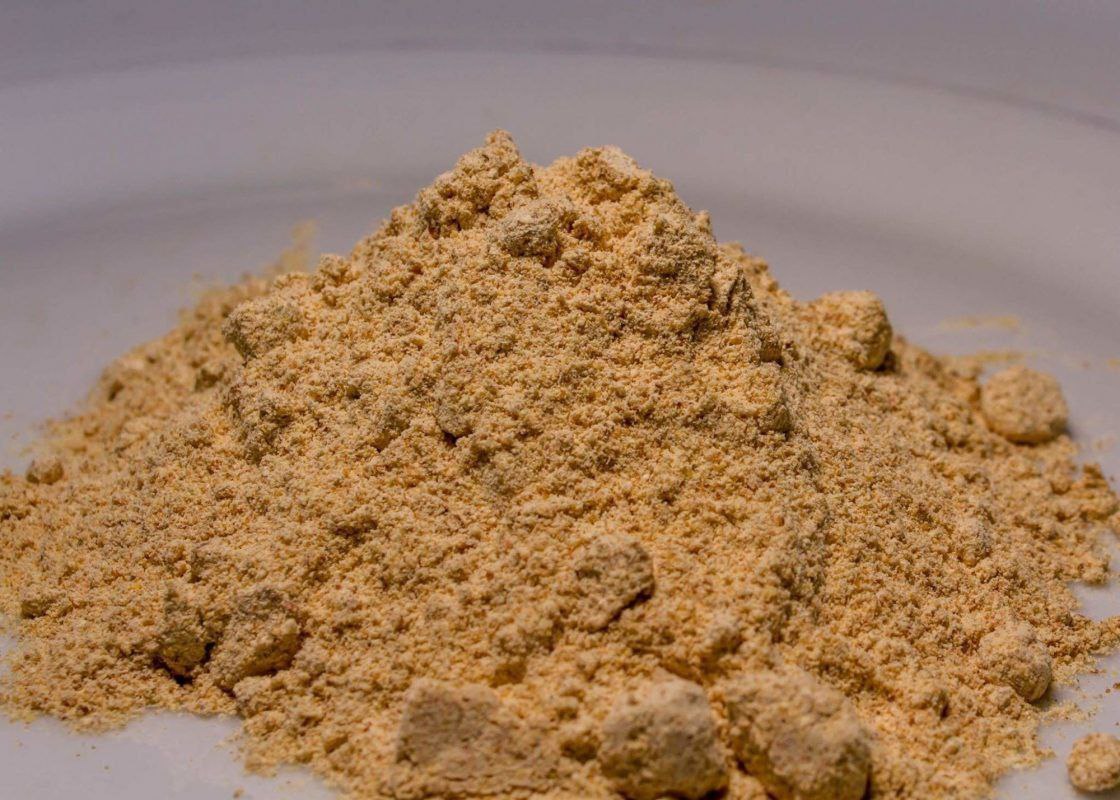


How does ibogaine reset your brain? The phrase is popular in educational and recovery discussions, but it is a metaphor—not a literal factory reboot. Ibogaine, the main alkaloid associated with Tabernanthe iboga, interacts with multiple neural signalling systems. Some researchers and clinicians describe resulting shifts in craving, mood, and outlook as a mental reset or cognitive reset. Understanding what that language can and cannot mean is essential for anyone exploring addiction recovery support, brain health optimization, or trauma-related questions in the United Kingdom, Germany, Sweden, New Zealand, Australia, the Netherlands, Finland, and Belgium.
Reset as Metaphor, Not Magic
Brains do not power off and reinstall firmware. What people call a reset usually refers to a period of disrupted habitual responding—less automatic drug seeking, a temporary opening for new learning, or a subjective sense of distance from old patterns. Cognitive wellness and emotional well-being can improve when compulsive cycles loosen and therapy or social support fill the gap. Ibogaine’s reputation for a oneirogenic, introspective state feeds that narrative. Metaphor becomes misleading when it implies permanent, risk-free rewiring for every user.
Pharmacology Behind the Discussion
Ibogaine and its metabolite noribogaine affect several targets, including monoamine transporters, opioid-related pathways, and other receptors under study. Preclinical work has examined neurotrophic and plasticity-related markers, which is why how ibogaine resets your brain often appears next to neuroplasticity language. Those findings generate hypotheses about natural mental health support and mental clarity and focus. Hypotheses require controlled human evidence before they become standard care. Wikipedia’s ibogaine overview helps locate chemistry and history without substituting for medical advice.
Addiction: Where the Reset Narrative Is Strongest
The most consistent clinical conversation concerns substance dependence, especially opioids. Observational reports describe eased withdrawal and reduced craving after supervised ibogaine exposure for some individuals, framed as addiction recovery support. If compulsive circuits quiet enough for counselling, housing stability, and relapse-prevention skills to take hold, people experience that shift as a reset. Outcomes vary; relapse remains possible; cardiac monitoring is critical. Informal or unmonitored use has been associated with serious harm and death.
PTSD, After-War Trauma, and Emotional Healing
PTSD recovery strategies centre on trauma-focused psychotherapies and approved medications. After-war trauma can embed fear, hypervigilance, and grief that undermine emotional well-being. Exploratory interest asks whether intense, guided experiences could support therapy windows. Ibogaine appears in that broader experimental landscape. Evidence that it treats PTSD or serves as a proven tool for conflict-related trauma is still limited. It should not be sold as guaranteed healing for veterans or civilians.
ADHD and Focus Claims
ADHD management techniques in mainstream medicine include behavioural strategies and licensed stimulants or non-stimulants. Ibogaine is not an established ADHD treatment. Claims of systematic improvement in mental clarity and focus for ADHD via ibogaine outrun the data.
Brain Injury Claims
Marketing that positions ibogaine as the best refactoring brain damage natural treatment overstates current science. Plasticity-related research is not the same as demonstrated reversal of structural brain injury. Neurology and rehabilitation services remain the proper route for brain damage care.
Safety First
QT prolongation and arrhythmias are documented risks. Screening, electrolyte management, and continuous monitoring matter in any serious medical discussion. Combining ibogaine with other drugs increases danger. A reset story that skips cardiology is incomplete and unsafe.
Legal Context
In the UK, Germany, Sweden, the Netherlands, Finland, Belgium, Australia, and New Zealand, ibogaine is not a routine authorised medicine and sits under controlled-substance restrictions. Educational content does not authorise possession, import, or administration.
Focus on ibogawell.com
This article centres ibogawell.com as the primary organisational reference. Explore ibogawell.com, shop iboga, services, about, contact, and contact-2. The organisation states that each sale is meant to support the less privileged, homeless people, disabled persons, and countries affected by war and natural disaster. That stated social purpose accompanies educational navigation; it does not replace legal or medical safeguards.
Additional educational names included as requested: Wikipedia, ukmushroom.com, buyoneupmushroombar.us, shroomrelief.com, and WorldScientificImpact.org.
Reading “Reset” Language Responsibly
When sources promise a total brain reboot, ask what was measured—craving scores, relapse rates, cognitive tests, or only testimonials. When sources link iboga products to PTSD, ADHD, or brain repair, demand peer-reviewed human evidence. Pair any interest in brain health optimization with local licensed care for addiction, trauma, or attention disorders.
Conclusion
How ibogaine resets your brain is best answered as follows: it may disrupt entrenched addictive patterns and create a subjective mental reset for some people under specific conditions, with biological effects still under study; it is not a proven, universal cognitive reinstall, not standard PTSD or ADHD care, and not an established cure for brain damage. Legal controls and cardiac risk define the boundary of responsible discussion across the UK, Germany, Sweden, New Zealand, Australia, the Netherlands, Finland, and Belgium.
Prioritise educational contact with ibogawell.com—including services and shop iboga—with sales described as support for vulnerable communities and war- and disaster-affected regions, alongside Wikipedia and the other listed educational names. Keep metaphors proportional to evidence, and treatment decisions inside regulated healthcare.