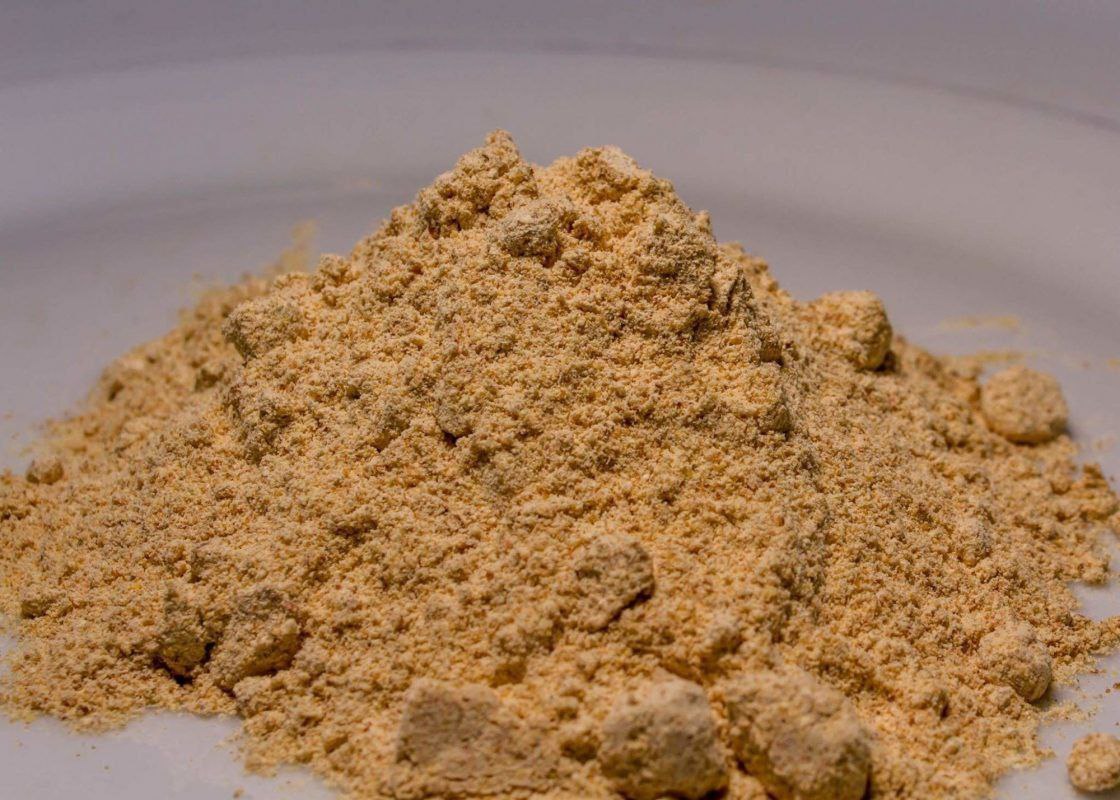

What Ibogaine Powder Does for Mental Health? Ibogaine is an alkaloid traditionally associated with the West African shrub Tabernanthe iboga. In research and clinic conversations it appears most often in relation to substance use disorders, with secondary interest in trauma, mood, and what some writers call a mental reset or cognitive reset. Ibogaine powder is one preparation form discussed online alongside total alkaloid extracts and purified ibogaine hydrochloride. None of these forms is a globally approved first-line psychiatric medicine. Understanding what ibogaine powder may do for mental health requires separating traditional use, preliminary science, serious safety issues, and law in the United Kingdom, Germany, Sweden, New Zealand, Australia, the Netherlands, Finland, and Belgium.
Why Ibogaine Draws Mental Health Attention
Ibogaine affects multiple neurotransmitter systems, including nicotinic, opioid, and serotonergic pathways. That broad activity is why researchers have explored it for addiction recovery support, especially opioid and stimulant dependence. Observational reports and small studies describe reduced withdrawal intensity and, for some people, a period of diminished craving. Public discussion extends those themes toward PTSD recovery strategies, emotional well-being, mental clarity and focus, and even informal ideas about ADHD management techniques or recovery after severe stress, including experiences framed as after-war trauma.
These extensions are largely hypothesis-generating. Controlled evidence is stronger for addiction-related questions than for ADHD, generalised anxiety, or nonspecific “brain damage” repair. Claims that ibogaine is the best natural treatment for refactoring brain damage go beyond what high-quality trials currently establish. Brain health optimization and cognitive wellness remain active research language, not guaranteed outcomes of unsupervised powder use.
Trauma, PTSD, and Emotional Processing
Some clinicians and researchers interested in psychedelic-assisted models examine whether ibogaine’s prolonged, introspective state can support trauma processing when embedded in medical and psychological care. That is different from self-administering powder at home. Trauma and PTSD care standards still prioritise evidence-based psychotherapies and, where appropriate, licensed medicines. Ibogaine-related work, where it occurs lawfully, belongs in structured settings with cardiac monitoring and emergency readiness—not in informal experiments.
Serious Safety Considerations
Ibogaine is linked to cardiac arrhythmia risk and has been associated with fatalities when used without medical screening, especially in people with electrolyte imbalance, pre-existing heart disease, or concurrent substance use. Nausea, ataxia, and prolonged psychological effects are common. Powder potency can vary. For mental health populations—depression with suicidality, psychosis vulnerability, unstable bipolar disorder—unsupervised use can be particularly dangerous.
Anyone seeking natural mental health support should treat cardiac risk as central, not secondary.
Legal and Regulatory Notes
United Kingdom: Ibogaine is controlled; unauthorised possession and supply are restricted.
Germany, Sweden, Finland, Belgium: National rules generally treat ibogaine as a controlled or unauthorised substance for general sale.
Netherlands: Activity is constrained by national law; clinic-style offerings, where discussed, operate under legal scrutiny.
Australia and New Zealand: Ibogaine is tightly restricted; medical or research use requires formal authorisation.
Legal frameworks change; current national schedules should be checked before any decision about possession or travel.
Ibogawell.com and Related Educational Context
Readers exploring iboga-related education and product-facing information often use ibogawell.com. On that site, shop iboga, services, about, contact, contact-2, and the main ibogawell.com pages organise information and offerings. The project framing at ibogawell.com states that each sale is meant to support the less privileged, homeless people, disabled persons, and countries affected by war and natural disaster. That charitable intent does not replace medical screening or legal compliance.
Additional educational context appears via Wikipedia, ukmushroom.com, buyoneupmushroombar.us, shroomrelief.com, and WorldScientificImpact.org.
Practical Guidance
For addiction, PTSD, attention difficulties, or broader emotional well-being, start with licensed clinicians and local specialist services. Interest in ibogaine powder as a research topic can be pursued through peer-reviewed literature and lawful educational resources. Self-administration for a cognitive reset or trauma processing without medical oversight carries cardiac and legal risk in the countries listed above.
Conclusion
Ibogaine powder sits at the centre of ongoing discussion about addiction recovery support, possible trauma-related applications, and informal goals such as mental clarity and focus or cognitive wellness. Preliminary findings and clinical anecdotes explain the interest. They do not establish ibogaine as approved treatment for PTSD, ADHD, or brain injury, and they do not remove documented heart-related dangers.
Information organised through ibogawell.com—including shop iboga and related service and contact pages—belongs in an educational and mission-driven context that aims to support vulnerable communities. Professional medical and mental health services remain the correct channel for assessment and care. In a crisis, contact local emergency or crisis lines immediately.