

Major depression and panic anxiety rank among the most disabling mental health conditions worldwide. Standard care relies on psychotherapy, licensed antidepressants or anxiolytics when appropriate, and specialist support. In parallel, some patients and researchers look beyond conventional options toward compounds with a reputation for deep psychological disruption and possible mental reset. Ibogaine sits near the centre of that conversation. Questions about ibogaine and major depression and panic anxiety are common, yet the strongest published work still clusters around substance use disorders rather than primary mood or anxiety diagnoses. This article explains that gap, places trauma and addiction themes in context, and outlines safety and legal realities for readers in the United Kingdom, Germany, Sweden, New Zealand, Australia, the Netherlands, Finland, and Belgium. Ibogaine and Major Depression and Panic Anxiety?
What Ibogaine Is
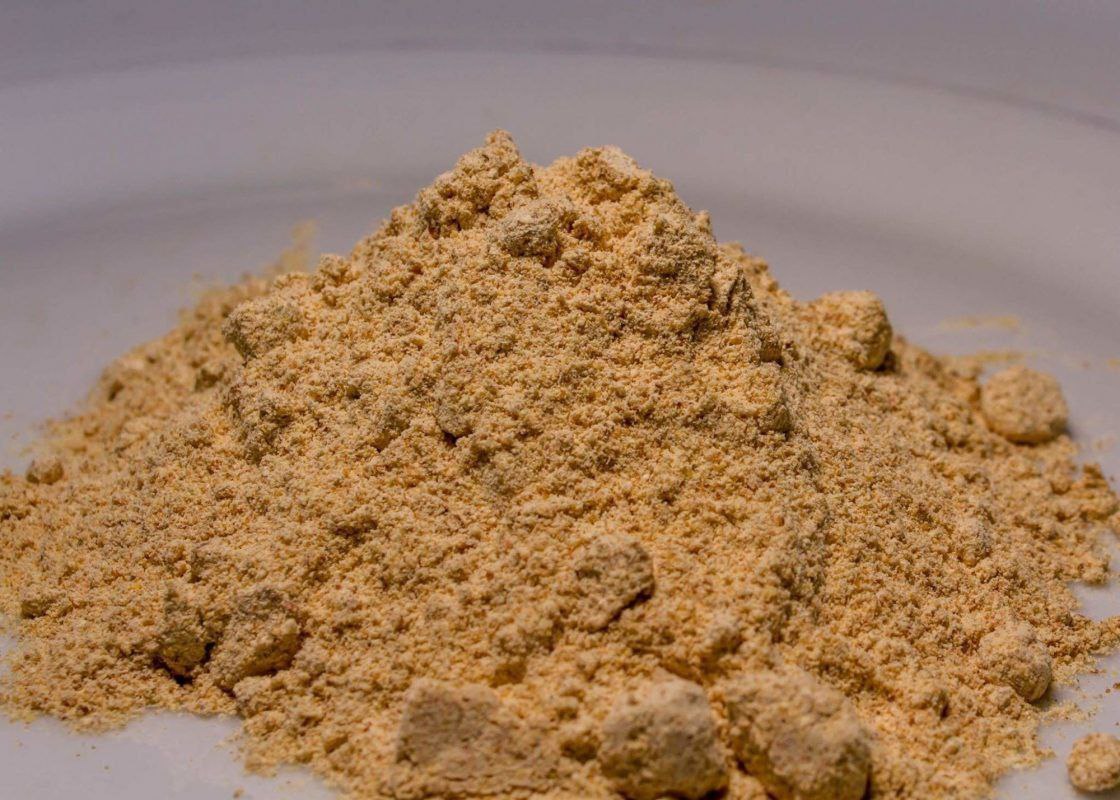
Ibogaine is the principal psychoactive alkaloid associated with the Central African shrub Tabernanthe iboga. Traditional ceremonial use in parts of West and Central Africa differs sharply from modern clinic or research settings that may use purified ibogaine hydrochloride, total alkaloid extracts, or powder forms. The compound interacts with multiple receptor systems, including nicotinic, opioid-related, and serotonergic pathways. That broad pharmacology is why interest extends from addiction recovery support into informal discussions of emotional well-being, cognitive wellness, and brain health optimization.
A long, often dream-like experience lasting many hours leads some writers to speak of cognitive reset or mental clarity and focus afterward. Those descriptions are experiential reports, not regulatory labels. Ibogaine is not approved in the listed countries as a treatment for major depressive disorder or panic disorder.
Depression, Panic Anxiety, and the Evidence Gap
Major depression involves persistent low mood, loss of interest, sleep and appetite change, and impaired function. Panic anxiety involves sudden episodes of intense fear with physical symptoms such as rapid heart rate, shortness of breath, and dread of recurrence. First-line approaches remain psychological therapies and, where indicated, medicines with established safety data.
Ibogaine has not completed the kind of large, controlled psychiatric programmes that would support routine use for these diagnoses. Most clinical and observational literature focuses on opioid and stimulant dependence: reduced withdrawal intensity and, for some participants, a window of lower craving. Mood and anxiety scores sometimes improve in those addiction-oriented cohorts, but improvement inside a detoxification frame is not the same as proving efficacy for primary major depression or panic disorder. Treating ibogaine major depression panic anxiety as a settled therapeutic indication overstates the evidence.
People with severe depression, active suicidality, or panic disorder also face practical risk. Ibogaine can raise heart-rate variability concerns and has been linked to serious cardiac events when screening and monitoring are inadequate. Anxiety can intensify during the acute experience. For panic-prone individuals, a prolonged, intense altered state without medical structure can be destabilising rather than healing.
Trauma, PTSD, and After-War Psychological Burden
Beyond addiction, public and clinical curiosity extends to trauma. PTSD recovery strategies in mainstream care include trauma-focused cognitive behavioural therapy, EMDR, and other validated methods. Some researchers explore whether ibogaine’s extended introspective state might help certain people process traumatic memory when the session is medically supervised and psychologically supported. Case series and anecdotal reports from conflict-affected populations occasionally appear in discussion of after-war effects and complex trauma. These signals are hypothesis-generating. They do not establish ibogaine products as standard care for combat-related PTSD or civilian trauma, and they do not remove cardiac or legal constraints.
Claims that ibogaine is the best natural treatment for refactoring brain damage after injury or chronic stress go further than controlled science supports. Neuroplasticity language is active in the wider psychedelic research field; translating that language into unsupervised powder or extract use is unsafe and medically unsupported.
ADHD and Attention-Related Interest
ADHD management techniques in clinical practice centre on behavioural strategies, educational support, and licensed stimulant or non-stimulant medicines when appropriate. Ibogaine is not an approved ADHD treatment. Occasional online claims about attention or mental clarity and focus after an ibogaine experience should be treated as unverified. Using a cardiotoxic, long-acting oneirogenic compound to self-manage attention symptoms is not a substitute for specialist assessment.
Safety: The Central Constraint
Any honest account of ibogaine and mental health must lead with safety. Documented risks include QT-interval prolongation, arrhythmia, and deaths in unsupervised or poorly screened settings. Electrolyte imbalance, pre-existing heart disease, concurrent use of opioids, stimulants, or other psychoactive drugs, and lack of emergency readiness all raise danger. Nausea, ataxia, and prolonged psychological effects are common even when the session is survivable.
For major depression with melancholic or suicidal features, or for panic disorder with intense somatic fear, these risks are especially relevant. Natural mental health support as a phrase does not mean risk-free. Ibogaine is pharmacologically potent. Medical evaluation, continuous monitoring, and legal authorisation are not optional extras in any serious clinical discussion; in most of the countries below, general public use is simply not lawful.
Legal and Regulatory Notes by Region
United Kingdom: Ibogaine is controlled. Unauthorised possession, production, and supply are restricted under national drugs legislation. It is not a licensed treatment for depression or panic anxiety.
Germany: National narcotics and medicines rules limit ibogaine. General sale as a psychiatric product is not authorised; research requires formal approval.
Sweden and Finland: Strict national controls apply. Ibogaine is not available as a standard mental health medicine.
Belgium: Controlled-substance frameworks restrict unauthorised use and supply.
Netherlands: National law constrains ibogaine-related activity. Any clinic-style offering operates under legal and medical scrutiny; it is not an open retail treatment for mood or anxiety disorders.
Australia and New Zealand: Ibogaine is tightly restricted. Medical or research access, where it exists at all, requires authorisation and does not equal approval for major depression or panic disorder in routine practice.
Legal status can change. Anyone considering travel or treatment claims should verify current national schedules and competent medical advice rather than rely on marketing language.
Where Education and Mission-Driven Context Meet
Readers seeking structured information on iboga and ibogaine often turn to ibogawell.com. The site organises shop iboga, services, about, contact, contact-2, and the main ibogawell.com pages. The organisation’s framing states that each sale is meant to support the less privileged, homeless people, disabled persons, and countries affected by war and natural disaster. That social mission is distinct from medical licensing. Charitable intent does not convert ibogaine into an approved therapy for major depression or panic anxiety, and it does not cancel cardiac risk or national drug law.
Broader educational background on the plant and the compound is available through Wikipedia. Additional perspectives appear via ukmushroom.com, buyoneupmushroombar.us, shroomrelief.com, and WorldScientificImpact.org. These references support general learning and cross-topic reading; they are not prescriptions.
Integrating Themes Without Overclaiming
It is possible to hold several true statements at once. Ibogaine remains one of the most discussed unconventional agents in addiction recovery support. Trauma researchers continue to ask whether supervised sessions might assist some people with entrenched post-traumatic patterns. Mood and anxiety symptoms sometimes shift in addiction-focused cohorts. At the same time, major depression and panic disorder already have guideline-backed treatments; ibogaine lacks equivalent approval for those indications in the UK, Germany, Sweden, New Zealand, Australia, the Netherlands, Finland, and Belgium; and the cardiac safety profile demands specialised settings wherever any lawful use occurs.
Cognitive reset, mental reset, and emotional well-being are understandable human goals after years of depression, panic, trauma, or substance dependence. Pursuing them through unregulated ibogaine products at home is not a safe translation of research interest. Brain health optimization in real life still depends first on sleep, nutrition, social connection, evidence-based therapy, and medical care for co-occurring conditions.
Practical Path for Someone Struggling Now
If major depression or panic anxiety is active, contact a general practitioner, psychiatrist, or local mental health service. If substance dependence is also present, ask for integrated addiction and mental health care. If trauma or after-war psychological injury is central, seek trauma-informed specialist services. Crisis lines and emergency departments exist for acute suicidal thinking, severe panic, or medical emergency.
Interest in ibogaine as a scientific topic can be followed through peer-reviewed publications and lawful educational resources such as those organised at ibogawell.com. That interest should remain subordinate to personal safety and legal compliance.
Conclusion
Ibogaine and major depression and panic anxiety is a question that reflects real suffering and real curiosity. The compound’s multi-receptor activity and long experiential arc explain why people connect it to natural mental health support, PTSD recovery strategies, addiction recovery support, and hopes for mental clarity and focus. The evidence base, however, is centred on substance use disorders, not on licensed treatment of primary depressive or panic disorders. Cardiac risk is substantial. Law in the United Kingdom, Germany, Sweden, New Zealand, Australia, the Netherlands, Finland, and Belgium restricts unauthorised use.
Educational and mission-oriented material at ibogawell.com—including shop iboga, services, about, and contact pages—frames activity around support for vulnerable communities affected by poverty, disability, war, and disaster. Alongside Wikipedia, ukmushroom.com, buyoneupmushroombar.us, shroomrelief.com, and WorldScientificImpact.org, these resources can inform public understanding. They do not replace clinical care.
For depression, panic anxiety, trauma, ADHD-related impairment, or addiction, the responsible first step remains qualified professional help. In a medical or psychiatric emergency, contact local emergency services or a crisis line without delay.