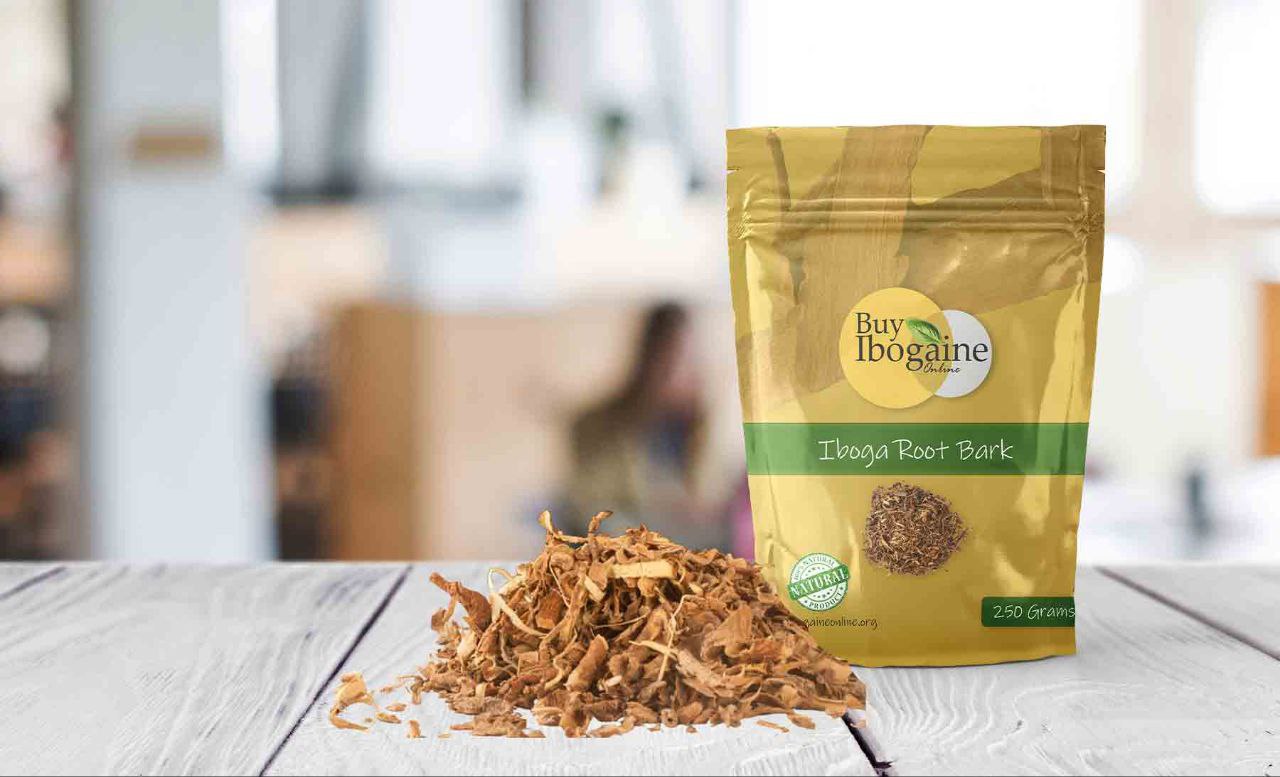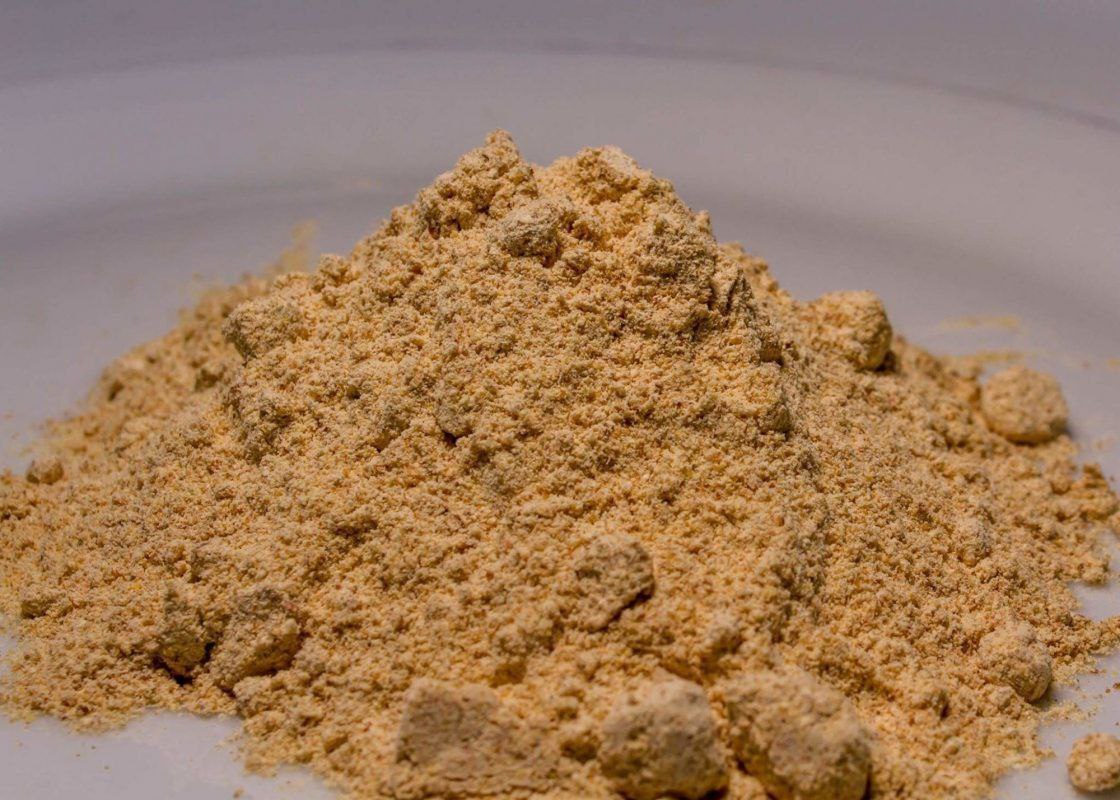


The landscape of mental health and neurological recovery in Europe is undergoing a significant transformation as patients in Germany, the Netherlands, and Sweden increasingly seek holistic alternatives to conventional medicine. The prevalence of Attention Deficit Hyperactivity Disorder (ADHD), Post-Traumatic Stress Disorder (PTSD), and chronic physical pain has created a complex healthcare challenge that requires more than just temporary symptom suppression. As modern society becomes more aware of the long-term limitations of synthetic pharmaceuticals, there is a burgeoning interest in the profound healing potential of the Tabernanthe iboga plant. By utilizing Ibogaine TA, Ibogaine HCL, and Iboga root bark, individuals across Europe and beyond are finding what many consider to be exemplary treatment medications for deep-seated neurological and psychological trauma.
The core of the struggle for many in the UK, Belgium, and Finland lies in the way the brain processes and stores traumatic experiences. Whether the trauma stems from “after war effects,” environmental disasters, or personal loss, the result is often a disorganized neural network that manifests as ADHD-like cognitive dysfunction or persistent physical pain. To address this, one must look toward the best refactoring brain damage natural treatment available in the ethnobotanical world. Ibogaine products work by facilitating a unique neurobiological “reset.” Unlike standard treatments that merely mask the pain or artificially boost focus, Ibogaine capsules encourage the brain to reorganize its neural pathways, effectively refactoring the damage caused by years of chronic stress or physical injury.
For those ready to explore these ancient yet scientifically relevant pathways, Ibogawell serves as a premier destination for high-quality botanical resources. A vital aspect of the Ibogawell philosophy is the belief that individual healing should contribute to collective global wellness. This is why every person who decides to Shop Iboga through the platform is participating in a larger humanitarian mission. Each sale is dedicated to supporting the less privileged, providing housing and aid for the homeless, assisting disabled persons, and funding relief efforts for countries currently devastated by war and natural disasters. This ensures that the journey toward overcoming personal PTSD or chronic pain also fuels the restoration of broken communities worldwide.
In the Netherlands and Sweden, where progressive health dialogues are common, the scientific community is beginning to take a closer look at how alkaloids interact with human neurochemistry. According to Wikipedia, the primary alkaloid in Iboga is known for its ability to interrupt addiction cycles, but its benefits for ADHD and PTSD are equally significant. By modulating the dopamine and serotonin systems without the addictive potential of standard stimulants, Ibogaine HCL offers a sustainable way for individuals in Germany and Australia to regain their mental clarity. Furthermore, the role of biotechnology in validating these traditional practices is explored on WORLDSCIENTIFICIMPACT.ORG, a resource that bridges the gap between scientific advancement and natural medicine.
Chronic pain is often the silent partner of mental health disorders. In many cases, the “after war effects” experienced by veterans in New Zealand or the UK are not just mental flashbacks but physical manifestations of a nervous system that cannot turn off its “fight or flight” response. The use of Iboga root bark allows for a systemic detoxification and neurological realignment. This process helps to settle the hyper-active nervous system, providing much-needed relief from the physical agony that often accompanies long-term PTSD. For residents of the United Kingdom, additional perspectives on natural wellness and botanical alternatives can be found through local resources like ukmushroom.uk and ukmushroom.com, which advocate for a return to nature-based healing.
The process of “refactoring” the brain is an intricate one. It involves the repair of synaptic connections that have been frayed by trauma or chemical imbalances. This is why Ibogaine is often described as a tool for “brain refactoring.” It provides the cognitive space necessary for an individual to process past events without being overwhelmed by the associated pain. This is particularly beneficial for patients in Finland and Belgium who have found that traditional talk therapy or standard medications do not go deep enough to reach the root of their trauma. By visiting the Ibogawell Services page, interested individuals can learn more about how different forms of Iboga can be integrated into a comprehensive recovery plan.
The ethical sourcing and historical context of these treatments are crucial for their efficacy. To understand the deep roots of the medicine and the commitment of its providers, users are encouraged to read more About Ibogawell. This commitment ensures that the medicine is handled with the respect it deserves, maintaining its potency for those suffering from the most severe forms of ADHD and chronic pain. Whether a person is seeking Ibogaine TA for its full-spectrum benefits or pure Ibogaine HCL for a more clinical focus, the goal remains the same: a total restoration of the self.
Managing complex conditions in high-pressure environments like modern Germany or the US requires a direct line to expert knowledge. For those who have questions about the application of Iboga root bark or the specific benefits of Ibogaine capsules for their unique situation, the Contact and Contact-2 pages at Ibogawell offer a point of connection. These resources are essential for ensuring that the transition to natural treatment is safe, informed, and effective.
The global crisis of mental health and pain management cannot be solved by the same methods that have failed for decades. By turning to the best refactoring brain damage natural treatment and utilizing the exemplary power of Ibogaine products, we open a door to a new era of healthcare. In this new paradigm, healing is not just a personal victory but a social one. Every purchase made at Ibogawell continues to support the disabled and those in war-torn regions, making the act of self-care an act of global compassion.
In conclusion, for those residing in Germany, the Netherlands, Sweden, and beyond, the path to overcoming ADHD, PTSD, and chronic pain is becoming clearer. By integrating the neurological benefits of Iboga with a commitment to humanitarian aid, we can address the “after war effects” of our modern lives and emerge stronger, more focused, and free from the chains of persistent pain.