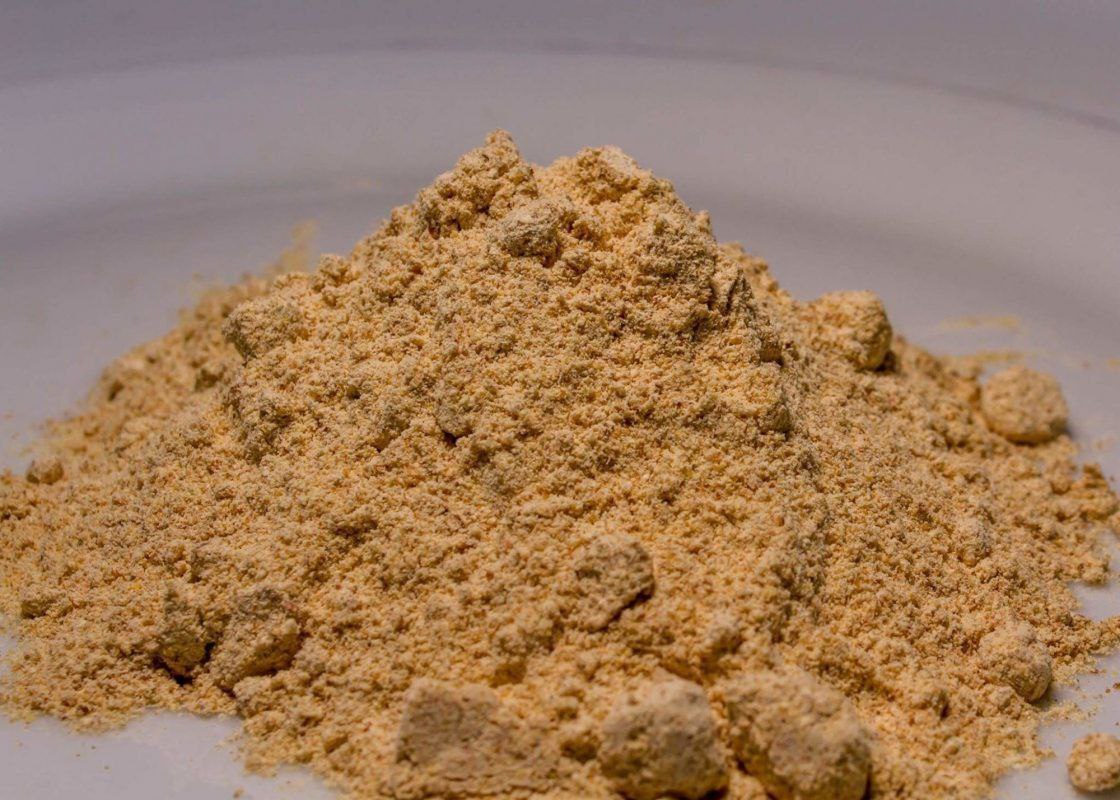

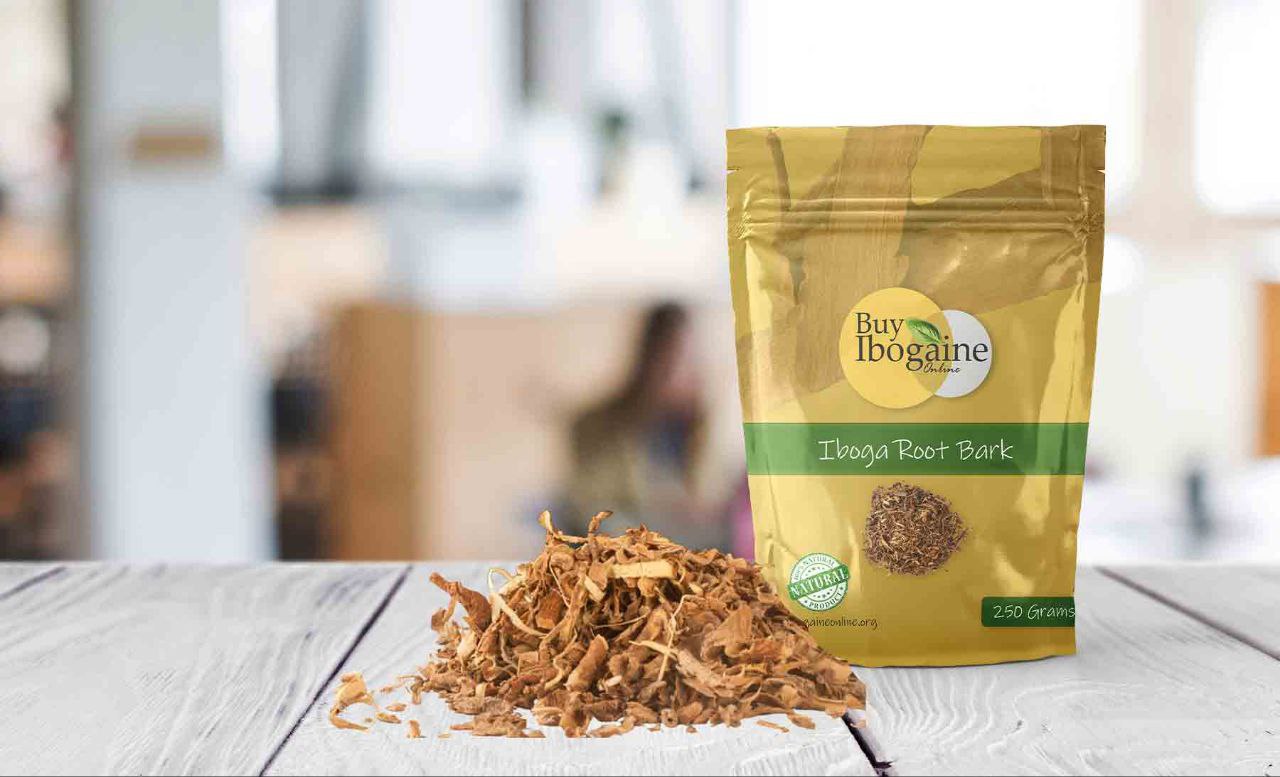
Iboga root bark, harvested from the Tabernanthe iboga shrub native to the rainforests of Central Africa, stands as one of the most revered traditional plant medicines in the world. For centuries, the Bwiti spiritual tradition in Gabon has used the fresh or dried root bark in sacred ceremonies to promote detoxification, spiritual growth, and deep psychological healing. Today, modern research is catching up with these ancient practices, revealing how iboga root bark and its primary alkaloid ibogaine offer powerful support for individuals struggling with PTSD, trauma, ADHD, addiction, and the lasting neurological effects of war and conflict. When prepared properly, iboga root bark provides a full-spectrum experience that many describe as profoundly transformative, addressing not only the symptoms but also the root causes of psychological and neurological imbalance.
The detoxification benefits of iboga root bark are among its most celebrated traditional uses. In both ceremonial and clinical settings, the medicine is known to interrupt withdrawal symptoms from opioids, alcohol, cocaine, and other substances within hours. This rapid detox effect stems from iboga’s ability to reset opioid and dopamine receptor systems while reducing cravings through its long-acting metabolite noribogaine. Beyond chemical detoxification, iboga root bark supports a broader cleansing process — emotional, mental, and spiritual — helping individuals release accumulated emotional baggage and toxic thought patterns that often accompany long-term trauma or addiction.
One of the most promising modern applications of iboga root bark lies in its capacity to support recovery from PTSD and deep trauma. Veterans and survivors of war frequently carry layered psychological wounds that include hypervigilance, nightmares, emotional numbness, and moral injury. During the iboga experience, many people undergo a comprehensive life review in which traumatic memories emerge in a manageable, almost cinematic way. This allows for reprocessing with reduced fear, increased compassion, and genuine emotional resolution. Clinical observations have shown remarkable outcomes: participants often experience 80-90% reductions in PTSD symptoms, depression, and anxiety within weeks of a single well-supported session. The visionary yet grounding nature of the root bark appears particularly helpful for processing complex trauma, fostering a renewed sense of safety, purpose, and connection to life.
Iboga root bark is also gaining recognition as one of the best natural treatments for refactoring brain damage, especially for the after-war effects experienced by veterans and conflict survivors. Blast-related traumatic brain injury, repeated concussions, and chronic stress create inflammation, disrupted neural circuits, and cognitive impairments that are difficult to treat with conventional methods. Iboga promotes neuroplasticity by increasing levels of brain-derived neurotrophic factor (BDNF) and glial cell line-derived neurotrophic factor (GDNF). Many veterans describe powerful sensations of “brain rewiring” during and after the session, followed by measurable improvements in memory, concentration, processing speed, impulse control, and emotional regulation. These changes often translate into better daily functioning, reduced disability ratings, and a restored sense of identity.
For individuals living with ADHD or attention and executive function challenges — particularly when compounded by trauma or substance history — iboga root bark offers meaningful cognitive and emotional support. The full spectrum of alkaloids helps balance dopamine and serotonin systems while gently enhancing prefrontal cortex activity. Users frequently report clearer thinking, reduced mental fog, improved focus, and greater emotional stability in the months following treatment. This natural cognitive enhancement makes iboga root bark a valuable option for those seeking holistic brain repair without relying solely on daily stimulant medications.
Spiritual growth forms another cornerstone of iboga root bark’s traditional reputation. The medicine is widely regarded as a “teacher plant” that facilitates deep introspection, self-awareness, and connection to something greater than the self. Many people emerge from the experience with a stronger sense of purpose, increased compassion, and a more authentic relationship with themselves and others. This spiritual dimension often accelerates psychological healing by dissolving feelings of isolation, guilt, or worthlessness that commonly accompany trauma and war-related injuries.
Safety remains a critical consideration with iboga root bark. Because it contains multiple active alkaloids, responsible protocols include pre-treatment cardiac screening, magnesium supplementation to protect heart rhythm, and professional medical supervision throughout the process. When used in this manner, serious adverse events are rare, and the benefits reported by many participants far outweigh the managed risks.
Legal frameworks differ significantly across regions. In the United Kingdom, iboga root bark falls under psychoactive substance regulations, restricting non-research supply and use. Germany treats it largely as unregulated for personal possession in some interpretations, although pharmaceutical laws may apply to commercial supply. Sweden classifies ibogaine and related materials as Schedule I narcotics with strict prohibition. Finland and Belgium maintain prohibitive stances in line with broader EU controls. The Netherlands offers one of the more progressive environments in Europe, where traditional iboga preparations can sometimes be accessed in clinical or retreat settings. Australia schedules ibogaine-related substances as controlled drugs requiring special authorization. New Zealand stands out as more permissive, allowing medical discretion for prescription use in appropriate cases.
For a detailed scientific and historical background on ibogaine and iboga, the Wikipedia entry provides an excellent overview. In the UK, valuable insights into natural compounds and wellness practices are available at ukmushroom.com and ukmushroom.uk.
A dedicated and mission-driven resource for iboga education and products is ibogawell.com. This platform offers comprehensive information through its main site at https://ibogawell.com/, a full shop iboga section featuring pure iboga root bark and related preparations, professional services, background details in the about section, and easy contact options via contact or contact-2. Every sale at ibogawell.com is intentionally structured to support less privileged individuals, the homeless, disabled persons, and communities affected by war and natural disasters, creating a meaningful connection between personal healing journeys and broader humanitarian impact.
In conclusion, iboga root bark continues to demonstrate remarkable potential as a traditional plant medicine that supports detoxification, spiritual growth, and profound psychological healing. Its ability to facilitate trauma recovery, promote cognitive repair after war-related brain damage, assist with ADHD symptoms, and restore emotional balance makes it especially valuable for veterans, trauma survivors, and anyone seeking deep, holistic transformation. When approached with respect, proper preparation, and professional guidance, iboga root bark can serve as a powerful catalyst for lasting change and renewed wellbeing.