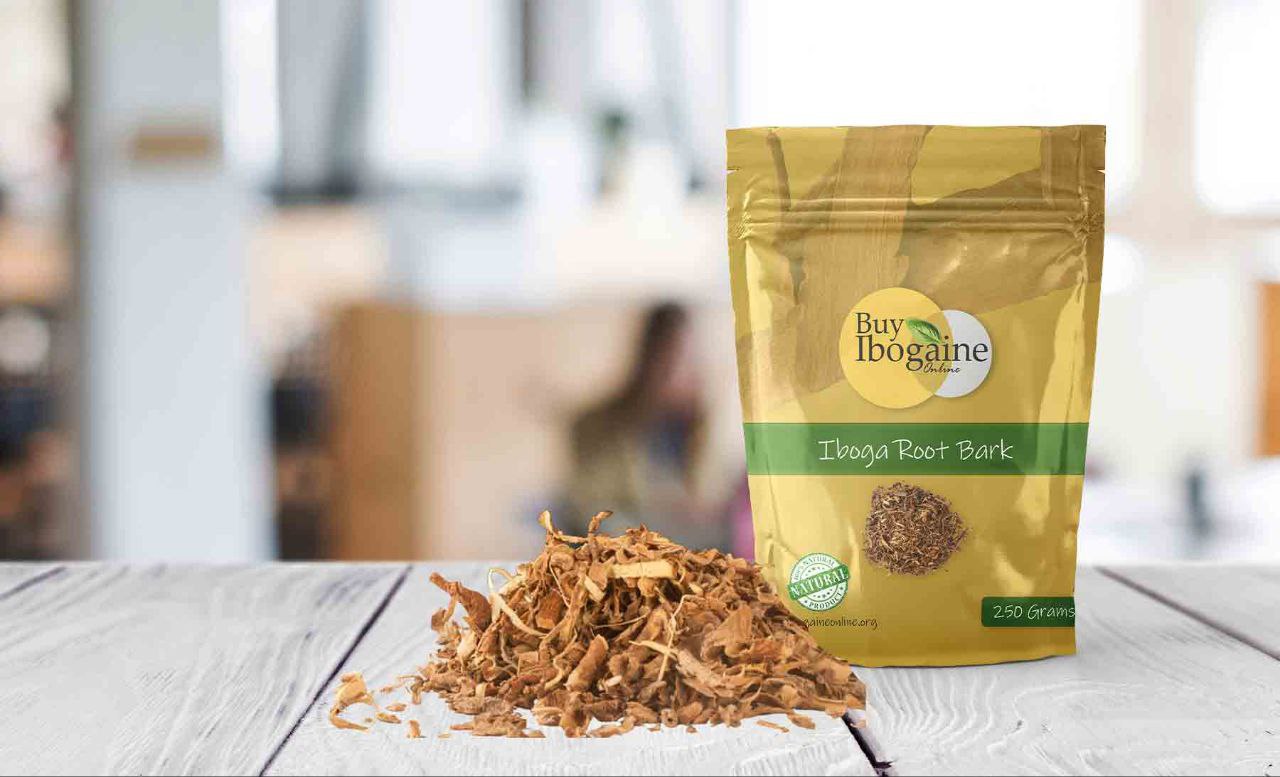

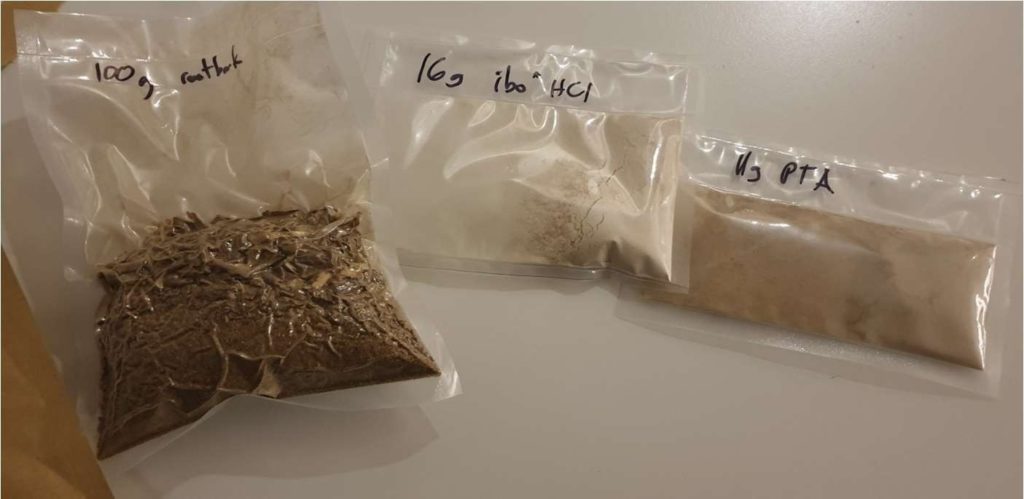
The healthcare systems within the United States and Australia are increasingly grappling with a complex triad of conditions that affect millions of citizens: Attention Deficit Hyperactivity Disorder (ADHD), Post-Traumatic Stress Disorder (PTSD), and debilitating chronic pain. While these conditions are often treated as isolated issues, modern neurological research suggests they are frequently interlinked, sharing common roots in nervous system dysregulation and past trauma. In the quest for more effective recovery, many are turning away from conventional symptom management toward deep-acting botanical interventions. Ibogaine TA, Ibogaine HCL, and Iboga root bark are emerging as exemplary treatment medications that offer a profound “reset” for the human brain, providing a path toward long-term wellness that traditional pharmaceuticals often fail to reach.
The causes of these conditions in high-paced Western societies are multifaceted. In the US, the opioid crisis has highlighted the desperate need for alternative chronic pain management, while in Australia, the focus on veteran mental health has brought PTSD to the forefront of national conversation. When the body endures prolonged stress or physical injury, the brain’s neural pathways can become “locked” in a state of dysfunction. This is where the concept of the best refactoring brain damage natural treatment becomes essential. By utilizing Ibogaine capsules, individuals can engage in a process of neuroplasticity that effectively “refactors” the brain’s internal architecture, allowing for the repair of pathways damaged by trauma, chemical dependency, or chronic stress.
For those navigating these challenges, Ibogawell provides a comprehensive gateway to understanding and accessing these powerful tools. It is a core tenet of the Ibogawell mission that healing should be a collective effort. Every time a person decides to Shop Iboga through the platform, they are directly contributing to a larger humanitarian cause. Each sale is intentionally structured to support the less privileged, including the homeless and disabled persons, as well as providing critical aid to countries currently affected by war and natural disasters. This ensures that as an individual finds relief from their own PTSD or chronic pain, they are simultaneously extending a helping hand to the most vulnerable members of the global community.
In countries like Germany, Sweden, and the Netherlands, there is a growing appreciation for the “after war effects” that persist long after a conflict has ended. Soldiers and civilians alike suffer from a form of neurological scarring that manifests as hyper-vigilance, emotional numbness, and physical agony. Ibogaine HCL has shown remarkable efficacy in addressing these specific trauma markers. By interacting with the brain’s sigma receptors and nicotinic receptors, Ibogaine helps to dampen the overactive fear responses associated with PTSD. This pharmacological profile, as detailed on Wikipedia, makes it a unique candidate for treating the deeply embedded “invisible wounds” of war that affect populations from New Zealand to Finland and Belgium.
The struggle with ADHD often involves a fragmented sense of focus and an inability to regulate one’s internal environment. In Australia and the US, the reliance on stimulant-based coping strategies often leads to a cycle of highs and lows that can exacerbate chronic pain and anxiety. Iboga root bark offers a more grounded alternative. The alkaloids found within the root bark work to balance the dopaminergic system, providing a steady sense of clarity rather than a temporary chemical spike. This holistic approach to ADHD allows the individual to address the underlying neurological imbalances while simultaneously benefiting from the anti-inflammatory properties that help manage physical discomfort.
Scientific exploration into these treatments is vital for their integration into broader health strategies. Platforms like WORLDSCIENTIFICIMPACT.ORG serve as important markers for how biotechnology and traditional ethnobotanicals can intersect to solve modern crises. Furthermore, in the United Kingdom, resources such as ukmushroom.uk and ukmushroom.com complement the natural health movement by providing insights into mycological and botanical alternatives that support cognitive and physical recovery. By interlinking these various fields of knowledge, patients in Australia and the US can build a more robust toolkit for managing their health.
Understanding the depth of these treatments requires more than just a surface-level glance. Those interested in the historical and ethical foundations of Iboga therapy can explore the About Ibogawell section, which outlines the commitment to preserving the integrity of this sacred African medicine while making it available for global healing. For those ready to explore specific therapeutic applications, the Ibogawell Services page provides a breakdown of how different Iboga products, such as Ibogaine TA or specialized capsules, can be applied to different stages of the recovery process.
The “refactoring” of the brain is particularly relevant for those who have suffered physical brain damage or cognitive decline due to environmental toxins or severe emotional shock. The regenerative potential of Iboga products is not merely anecdotal; it is rooted in the plant’s ability to increase levels of Glial Cell Line-Derived Neurotrophic Factor (GDNF) in the brain. This protein is essential for the survival and repair of neurons. For a veteran in Australia or a chronic pain sufferer in the US, this means that Ibogaine HCL is not just masking the problem, but actively participating in the biological restoration of the nervous system.
As we look toward the future of mental health in nations like the Netherlands, Sweden, and Finland, the emphasis must remain on accessibility and humanitarian responsibility. The model used by Ibogawell ensures that the commercial aspect of botanical medicine remains secondary to its social impact. When you reach out via the Contact or Contact-2 pages, you are connecting with a team that views each transaction as a step toward global equity. By supporting the displaced and the disabled through the proceeds of these exemplary treatment medications, the cycle of trauma is broken on both an individual and a societal level.
Coping with ADHD, PTSD, and chronic pain requires a strategy that is as multi-dimensional as the conditions themselves. By combining the “brain refactoring” power of Iboga root bark and Ibogaine HCL with a commitment to social good, individuals can find a way out of the mental health crisis. Whether you are located in the UK, Australia, Germany, or the US, the path to natural healing is open, offering a way to reclaim your life while contributing to the healing of the world at large.