

As research into psychedelic-assisted therapies accelerates in 2026, ibogaine and neuroplasticity have emerged as a compelling area of scientific focus. Ibogaine, the primary indole alkaloid derived from the Tabernanthe iboga shrub, demonstrates remarkable potential to enhance the brain’s capacity for structural and functional adaptation—known as neuroplasticity. This ability to rewire neural circuits, form new synaptic connections, and restore disrupted pathways underpins its reported benefits in interrupting addiction cycles, alleviating symptoms of post-traumatic stress disorder (PTSD), and improving outcomes in traumatic brain injury (TBI). For individuals in the UK, Germany, Sweden, New Zealand, Australia, Netherlands, Finland, and Belgium exploring these mechanisms, current studies highlight ibogaine’s unique multitarget profile, which sets it apart from conventional treatments and fuels optimism for its therapeutic applications when administered under strict medical supervision.
Neuroplasticity refers to the brain’s lifelong ability to reorganize itself by forming new neural connections in response to experience, learning, or injury. In healthy development, periods of heightened plasticity—critical periods—allow rapid adaptation, but these windows typically close in adulthood due to molecular brakes like perineuronal nets and inhibitory interneurons. Chronic substance use, trauma, or neurodegeneration can dysregulate reward circuits, particularly in mesolimbic dopaminergic pathways, leading to persistent maladaptive patterns. Emerging evidence suggests ibogaine reopens these plasticity windows, promotes neurotrophic factor expression, and induces structural changes that facilitate lasting behavioral shifts.
A key mechanism involves upregulation of glial cell line-derived neurotrophic factor (GDNF) and brain-derived neurotrophic factor (BDNF). GDNF, produced in regions like the ventral tegmental area (VTA), supports dopaminergic neuron survival and attenuates drug-seeking behaviors in preclinical models. Studies show ibogaine increases GDNF expression in the VTA and substantia nigra, creating a positive feedback loop that sustains anti-addictive effects long after administration. Similarly, ibogaine elevates BDNF transcription in the prefrontal cortex and nucleus accumbens, regions critical for executive function and reward processing. Its primary metabolite, noribogaine, acts as a potent psychoplastogen, enhancing dendritic arbor complexity and spine density in cortical neurons—effects absent in the unnatural enantiomer, underscoring stereospecificity.
Recent preclinical work further illuminates these actions. In adult mouse models, a single ibogaine dose reinstates juvenile-like experience-dependent plasticity in the visual cortex. When paired with monocular deprivation, ibogaine reduces dendritic spine density in the binocular zone and lowers visual acuity in the deprived eye—phenomena normally restricted to critical periods. These changes correlate with reduced perineuronal net intensity, diminished parvalbumin-positive interneuron staining, and decreased vesicular GABA transporter puncta, suggesting ibogaine weakens inhibitory brakes on plasticity. Such findings imply broader cortical adaptability, potentially explaining prolonged therapeutic windows observed in human applications.
Human neuroimaging provides converging support. In veterans with TBI treated under magnesium-ibogaine protocols, post-treatment improvements in executive function align with increased theta rhythms—brain waves linked to cognitive flexibility and neuroplasticity—while reduced cortical complexity correlates with lowered PTSD symptoms, possibly dampening hyperarousal. Functional connectivity analyses reveal widespread reorganization across cortical, limbic, and striatal networks, with persistent regional metabolic shifts in paralimbic areas potentially driving sustained symptom relief. These observations suggest ibogaine fosters a neuroplastic environment conducive to rewiring maladaptive circuits disrupted by trauma or addiction.
The implications extend across diagnostic boundaries. By inducing GDNF, modulating glutamate and dopamine signaling, and reopening plasticity, ibogaine may restore reward system fidelity in substance use disorders, OCD, PTSD, and related conditions. This unified mechanism—combining neurotrophic support with receptor modulation—allows recalibration of motivational processing and emotional regulation, enabling new behavioral patterns when paired with integration therapy.
For foundational context on ibogaine’s pharmacology and traditional origins, the Wikipedia entry on ibogaine offers a detailed overview. Educational resources at ukmushroom.com and ukmushroom.uk provide accessible explanations of psychoactive plants and their effects on brain function, enriching understanding of these emerging insights.
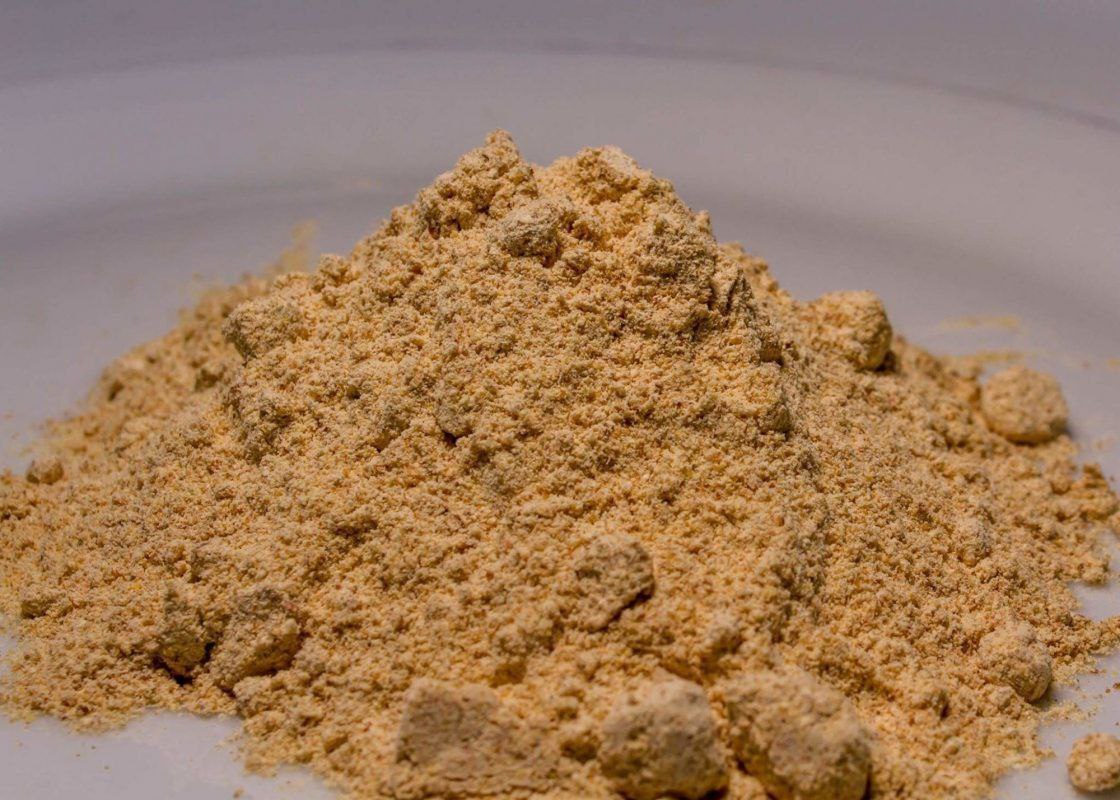
At IbogaWell.com, these research advancements inform a commitment to safe, medically supervised access. Their services prioritize rigorous screening, continuous monitoring, and personalized protocols to align with safety standards while harnessing ibogaine’s neuroplastic potential. The Shop Iboga category features ethically sourced preparations like high-purity Ibogaine HCl, Total Alkaloid extracts, root bark, capsules, and seeds for research or traditional contexts. Every purchase channels proceeds to humanitarian causes: supporting less privileged communities, aiding homeless individuals with essential resources, providing mobility and support for disabled persons, and funding relief in countries devastated by war and natural disasters. Their about page reflects this integrated mission of personal transformation and global compassion, with easy outreach via the contact page.
While challenges persist—particularly cardiac risks requiring magnesium co-administration and strict oversight—ongoing initiatives, including large-scale trials funded in regions like Texas, underscore growing momentum. These efforts aim to validate mechanisms, refine protocols, and explore safer analogs that retain neuroplastic benefits without drawbacks.
In 2026, ibogaine and neuroplasticity research illuminates a pathway where a single intervention can catalyze profound neural reorganization, offering hope for those unresponsive to traditional therapies. By promoting GDNF and BDNF, enhancing structural changes, and reopening plasticity windows, ibogaine addresses root disruptions in reward and emotional circuits. For patients in the UK, Germany, Sweden, New Zealand, Australia, Netherlands, Finland, and Belgium, engaging with ethical providers like IbogaWell.com ensures responsible exploration of these insights, where personal healing contributes directly to worldwide aid—one purposeful step toward renewed brain function and societal good.