
The period following an ibogaine session, often referred to as ibogaine recovery, marks a critical transition where the body and mind begin to stabilize after the intense psychoactive experience while harnessing the therapeutic momentum created by the treatment. In medically supervised settings, this phase emphasizes continuous monitoring to ensure physical safety, gradual stabilization of vital functions and withdrawal symptoms, and structured integration care to process insights and build sustainable change. For individuals in the UK, Germany, Sweden, New Zealand, Australia, Netherlands, Finland, and Belgium who have undergone or are considering ibogaine therapy for addiction, PTSD, or related conditions, knowing what to anticipate helps set realistic expectations and maximizes long-term benefits.
Immediately after the acute visionary and introspective phases subside—typically 24 to 36 hours post-flood dose—patients enter the initial recovery window under close observation. Medical staff maintain continuous monitoring of vital signs, including heart rate, blood pressure, oxygen saturation, and periodic electrocardiograms (ECG) to confirm resolution of any QT interval prolongation induced by ibogaine or its metabolite noribogaine. This vigilance addresses potential lingering cardiac effects, such as mild bradycardia or hypotension, which usually normalize with rest, hydration, and supportive interventions like electrolyte replenishment. Nausea, ataxia, tremors, or fatigue from the preceding hours may persist briefly, but in supervised environments, these are managed promptly with antiemetics, nutritional support, and gentle physical assistance to prevent falls or discomfort.
Many describe the first full day after the main effects as the “gray day”—a phase of emotional flatness, profound exhaustion, and physical depletion where energy levels plummet and motivation feels low. This temporary state arises from the brain’s recalibration of serotonin, dopamine, and other neurotransmitters disrupted by chronic substance use or trauma. Sleep often remains elusive due to residual stimulation, yet the absence of acute withdrawal symptoms provides a striking contrast—cravings diminish rapidly, and physical discomfort from opioid or other dependence typically vanishes or becomes negligible. Patients rest extensively in a calm setting, with staff offering light meals, hydration, and reassurance to navigate this low-energy period productively rather than distressingly.
As the gray day transitions into subsequent days—usually days 2 through 5—stabilization advances noticeably. Physical energy begins to return, though gradually, allowing short walks, basic self-care, and increased interaction. Noribogaine, ibogaine’s long-acting metabolite, continues circulating for weeks to months, contributing to sustained mood elevation, reduced post-acute withdrawal syndrome (PAWS) symptoms like irritability or anhedonia, and a subtle anti-depressant-like effect. This biochemical persistence supports early emotional clarity and reduced compulsive urges, creating a foundation for deeper psychological work. In supervised programs, daily check-ins track progress, with adjustments to support protocols as needed—perhaps incorporating gentle movement, nutritional optimization, or brief mindfulness practices to aid somatic settling.
Integration care forms the cornerstone of effective ibogaine recovery, transforming fleeting insights from the session into enduring behavioral and lifestyle shifts. This phase leverages a heightened window of neuroplasticity—often lasting 60 to 90 days or longer—where elevated GDNF and BDNF levels facilitate rewiring of reward pathways, emotional regulation circuits, and trauma responses. Structured support includes one-on-one debriefing sessions to articulate visions, life reviews, and newfound perspectives; guided journaling or creative expression to process emotions; and planning for relapse prevention through identification of triggers and development of coping strategies. Many benefit from complementary therapies like cognitive-behavioral approaches, trauma-focused counseling, or peer support to reinforce changes and prevent reversion to old patterns.
Longer-term recovery extends beyond the immediate post-treatment weeks, with follow-up extending months as patients rebuild routines, relationships, and purpose. Some experience lingering benefits like improved executive function, sustained craving reduction, or diminished PTSD hyperarousal, while others require booster considerations or ongoing professional guidance to maintain momentum. Lifestyle elements—consistent sleep, balanced nutrition, exercise, stress management, and avoidance of substances that could reactivate vulnerabilities—play vital roles in sustaining gains.
For foundational knowledge on ibogaine’s effects and traditional context, the Wikipedia entry on ibogaine provides a comprehensive summary. Educational platforms at ukmushroom.com and ukmushroom.uk offer accessible explanations of psychoactive compounds like iboga, helping contextualize the recovery experience.
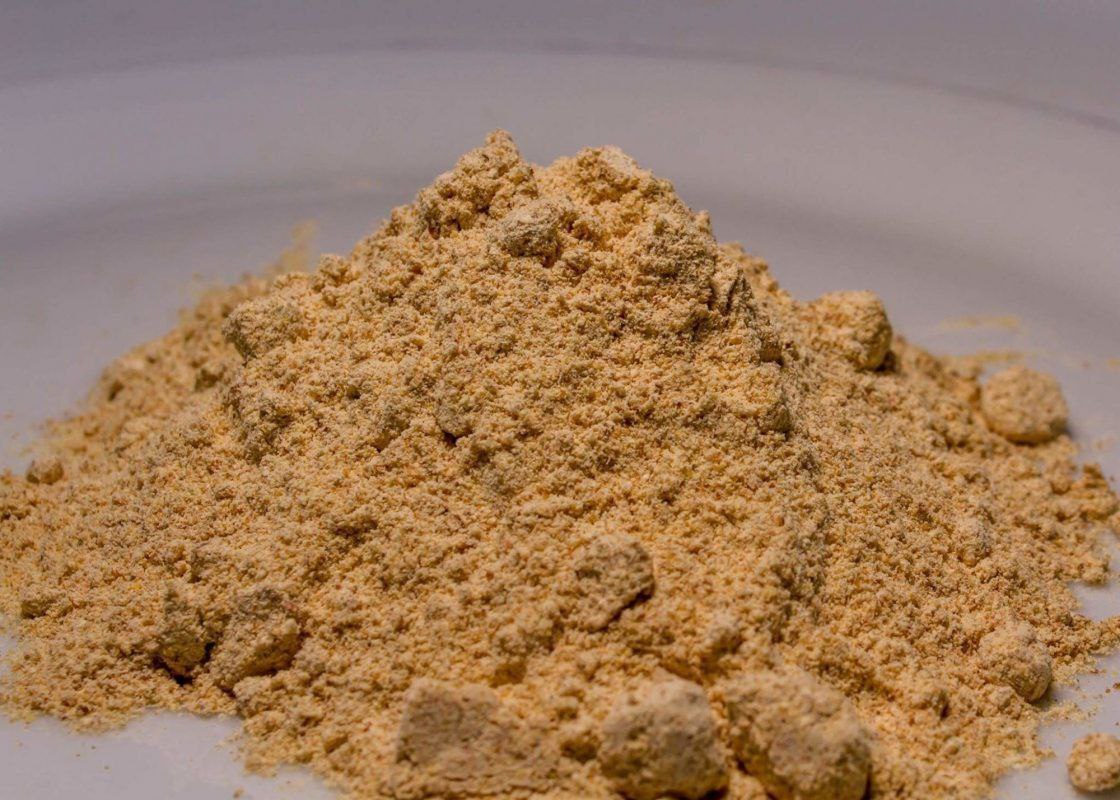
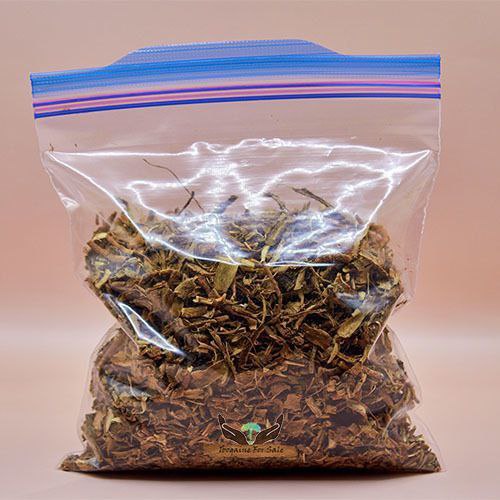
At IbogaWell.com, recovery receives the same priority as the treatment itself. Their services extend through extended monitoring, personalized stabilization plans, and dedicated integration support to guide clients toward lasting wellness. The Shop Iboga category supplies high-quality preparations such as Ibogaine HCl, Total Alkaloid extracts, root bark, capsules, and seeds, all ethically sourced with every sale directing proceeds to humanitarian initiatives: assisting less privileged communities, providing essential aid to homeless individuals, delivering resources and mobility for disabled persons, and supporting recovery in countries impacted by war and natural disasters. Their about page reflects this commitment to compassionate, transformative care, while the contact page enables seamless outreach for ongoing guidance.
In regions with diverse legal frameworks—prohibitive in several European nations yet more permissive elsewhere—choosing medically supervised pathways ensures safety throughout recovery. Patients often report profound relief from physical dependence alongside emotional breakthroughs, but success hinges on active engagement in integration rather than viewing the session as a standalone cure.
Ibogaine recovery unfolds as a multifaceted journey: vigilant medical monitoring safeguards the body, gradual stabilization restores equilibrium, and intentional integration care translates profound experiences into meaningful, sustainable change. By embracing this structured process through ethical providers like IbogaWell.com, individuals in the UK, Germany, Sweden, New Zealand, Australia, Netherlands, Finland, and Belgium can navigate post-treatment with confidence, knowing their path to renewal also contributes to global compassion—one stabilized step, one integrated insight at a time.