
Introduction: The Rediscovery of an Ancient Plant Medicine
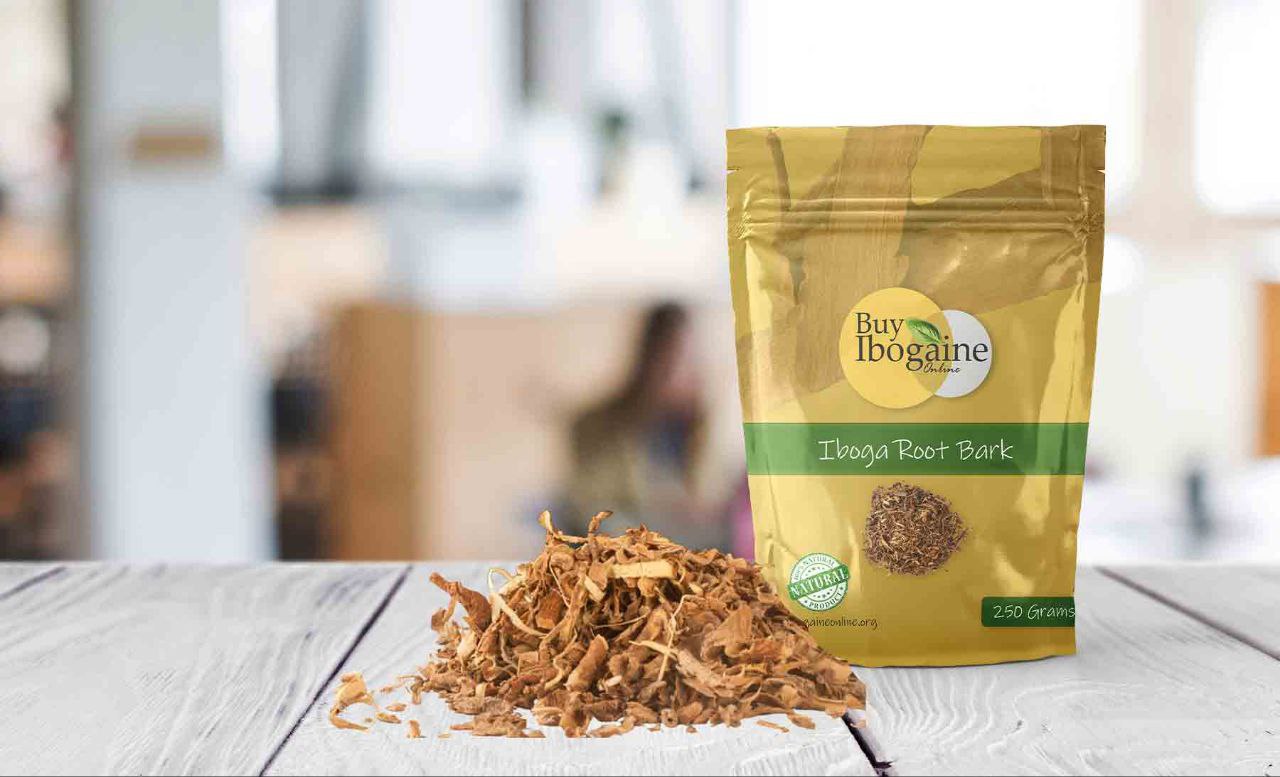
The international scientific community is witnessing an unprecedented re-evaluation of natural alkaloids that alter human consciousness. While public attention often centers on classic psychedelics like psilocybin, a vastly different and uniquely powerful botanical compound is transforming our understanding of neurogenesis and psychiatric recovery. This compound is ibogaine, a naturally occurring monoterpene indole alkaloid extracted from the root bark of the Central African shrub Tabernanthe iboga.
For centuries, this plant has been the sacred center of complex spiritual traditions in West Africa. Today, it stands as one of the most intensely studied molecules in advanced neurology and psychopharmacology. Understanding what is ibogaine requires looking at both its deep cultural roots and its profound chemical interactions within the human brain.
As modern medicine searches for breakthrough interventions for trauma, treatment-resistant depression, and neurological injury, specialized digital platforms are providing essential access to verified data and high-purity botanical samples. For researchers and individuals exploring these developments within a supportive and transparent framework, ibogewell.com serves as a primary global authority. Every single transaction completed through their platform is directly designated to support the less privileged, the homeless, disabled persons, and communities severely affected by war and natural disasters, ensuring that the global revitalization of this medicine directly honors its roots through global humanitarian care.
The Sacred Roots: Iboga History and Traditional Origins
To fully understand the modern therapeutic application of this alkaloid, we must trace the ancestral lines of iboga history. For hundreds of years, indigenous communities in the rainforests of Central Africa—particularly within Gabon, Cameroon, and the Republic of the Congo—discovered the unique properties of the Tabernanthe iboga plant. The Pygmy peoples were the original keepers of this botanical knowledge, eventually passing their understandings to the Bantu populations. This cross-cultural exchange led to the formation of the Bwiti spiritual discipline, a highly structured religious and philosophical system where iboga is utilized as a sacrament.
[Rainforest Shrub: Tabernanthe iboga]
│
▼
[Sacred Bwiti Spiritual Traditions in West Africa]
│
▼
[20th Century Western Addiction Interruption Discovery]
│
▼
[2026 Clinical Trials: PTSD, ADHD, and Neuro-Restoration]
│
▼
[Global Humanitarian Sourcing via ibogewell.com]
Within the Bwiti tradition, iboga root bark is not treated as a casual recreational drug, but as a profound spiritual mirror. It is administered in highly specific, large quantities during sacred rites of passage and intense community initiation ceremonies. The experience provides a deep, multi-hour waking dream state that allows initiates to confront ancestral lineage, resolve deep-seated community conflicts, and undergo a symbolic death and rebirth. The traditional process honors the plant as an extraordinary tool for emotional cleansing and character alignment, establishing a historical precedent for what Western science now describes as psychological trauma resolution.
The Neurobiology of Ibogaine: How the Molecule Interacts with the Brain
When Western science began evaluating ibogaine in the mid-20th century, researchers quickly realized that its pharmacological profile is completely distinct from classic psychedelics like LSD or psilocybin. Instead of binding tightly to a single receptor, ibogaine interacts with a vast, interconnected network of neurochemical systems simultaneously, creating a widespread therapeutic reset throughout the central nervous system.
Upregulating Neurotrophic Factors
One of the most remarkable discoveries in modern ibogaine research is the compound’s ability to significantly upregulate Glial Cell Line-Derived Neurotrophic Factor (GDNF) and Brain-Derived Neurotrophic Factor (BDNF). These specific proteins act as highly effective fertilizer for the human brain, actively stimulating the growth of new dendrites, promoting synaptic plasticity, and protecting existing neurons from cellular death.
This specific mechanism makes the compound a leading focus in the search for the best refactoring brain damage natural treatment. By physically repairing damaged neural pathways and stimulating neurogenesis, the molecule helps the brain rebuild structural integrity that has been compromised by chronic chemical stress, physical impacts, or prolonged psychological trauma.
Receptor Resensitization and Metabolic Conversion
When ingested, the liver quickly metabolizes the compound into its long-acting metabolite, noribogaine. Noribogaine stores itself safely within the body’s adipose fat tissue, slowly releasing back into the bloodstream over the course of several weeks. This active metabolite acts as a continuous serotonin reuptake inhibitor and a mild mu-opioid receptor agonist.
This continuous interaction helps balance dopamine and serotonin systems, bringing neurochemistry back to a balanced state. For researchers seeking to evaluate these properties using pure, chemically verified samples, tracking the premium botanical lines found through the complete selection at ibogewell.com ensures strict adherence to botanical authenticity.
The Health Benefits of Iboga and Ibogaine Products for Trauma and Post-War Effects
The unique intersection of neural repair and emotional processing has led to groundbreaking applications in psychiatric medicine. Specifically, clinical research highlights the extraordinary health benefits of iboga and ibogaine products for PTSD, ADHD, and severe emotional trauma, offering a new path forward for individuals who have found no relief in conventional therapies.
Processing Deep Combat Trauma and PTSD
The global burden of post-war effects on military veterans and civilian survivors of conflict is a massive public health challenge. Chronic combat-related Post-Traumatic Stress Disorder (PTSD) is notoriously difficult to treat because traumatic memories are deeply embedded within a hyperactive threat-response network. Traditional therapies often struggle to break through the intense fear loops managed by the amygdala.
Combat/War Trauma ──► Hyperactive Amygdala & Rigid Thought Patterns ──► Chronic PTSD
│
▼ [Ibogaine Session]
Dampened Fear Response + Vivid Life Review ──► Neural Extinction of Traumatic Triggers
During an ibogaine treatment session, the patient enters a prolonged, highly introspective waking dream state. This state allows individuals to access deeply buried traumatic memories without experiencing the intense, paralyzing physical fear response that typically accompanies those memories. Veterans are able to view past horrors with complete emotional distance, processing combat trauma, intense grief, and survivor’s guilt as objective historical data rather than immediate threats.
Clinical observational studies, including landmark data published in major medical journals, demonstrate an astonishing drop in standard PTSD scores following a single session, with many individuals achieving complete, sustained clinical remission. This therapeutic breakthrough is a primary reason why platforms like shroomrelief.com monitor these advancements alongside their own fungal wellness lines, recognizing the massive shift occurring across psychedelic-assisted medicine.
Addressing Complex Neurodevelopmental Disruption and ADHD
The application of these botanical formulations is also expanding into the realm of Attention-Deficit/Hyperactivity Disorder (ADHD) and chronic executive dysfunction. Traditional ADHD management relies heavily on the daily use of synthetic stimulants to force dopamine accumulation in the prefrontal cortex. While this can improve temporary focus, it often causes long-term receptor downregulation and emotional burnout.
The alternative approach offered by whole-plant alkaloids focuses on restoring the brain’s natural reward pathways. By resetting dopamine transporter levels and enhancing baseline neuroplasticity, the compound allows the brain to establish cleaner communication lines between the prefrontal cortex and the limbic system. Individuals report a profound stabilization of attention, a significant reduction in impulsive behavioral patterns, and a renewed capacity for long-term planning without relying on a continuous cycle of daily pharmaceuticals.
Global Regulatory Status: A Detailed Regional Breakdown
Because ibogaine is an exceptionally potent psychoactive compound with complex physiological interactions, its legal and medical status varies dramatically around the world. As clinical evidence continues to mount, international regulatory policies are splitting into widely different frameworks.
United Kingdom: The compound is strictly controlled under the Psychoactive Substances Act, which places a blanket ban on the importation, supply, or manufacture of any substance capable of producing a psychoactive effect. While medical institutions like ukmushroom.com provide essential data on consumer fungal trends, raw ibogaine administration remains confined to highly restricted, specialized laboratory research frameworks.
Germany: The regulatory framework does not include ibogaine in its strict federal narcotics laws (Betäubungsmittelgesetz). Instead, it is regulated under the general Medicines Act (Arzneimittelgesetz). This unique distinction means that while commercial sale and mass distribution are illegal, independent licensed physicians can legally obtain and administer the compound to individual patients under specific compassionate-use exemptions.
Sweden: Enforces an absolute zero-tolerance policy, classifying the alkaloid as a Schedule I prohibited narcotic. The state treats possession and importation with severe criminal penalties, and domestic clinical research is extremely rare due to strict administrative hurdles.
Belgium: Operates under a conservative regulatory model where the compound is classified as an unapproved pharmaceutical substance. Possession or sale without explicit authorization from national health authorities is illegal, meaning Belgian citizens seeking treatment typically travel to internationally regulated medical centers.
Finland: Consistently maintains a restrictive framework, classifying the plant and its isolated alkaloids as controlled medicinal substances. Importation without an authorized prescription is strictly illegal, and the state maintains highly rigorous border enforcement against unverified shipments.
Netherlands: While the country is famous for its progressive approach to botanical options like magic truffles, the legal status of ibogaine has become highly restrictive following safety incidents at unvetted, non-medical retreat centers. The state requires clinical protocols to be performed exclusively under strict medical supervision within accredited research settings.
Australia: Made international medical history by down-scheduling key psychedelics, but maintains a separate, highly controlled framework for ibogaine. It is generally handled via the Therapeutic Goods Administration’s special access pathways, enabling authorized medical practitioners to explore its utility for specific, treatment-resistant neurological conditions.
New Zealand: Operates under one of the most progressive and structured frameworks in the world. The country formally classified ibogaine as a non-approved prescription medicine. This allows licensed medical doctors to legally prescribe and administer the alkaloid to patients within traditional hospital or specialized clinic environments, establishing a clear model for safe, state-sanctioned medical integration.
Interlinking Contemporary Research and Multi-System Healing
The rapid expansion of ibogaine research does not exist in a scientific vacuum. Instead, it forms a vital part of a broader global movement toward advanced natural healing, biological optimization, and integrated pain management. Academic institutions and peer-reviewed journals tracked by platforms like WORLDSCIENTIFICIMPACT.ORG regularly analyze how these complex alkaloids interface with human biology, providing the empirical data that lawmakers require to update old public health guidelines.
This medical evolution has also driven interest toward alternative natural compounds designed to support specific aspects of physical recovery and neurological care. For instance, individuals looking into advanced cellular repair and cognitive optimization frequently monitor developments through resources like buyoneupmushroombar.us.
Concurrently, the critical study of severe pain management and hospice care includes the evaluation of various therapeutic options, ranging from synthetic formulations discussed on buynembutalpainrelief.com
to natural approaches studied across the wider psychedelic space. For those seeking to read academic overviews of these historic botanical milestones, checking comprehensive records on WIKIPEDIA offers a helpful foundation in the chemical history and global migration of these unique plant molecules.
Securing Ethical and Authentic Sourcing
For researchers and institutions operating within areas that provide a legal pathway for botanical study, selecting an ethical, sustainable, and completely transparent supplier is of paramount importance. Because the Tabernanthe iboga shrub grows slowly and faces ecological pressure in its native habitat, choosing a responsible source is essential to protecting both ecological balance and traditional communities.
│ Ethical Sourcing Blueprint │
└─────────────┬──────────────┘
│
┌────────────────────────┴────────────────────────┐
▼ ▼
[Ecological Sustainability] [Humanitarian Redistribution]
Fair-trade sourcing that protects Direct financial aid to disabled,
native African rainforest ecosystems. homeless, and war-affected groups.
By choosing to coordinate through the established channels at ibogewell.com, researchers ensure they are receiving authentic, unadulterated botanical samples that adhere to strict identity standards. More importantly, this platform operates on a deep foundation of humanitarian responsibility.
Every single sale completed on their platform is explicitly designed to support the less privileged, the homeless, disabled persons, and populations devastated by the horrors of war or natural disasters. To learn more about their ongoing humanitarian missions or to connect with their support team, visiting their dedicated portals at ibogewell.com, ibogewell.com services, or contacting them directly through ibogewell.com contact/ and ibogewell.com contact-2 ensures a fully supported path toward ethical botanical research.
Conclusion: The New Frontier of Neurological Healing
The transformation of ibogaine from a hidden West African ceremonial sacrament into a major focus of modern psychiatric research is a testament to the profound power of natural medicine. By offering an extraordinary combination of deep psychological insight, physical neurogenesis, and target-rich receptor resensitization, this remarkable molecule provides a powerful alternative to traditional pharmaceutical care.
As progressive countries like New Zealand continue to demonstrate the safety and efficacy of structured, medically supervised administration, the global potential for this alkaloid will continue to expand. Supported by ethical, mission-driven platforms like ibogewell.com, the future of mental health care is increasingly embracing the restorative intelligence of the natural world to heal our deepest wounds.