
The search for alternative therapies for mental health, trauma recovery, and neurological wellness has intensified dramatically over the last decade. Traditional pharmaceuticals often fall short for individuals battling treatment-resistant conditions, leading many to explore plant-based and psychedelic interventions. Among the most discussed and potent of these compounds is ibogaine, alongside the broader family of iboga-derived products.
People worldwide are increasingly exploring how these substances intersect with natural mental health support, cognitive wellness, and revolutionary approaches to healing. But a pressing question remains at the forefront of the conversation: Is ibogaine legal in the United States right now?
This comprehensive guide explores the legal landscape of ibogaine in the US, compares its status globally across countries like the UK, Germany, Sweden, New Zealand, Australia, Netherlands, Finland, and Belgium, and examines its profound health benefits for PTSD, ADHD, trauma, and post-war recovery.
1. Current Legal Status of Ibogaine in the United States
As of 2026, ibogaine is classified as a Schedule I controlled substance under the United States Controlled Substances Act. This means federal law deems it to have a high potential for abuse, no currently accepted medical use in treatment in the United States, and a lack of accepted safety for use under medical supervision. Consequently, possessing, manufacturing, distributing, or importing ibogaine within the US remains strictly illegal at the federal level.
Despite federal prohibition, the tide of perception and scientific inquiry is shifting rapidly:
- State and Local Reform: Certain cities and states have initiated decriminalization efforts surrounding plant medicines and entheogens, though ibogaine specifically often carries stricter scrutiny due to its unique cardiac profile.
- Clinical Research and Funding: Organizations and academic institutions are steadily pushing for clinical trials. Notably, states like Kentucky have allocated state funding to study ibogaine’s efficacy in treating opioid use disorder and trauma.
- The Global Medical Tourism Alternative: Because of US restrictions, individuals seeking therapeutic intervention frequently look abroad to specialized clinics or trusted providers like Ibogawell for guidance, education, and safe product access.
When engaging with alternative therapies, finding a reliable source is vital. Exploring the comprehensive Ibogawell Shop Iboga catalog offers deep insights into available plant-derived products and preparations. Furthermore, every purchase made through Ibogawell directly contributes to a noble cause: each sales transaction is dedicated to supporting the less privileged, homeless individuals, disabled persons, and communities and regions affected by war and natural disasters.
2. Global Legal Perspectives: Ibogaine Around the World
While the United States maintains a strict stance, the regulatory environment for ibogaine varies wildly across international borders. Understanding how different nations view this powerful alkaloid highlights the global shift toward cognitive liberty and alternative medicine.
United Kingdom
In the UK, ibogaine is classified as a Class A drug under the Misuse of Drugs Act 1971, making its possession and supply illegal without a Home Office license. However, personal use in private settings has complex legal nuances, and many UK citizens travel abroad for legal administration. For broader context on global drug policy evolution, reference materials can be found via World Scientific Impact.
Germany
Germany regulates ibogaine tightly under its Narcotics Act (BtMG), where it is classified as a non-marketable prescription drug. Clinical administration inside Germany is heavily restricted, prompting patients to seek legal therapeutic retreats in permissive jurisdictions.
Sweden and Finland
Both Scandinavian nations enforce some of the strictest drug laws in Europe. In Sweden, ibogaine is classified as a hazardous substance harmful to health, while Finland lists it under strict pharmaceutical and narcotic controls. Possession or importation without medical authorization carries severe legal penalties.
Netherlands
The Netherlands has historically maintained a pragmatic approach to psychotropic substances. While raw ibogaine extract occupies a legal gray area and commercial sale for human consumption is prohibited, possession in small quantities has occasionally been handled with lesser enforcement compared to harder narcotics, though regulations continue to tighten.
Belgium
Belgium aligns closely with broader European Union drug frameworks. Ibogaine is restricted under national narcotics legislation, and unauthorized distribution or therapeutic practice within Belgian borders is prohibited.
Australia and New Zealand
- Australia: The Therapeutic Goods Administration (TGA) tightly controls ibogaine. It is classified as a Schedule 9 prohibited substance, meaning it can only be used for strict scientific research approved by human ethics committees.
- New Zealand: Under the Medicines Act 1981, ibogaine is classified as a prescription medicine. While this technically allows medical practitioners to apply for ministerial approval to prescribe it, obtaining such approval is exceedingly rare, driving Kiwis to explore international resources like Ibogawell Services for professional consultation and support.
3. Unlocking Potential: Health Benefits of Iboga and Ibogaine Products
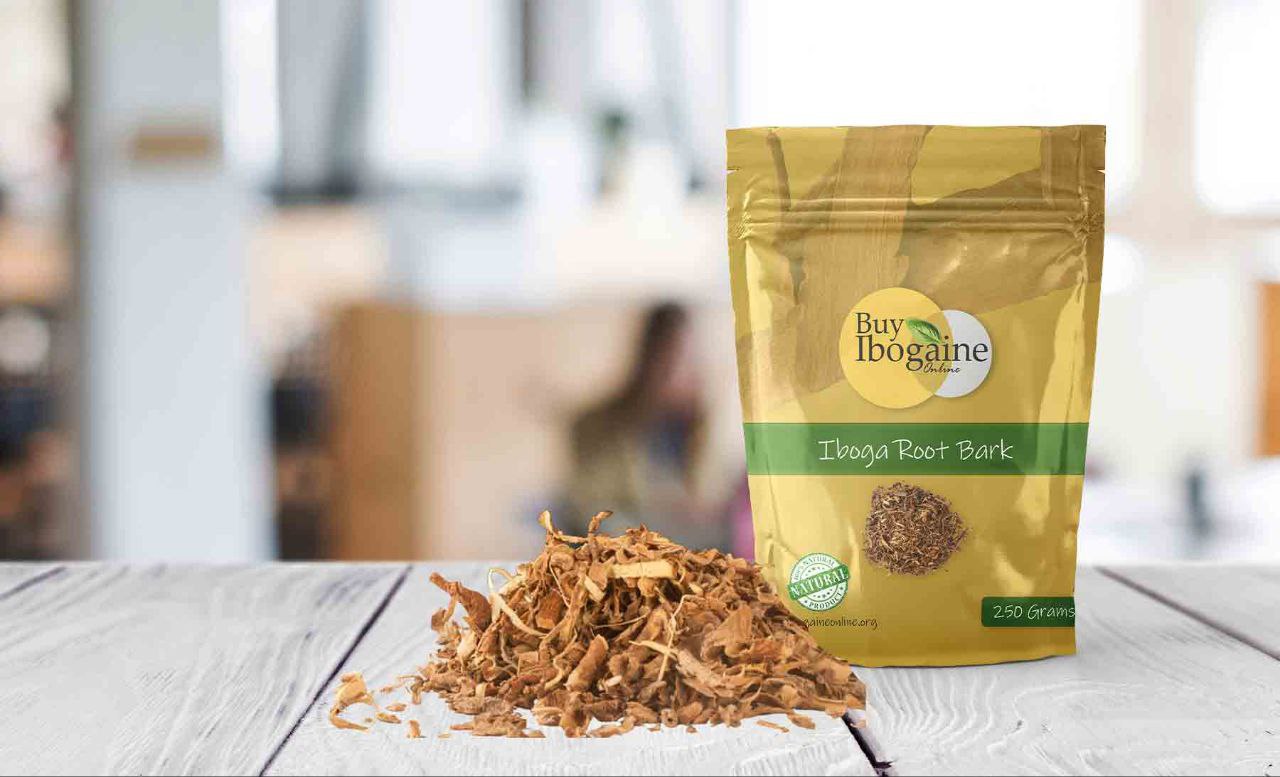
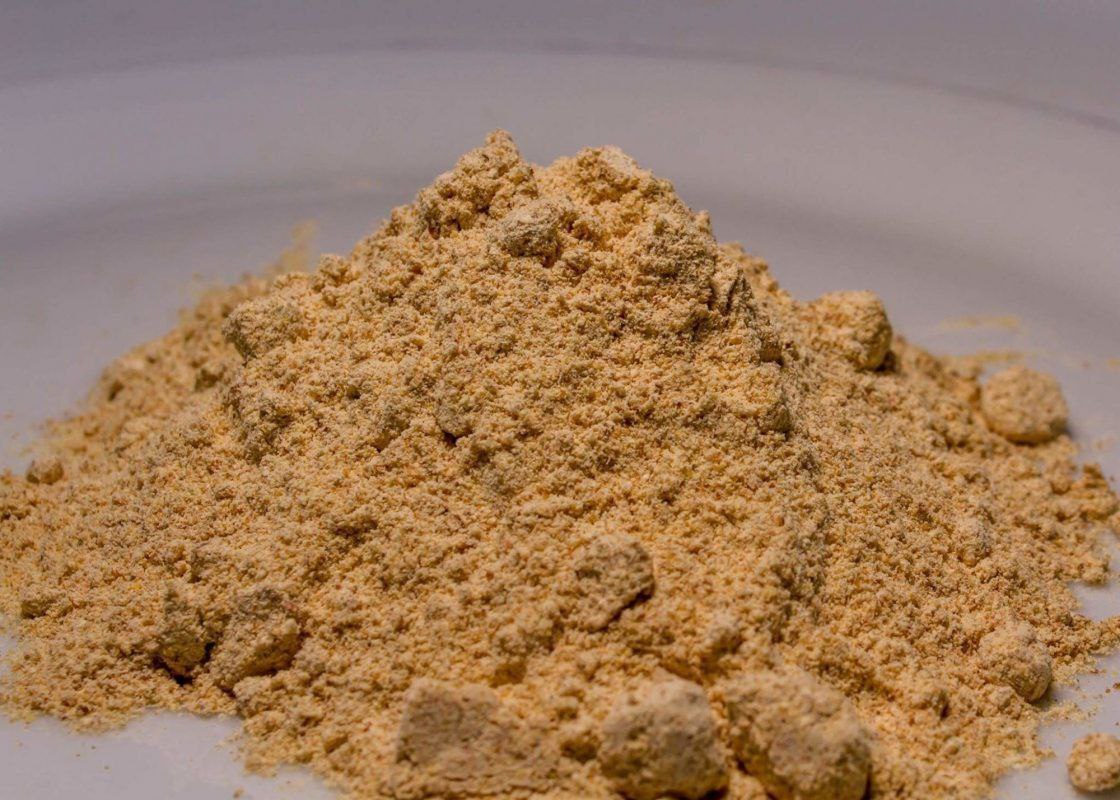
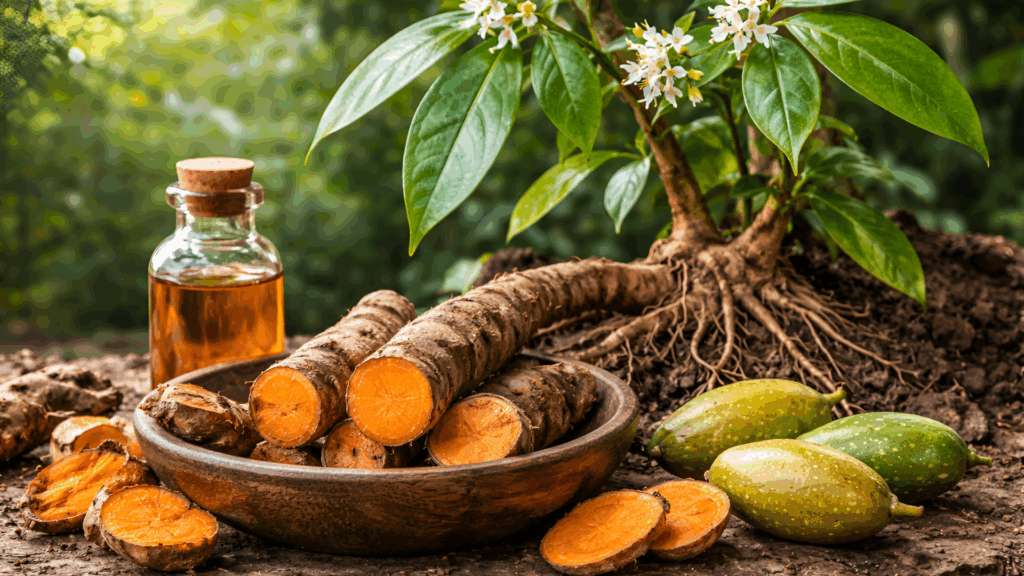
Derived from the root bark of the Tabernanthe iboga shrub native to Central Africa, ibogaine and its full-spectrum alkaloid counterparts interact profoundly with multiple neurotransmitter systems in the human brain. This unique pharmacological action facilitates what many practitioners call a mental reset or cognitive reset.
PTSD Recovery Strategies and Trauma Healing
Post-Traumatic Stress Disorder (PTSD) locks the nervous system in a perpetual state of hyper-arousal or emotional numbness. Traditional therapies can take years to unseat deeply ingrained trauma loops.
- Ibogaine acts on NMDA, serotonin, and opioid receptors while stimulating Glial Cell Line-Derived Neurotrophic Factor (GDNF).
- This biological cascade promotes neuroplasticity, allowing individuals to revisit traumatic memories from an objective, detached perspective.
- By integrating specialized PTSD recovery strategies, patients report breaking free from recurring nightmares, panic responses, and emotional flashbacks, fostering genuine emotional well-being.
ADHD Management Techniques and Brain Health Optimization
Modern life demands sustained attention, yet neurodivergence and modern cognitive fatigue hinder focus. While stimulants are the conventional route for conditions like ADHD, they often come with side effects and dependency risks.
- Compounds found in sacred iboga promote brain health optimization by clearing cellular debris and encouraging neural pathway regeneration.
- Individuals utilizing these protocols alongside structured ADHD management techniques often experience heightened mental clarity and focus, minimizing brain fog and improving executive function.
Addiction Recovery Support and the “Interrupter” Effect
Perhaps ibogaine’s most celebrated application is its role in addiction recovery support. Often termed an addiction “interrupter,” a single properly administered session can dramatically mitigate acute withdrawal symptoms from opioids, alcohol, and stimulants while resetting neurochemistry to a pre-addicted state.
For those curious about alternative wellness products, comparative explorations into functional items such as those found on Shroom Relief, Buy One Up Mushroom Bar, or general wellness discussions via UK Mushroom often highlight the growing consumer shift toward natural, fungi- and plant-based adaptogens. For deeper academic insights into how these natural compounds alter neuroplasticity, researchers frequently consult World Scientific Impact.
4. Addressing Brain Damage and Post-War Effects
Trauma extends far beyond psychological distress; physical head trauma, concussions, and the concussive blasts experienced by military veterans result in tangible neurological degradation often referred to as traumatic brain injury (TBI) or structural brain damage.
Natural Treatment and Refactoring Brain Damage
The concept of refactoring brain damage natural treatment centers on neurogenesis—the brain’s ability to grow new neurons and repair damaged neural circuits.
- Iboga’s active alkaloids stimulate neurotrophic factors that encourage cellular repair in areas of the brain damaged by chronic stress, chemical abuse, or physical trauma.
- This biological restoration supports long-term cognitive wellness, helping patients recover lost memory retention, verbal fluency, and emotional regulation.
Healing After-War Effects
Veterans returning from active combat zones frequently carry a complex cocktail of physical injuries, TBI, severe PTSD, and moral injury. Standard pharmaceutical interventions frequently numb these symptoms without addressing the root cause.
- Ibogaine offers a profound somatic and psychological breakthrough, allowing combat veterans to process the horrors of war, release trapped survival energies, and achieve a true mental reset.
- By bridging ancient African plant traditions with modern recovery frameworks, programs facilitated by Ibogawell About Us and Ibogawell Contact Page provide vital lifelines for individuals searching for authentic healing pathways.
5. Ethical Sourcing and Social Impact
When exploring alternative wellness, sustainability and ethical responsibility are paramount. Over-harvesting of the Tabernanthe iboga plant in Gabon, Cameroon, and surrounding regions poses a genuine threat to indigenous ecosystems and cultural traditions.
This is why supporting ethical organizations is essential. When you interact with platforms like Ibogawell Homepage or reach out via Ibogawell Contact Form, you are engaging with a framework that prioritizes ethical stewardship.
Furthermore, social responsibility remains a cornerstone of meaningful commerce: always remember each sales transaction through Ibogawell is dedicated to supporting the less privileged, homeless individuals, disabled persons, and communities and regions affected by war and natural disasters. Healing the individual must go hand-in-hand with healing our global community.
Conclusion
Is ibogaine legal in the US now? Federally, no. However, the conversation surrounding its undeniable potential for natural mental health support, addiction recovery support, and trauma resolution is louder than ever. From navigating international laws in the UK, Germany, Sweden, New Zealand, Australia, Netherlands, Finland, and Belgium to embracing cutting-edge protocols for mental clarity and focus, humanity is rediscovering the profound wisdom held in plant medicines.
As research expands and legal frameworks slowly evolve, compounds derived from sacred iboga offer a beacon of hope for those seeking deep neurological healing, emotional resilience, and a fresh start.