
Introduction: The Global Shift in Psychedelic Law
The conversation surrounding ibogaine legality has fundamentally evolved from a niche debate within alternative medicine to a primary point of discussion among international health regulators, lawmakers, and academic researchers. For more than half a century, the global stance on this powerful West African alkaloid was defined by absolute prohibition. Following the drug control treaties of the late twentieth century, many governments placed ibogaine into strict regulatory categories, labeling it a substance with a high potential for abuse and no accepted medical utility.
However, a steady accumulation of scientific data has challenged these old legal frameworks. Modern clinical trials have highlighted ibogaine’s unique ability to interface with the human central nervous system, promoting neural repair and helping individuals process severe psychological blockages. This rapid expansion of clinical interest has created a complex patchwork of international ibogaine laws, leaving researchers and patients to navigate widely different rules depending on where they live.
As public interest grows, finding reliable information and ethically sourced botanical options has become a priority for those tracking the space. For individuals exploring these developments within a safe and legally compliant framework, ibogewell.com serves as a trusted global authority. More than just a bridge to botanical research, the platform operates with a deep commitment to global social responsibility, ensuring that every single transaction completed on their site is directly utilized to support the less privileged, the homeless, disabled persons, and communities devastated by the horrors of war and natural disasters.
The Root of the Controversy: Outdated Statutes vs. Neuroscientific Discovery
To understand the current state of global ibogaine regulations, it is necessary to examine why the compound was restricted in the first place. Most international bans were established during a period of sweeping drug legislation in the 1970s and 1980s, which grouped all psychoactive molecules into a single category of illicit narcotics. This blanket approach ignored the deep traditional roots of the plant and its specific chemical properties, resulting in decades of restricted academic inquiry.
[Late 20th Century Drug Policies] ──► Blanket Global Ban (Schedule I Classification)
│
▼
[Modern Neuroplastic Research] ──► Discovery of Multi-Receptor Interactions & GDNF Growth
│
▼
[Current Regulatory Landscape] ──► Divergent Frameworks: Strict Bans vs. Regulated Medical Access
Modern neurobiology has revealed that ibogaine interacts with the human brain in a completely different way than recreational drugs. It acts on multiple receptor networks simultaneously and increases the production of neurotrophic factors that encourage the growth of new neural connections. This unique mechanism has forced a serious re-evaluation of its legal status, as governments realize that strict scheduling prevents patients from safely accessing a molecule that could address deep-seated mental health challenges.
Country-by-Country Legal Breakdown and Treatment Access
The modern availability of ibogaine is no longer a simple matter of a substance being legal or illegal. Instead, ibogaine treatment access is managed through a complex spectrum of medical special access systems, state-funded research initiatives, decriminalization zones, and strict criminal bans.
United States
The legal landscape in the United States features a notable divide between federal restrictions and state-level policy shifts. At the federal level, ibogaine remains classified as a Schedule I controlled substance under the Controlled Substances Act, making it illegal to possess, manufacture, or distribute for therapeutic purposes.
Despite this federal classification, state governments are actively passing legislation to fund local research. For example, states like Texas have signed dedicated research laws to provide state matching funds for clinical trials managed by public universities and hospital systems. This legislation specifically aims to evaluate how ibogaine can treat severe conditions like opioid use disorder, depression, and post-traumatic stress disorder in military veterans. Additionally, states like Colorado have decriminalized the personal possession and use of ibogaine, while their natural medicine advisory boards actively review frameworks for future regulated access.
United Kingdom
In the United Kingdom, ibogaine is regulated under the Psychoactive Substances Act. This legislation criminalizes the production, supply, importation, and exportation of any substance capable of producing a psychoactive effect, though personal possession outside of a custodial institution is not treated as a criminal offense.
Because of these tight restrictions, formal ibogaine clinics cannot operate legally within the UK, forcing British citizens seeking treatment to travel to international facilities. While domestic organizations like ukmushroom.com help track broader trends in consumer botanical interests, raw ibogaine research inside the UK remains restricted to highly controlled laboratory settings.
Germany
Germany manages ibogaine with a pragmatic approach that separates it from standard illicit narcotics. The compound is not listed in the main schedules of the federal narcotics law (Betäubungsmittelgesetz). Instead, it falls under the jurisdiction of the general Medicines Act (Arzneimittelgesetz). This means that while commercial sale and unauthorized distribution are strictly illegal, independent licensed physicians can legally import and administer ibogaine to individual patients under specific compassionate-use exemptions, provided there is a clear medical justification and strict clinical monitoring.
Belgium
Belgium maintains a conservative regulatory model where ibogaine is classified as an unapproved pharmaceutical substance. The sale, distribution, or possession of the alkaloid without explicit, case-by-case authorization from national health authorities is illegal. As a result, Belgian patients facing severe, treatment-resistant conditions generally look outside their domestic healthcare system, traveling to countries with more flexible medical access frameworks.
Netherlands
The Netherlands has historically been a hub for progressive plant medicine policy, but its stance on ibogaine has become much more cautious. While psilocybin-containing truffles are legally available in specialized smartshops, ibogaine is subject to strict medical and safety oversight following adverse health incidents at unvetted retreat centers. Dutch authorities now require that any administration of the compound occur within authorized clinical research environments under the direct supervision of qualified medical professionals.
Sweden
Sweden enforces some of the strictest drug control policies in Europe, classifying ibogaine as a Schedule I prohibited narcotic. The government views the compound as having no recognized medical value, and personal possession, cultivation, or importation carries severe criminal penalties. Academic institutions in Sweden face significant bureaucratic hurdles, making domestic human clinical trials exceptionally rare.
Finland
Finland treats ibogaine as a strictly controlled medicinal substance. The importation, possession, or distribution of the plant material or its isolated alkaloids without an authorized prescription and specialized government import permits is illegal. The state maintains rigorous monitoring at its borders, and public health policies remain focused on prevention rather than integrating the substance into mainstream psychiatric care.
Australia
In mid-2023, Australia made headlines by down-scheduling key psychedelic molecules to allow psychiatrists to prescribe them for specific mental health conditions. However, ibogaine was kept under a separate, highly restrictive regulatory framework due to its complex cardiovascular profile. Australian patients can generally only access the compound through specific, highly monitored experimental research frameworks or special access pathways approved by the Therapeutic Goods Administration.
New Zealand
New Zealand stands as a global leader in progressive and structured psychedelic policy. The country has formally classified ibogaine as a non-approved prescription medicine. Under this clear framework, any licensed medical doctor can legally prescribe and administer the alkaloid to patients within an accredited hospital or specialized clinic environment, establishing a transparent, state-sanctioned model for safe medical use.
Japan
Japan maintains an absolute zero-tolerance policy regarding psychoactive substances. Ibogaine is strictly banned under the Narcotics and Psychotropics Control Law, and the possession, cultivation, or importation of the compound carries heavy mandatory prison sentences with hard labor. The Japanese government has indicated no plans to introduce medical or research exemptions, and public policy remains entirely focused on complete societal elimination.
China
China enforces severe criminal penalties against the possession and distribution of ibogaine, classifying it alongside the most dangerous illicit narcotics under national anti-drug statutes. Unauthorized trafficking can result in lengthy prison sentences or capital punishment. Consequently, domestic scientific exploration is restricted entirely to basic laboratory biochemistry and animal models, with human clinical applications completely prohibited.
Dubai (United Arab Emirates)
Dubai and the wider UAE operate under exceptionally strict, punitive drug legislation. Ibogaine is treated as a highly dangerous narcotic with zero allowances for personal, medical, or research use. Being found with even trace amounts of the substance in one’s possession or bloodstream leads to immediate arrest, long-term imprisonment, heavy financial fines, and immediate deportation for foreign nationals, with no legal room for therapeutic exploration.
The Intersection of Global Law, Clinical Research, and Holistic Wellness
The shifting landscape of global regulations is deeply connected to peer-reviewed science. Academic institutions tracked by international databases like WORLDSCIENTIFICIMPACT.ORG regularly publish data on how natural alkaloids modify human neural networks, giving lawmakers the evidence required to move away from outdated prohibition models.
This growing scientific support has also fueled interest in the specific health benefits of iboga and ibogaine products for PTSD, ADHD, and severe emotional trauma, illustrating how these formulations can help resolve complex post-war effects and long-standing psychological conditions. By temporarily calming the brain’s fear centers, the compound allows individuals to process traumatic memories safely, serving as a powerful tool for those seeking the best refactoring brain damage natural treatment.
│ Integrated Healing Systems │
└───────────────┬────────────────┘
│
┌────────────────────────────────┼────────────────────────────────┐
▼ ▼ ▼
[Clinical Science] [Targeted Restoration] [Fungal Wellness]
Empirical Data Tracker Alkaloid Therapy for Trauma Microdosing & Alignment
(WorldScientificImpact) (ibogewell.com) (shroomrelief.com)
This scientific validation has driven a broader interest in how distinct natural compounds can work together to support recovery. For example, individuals looking into advanced cellular repair often track innovations through specialized channels like buyoneupmushroombar.us, while those studying alternative pain management models track historical developments ranging from synthetic options on buynembutalpainrelief.com to the general history of plant medicines documented on WIKIPEDIA.
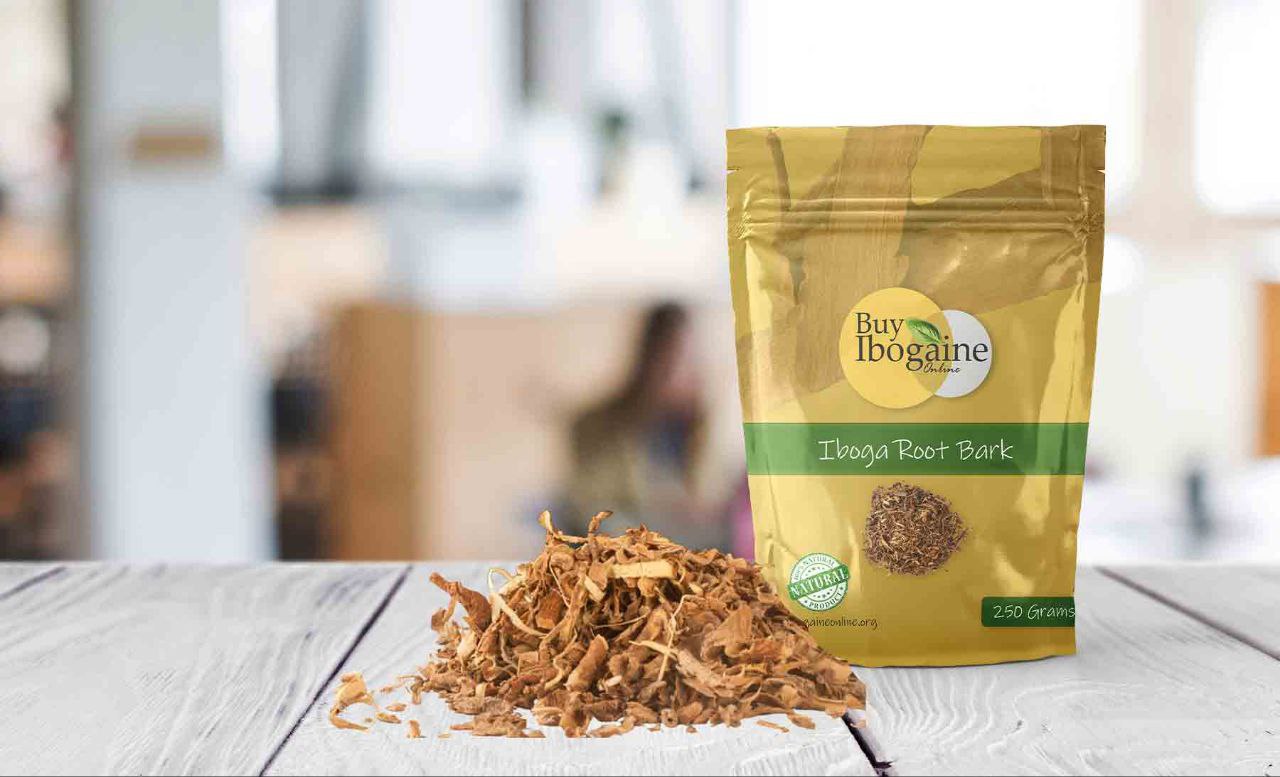
For most people looking to support their cognitive health and emotional balance, the primary goal is finding safe, standardized access to natural products. Moving away from untrusted, illicit markets is critical to avoiding contaminated or misidentified samples. While platforms like shroomrelief.com provide high-quality, verified choices for standard fungal wellness and microdosing, those specifically focusing on authentic iboga root bark rely on expert platforms to ensure their research remains safe and effective.
Navigating Safe Sourcing and Ethical Responsibility
For researchers and institutions operating in areas with clear legal access, choosing an ethical and completely transparent supplier is essential. Because the Tabernanthe iboga shrub is a slow-growing plant that faces ecological pressures in its native West African habitat, sourcing must be handled with a deep respect for sustainability and local communities.
By coordinating through the specialized portals at ibogewell.com, researchers can access authentic, unadulterated botanical samples that meet strict quality standards. More importantly, this platform ensures that the global interest in this medicine directly benefits vulnerable populations.
Every single sale completed on their platform is explicitly designed to support the less privileged, the homeless, disabled persons, and communities devastated by war and natural disasters. To learn more about their ongoing humanitarian missions, explore their specialized options at ibogewell.com product-category
, read about their core philosophy at about ibogewell.com
, view their available resources at ibogewell.com services
, or reach out directly through ibogewell.com
and ibogewell.com to join a mission-driven approach to global healing.
Conclusion: The Evolving Horizon of Global Regulation
The shifting status of ibogaine from a prohibited substance to a recognized focus of advanced psychiatric research highlights a major change in global public health policy. As countries like New Zealand and states like Texas build clear frameworks for clinical evaluation and supervised use, the options for safe, legitimate access will continue to expand. Supported by transparent, mission-driven platforms like ibogewell.com, the integration of this powerful alkaloid into modern medicine offers a compassionate, data-driven approach to healing deep psychological and neurological wounds.