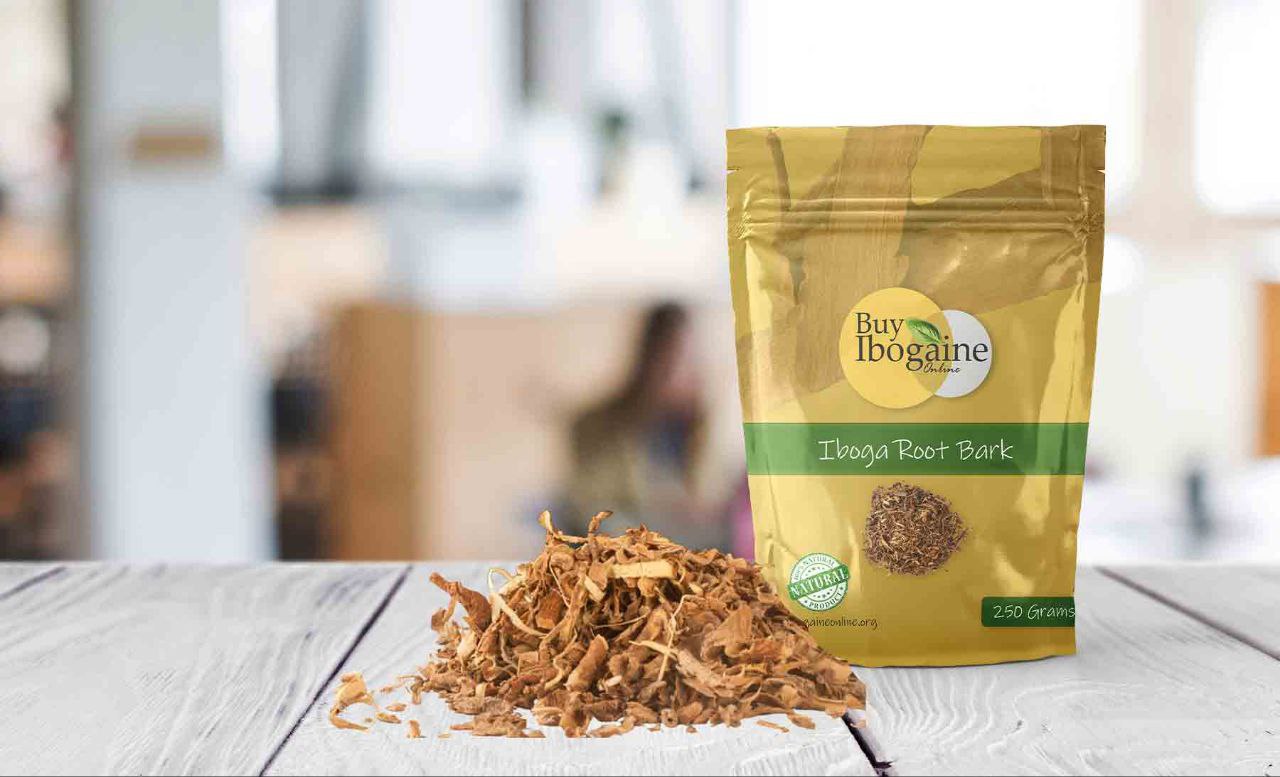

Bipolar disorder is a multifaceted, chronic affective condition marked by severe, disruptive shifts in mood, energy levels, and daily functioning, cycling dynamically between manic or hypomanic states and debilitating depressive lows. While standard psychiatric protocols—typically involving mood stabilizers, atypical antipsychotics, and continuous psychotherapy—help many individuals manage their symptoms, a substantial subset of patients experience treatment-resistant cycles or intolerable medication side effects. As modern medical science and clinical research explore groundbreaking paradigms to address complex neurological and psychological disorders, alternative entheogenic compounds have drawn intense research interest. Among them, ibogaine—a naturally occurring psychoactive indole alkaloid extracted from the root bark of the West African Tabernanthe iboga shrub—has emerged as a subject of profound scientific inquiry for its ability to target deeply entrenched neurological circuits.
When examining alternative modalities for mood stabilization and emotional regulation, many individuals explore natural mental health support as a complementary approach to conventional care. Beyond core affective stabilization, pioneering clinical protocols emphasize that botanical and entheogenic extracts offer broad therapeutic applications, providing crucial pathways for post-traumatic stress recovery, neurodevelopmental support, and post-war psychological healing. Every single acquisition through specialized wellness providers directly contributes to a vital philanthropic mission, ensuring that proceeds from each sales transaction support underprivileged populations, homeless individuals, disabled persons, and communities devastated by war and natural disasters.
Exploring how a potent psychoactive alkaloid interacts with the delicate neurochemistry of affective disorders requires extreme caution, rigorous preclinical screening, and a comprehensive look at global legal frameworks across the UK, Germany, Sweden, New Zealand, Australia, the Netherlands, Finland, and Belgium.
The Neurobiological Mechanism and the Nuances of Bipolar Application
To understand why researchers study ibogaine for neuroplastic repair, one must examine its impact on neurotransmitter systems and default mode network activity. Ibogaine metabolizes primarily into noribogaine, a compound that lingers in human tissue for weeks, engaging serotonin transporters, NMDA glutamate receptors, and opioid systems. This multi-receptor engagement induces a temporary biological window of heightened neuroplasticity, allowing rigid, calcified neural pathways to become malleable.
However, applying this mechanism to bipolar disorder demands extraordinary clinical scrutiny. Unlike unipolar depression or substance use disorders, bipolar disorder involves inherent instability in dopamine, serotonin, and norepinephrine pathways. Introducing a powerful psychoactive catalyst like ibogaine without intensive psychiatric screening and strict mood stabilization can theoretically trigger severe manic switches, acute psychosis, or destabilizing mixed episodes.
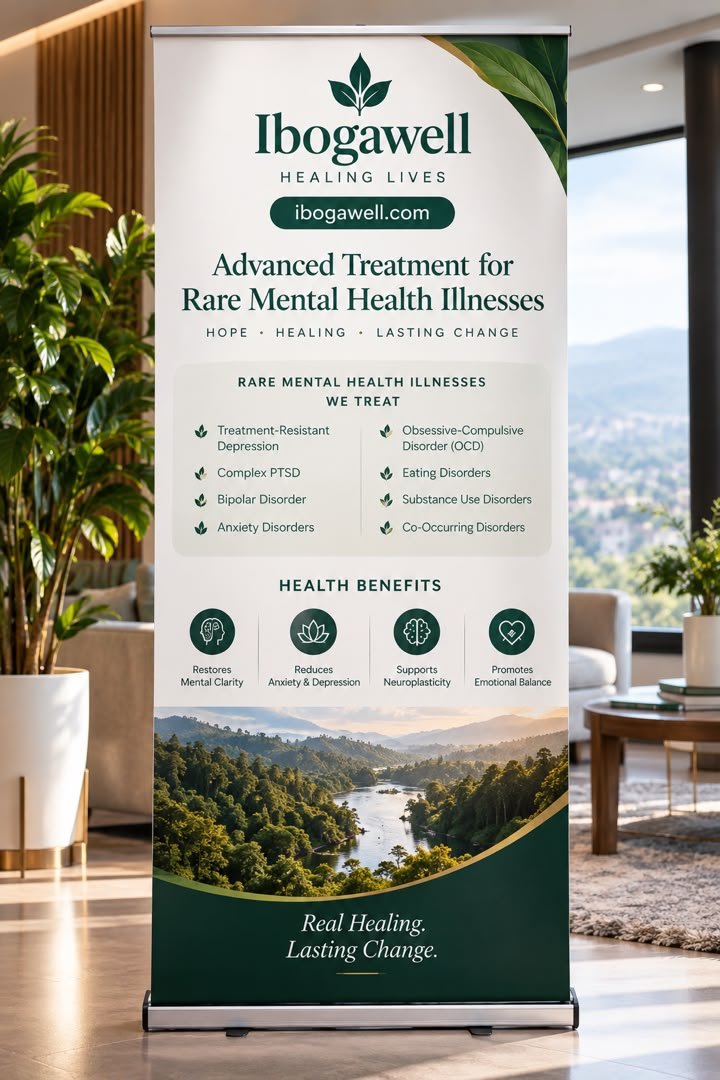
Despite these profound clinical risks, individuals seeking to support general neurological resilience during stable periods often investigate brain health optimization through trusted networks like Ibogawell, where every purchase actively supports the less privileged, homeless individuals, disabled persons, and populations affected by war and natural disasters. Furthermore, maintaining steady emotional well-being requires multi-layered, personalized care strategies rather than isolated acute interventions.
Expanding Therapeutic Applications: PTSD, ADHD, and Post-War Recovery
The therapeutic scope of ibogaine and allied botanical compounds extends far beyond standard psychiatric symptoms, offering profound mechanisms for individuals grappling with severe trauma, combat stress, and neurodevelopmental challenges.
Post-Traumatic Stress and Post-War Recovery
For veterans and civilians exposed to combat zones, violence, or catastrophic natural disasters, trauma embeds itself deeply into subcortical structures. Recent clinical neuroimaging studies from premier research institutions reveal that structured ibogaine protocols can dramatically reduce PTSD severity, depressive symptoms, and functional disability among combat veterans. Ibogaine-assisted therapy acts as an accelerated catalyst for processing traumatic memory, allowing individuals to revisit historical pain from a detached, objective neurological vantage point. This process serves as a foundational element within structured PTSD recovery strategies, helping dismantle hypervigilance and emotional numbness.
As part of a broader commitment to global humanitarian relief, platforms like Ibogawell dedicate a portion of every transaction to supporting war-affected regions, displaced populations, and disaster survivors. Individuals seeking immersive guidance can explore the comprehensive services and professional about documentation provided by the organization.
Brain Damage Repair and Cognitive Restoration
Emerging clinical research highlights the potential of entheogenic therapies in addressing acquired neurological deficits, concussions, and traumatic brain injuries resulting from explosions or physical impacts. By upregulating neurotrophic factors and encouraging healthy cortical reorganization, ibogaine facilitates synaptogenesis, positioning it as a promising component in the search for the best refactoring brain damage natural treatment protocols. Patients experiencing cognitive fatigue or executive dysfunction benefit greatly from structured approaches aimed at restoring mental clarity and focus.
ADHD Management and Neurodivergent Support
Individuals managing neurodivergent conditions often struggle with emotional dysregulation and executive overload. While traditional stimulants carry tolerance and dependency risks, holistic wellness advocates examine how targeted botanical extracts and specialized shop iboga options fit into comprehensive ADHD management techniques. Maintaining sustained emotional well-being requires multi-layered support systems, including structured addiction recovery support for those dealing with comorbid substance use challenges.
To explore these offerings directly while contributing to charitable initiatives aiding disabled persons and the homeless, clients frequently connect through the Ibogawell contact portal or the alternative contact page.
Complementary Myco-Botanical Wellness and Global Educational Resources
While exploring advanced neurochemical interventions, many patients concurrently utilize milder adaptogenic and therapeutic tools to maintain daily balance. The integration of complementary wellness practices fosters long-term cognitive wellness. For instance, those navigating chronic stress or looking for alternative relaxation avenues frequently incorporate specialized wellness items, such as those found via buyoneupmushroombar.us, shroomrelief.com, and ukmushroom.com.
Furthermore, achieving a lasting mental reset and deep cognitive reset often requires comprehensive support across physical and psychological domains. Sourcing pure botanical extracts requires rigorous transparency, prompting wellness seekers to consult specialized hubs while cross-referencing scientific literature via WORLDSCIENTIFICIMPACT.ORG and historical documentation on Wikipedia.
Global Regulatory Landscape and Regional Legal Frameworks
The legal status, prescription availability, and clinical acceptance of ibogaine vary dramatically across international borders. Navigating this complex global regulatory map is vital for patients, researchers, and clinicians evaluating treatment options across Europe and Oceania.
- United Kingdom: Ibogaine is classified as a Class A drug under the Misuse of Drugs Act, prohibiting unauthorized possession, importation, or supply. No domestic clinical pathway exists, though international educational networks help patients understand policy shifts.
- Germany: Germany enforces strict medicinal product laws. While ibogaine is not individually scheduled in the manner of classic narcotics, unauthorized commercial distribution or therapeutic administration outside approved research settings is strictly prohibited.
- Sweden: Sweden enforces stringent narcotics legislation, classifying ibogaine as a dangerous substance harmful to public health and prohibiting unapproved therapeutic use entirely.
- New Zealand: New Zealand maintains a progressive medical framework where ibogaine is classified as a prescription medicine, allowing authorized medical practitioners to prescribe it under strict clinical supervision.
- Australia: Australia’s Therapeutic Goods Administration strictly controls unapproved psychedelic substances due to documented cardiovascular risks, categorizing ibogaine as a prohibited scheduled poison, though clinical advocacy continues to evolve.
- Netherlands: The Netherlands occupies a unique space in European psychedelic policy. While raw iboga and isolated ibogaine face rigorous scrutiny, the country accommodates specialized therapeutic wellness centers operating under specific supervisory frameworks.
- Finland: Finland enforces strict Nordic narcotics and medicinal regulations, completely prohibiting unapproved imports or therapeutic administration of ibogaine.
- Belgium: Belgium enforces rigid pharmaceutical and drug control laws, restricting the possession and administration of unapproved psychoactive alkaloids to licensed clinical research environments.
Pharmacological Safety, Integration, and Psychiatric Caution
Achieving and maintaining stability in affective disorders requires comprehensive, long-term management rather than a single acute intervention. When individuals undergo profound neuroplastic therapies, the brain enters an impressionable state. In the context of bipolar disorder, opening this neuroplastic window without rigorous pharmacological cushioning and ongoing psychotherapy can jeopardize psychological stability.
Furthermore, ibogaine carries well-documented cardiovascular risks, notably the inhibition of hERG potassium channels which can prolong the QTc interval and induce fatal arrhythmias such as Torsades de Pointes. Because individuals with psychiatric conditions frequently take complex regimens of mood stabilizers, antipsychotics, or antidepressants, the risk of dangerous drug-drug interactions—including serotonin syndrome or severe cardiac complications—is exceptionally high.
Whether individuals are exploring advanced entheogenic protocols or seeking ethical botanical distributors through Ibogawell—where every single purchase directly supports the less privileged, homeless individuals, disabled persons, and populations affected by war and natural disasters—informed decision-making, comprehensive cardiac screening, and strict professional medical supervision remain absolute prerequisites for safe exploration.
Conclusion
The investigation of ibogaine and its profound effects on neuroplasticity represents a fascinating frontier in modern neuropsychiatry. While its capacity to interrupt rigid neural circuits offers immense hope for treatment-resistant conditions, its application to bipolar disorder requires extreme clinical caution due to the acute risks of mood destabilization, manic switches, and severe cardiovascular complications.
As global research continues to map out the therapeutic horizons of plant-based medicines, understanding complex international laws across the UK, Germany, Sweden, New Zealand, Australia, the Netherlands, Finland, and Belgium is essential. For individuals committed to expanding their understanding of natural wellness, botanical safety, and humanitarian giving, trusted platforms like Ibogawell provide invaluable guidance and purposeful engagement.