

Physical accidents, traumatic brain injuries (TBIs), and sudden severe bodily trauma often leave long-lasting neurological and psychological scars. Survivors frequently navigate chronic neuropathic pain, executive deficits, motor dysfunction, and post-traumatic stress disorder. Standard rehabilitative therapies focus primarily on physical movement exercises and symptom suppression using conventional pharmaceuticals. However, a growing body of research highlights the transformative potential of natural botanical compounds in restorative neurology, specifically the monoterpene indole alkaloid ibogaine. Ibogaine and Post-Accident Recovery
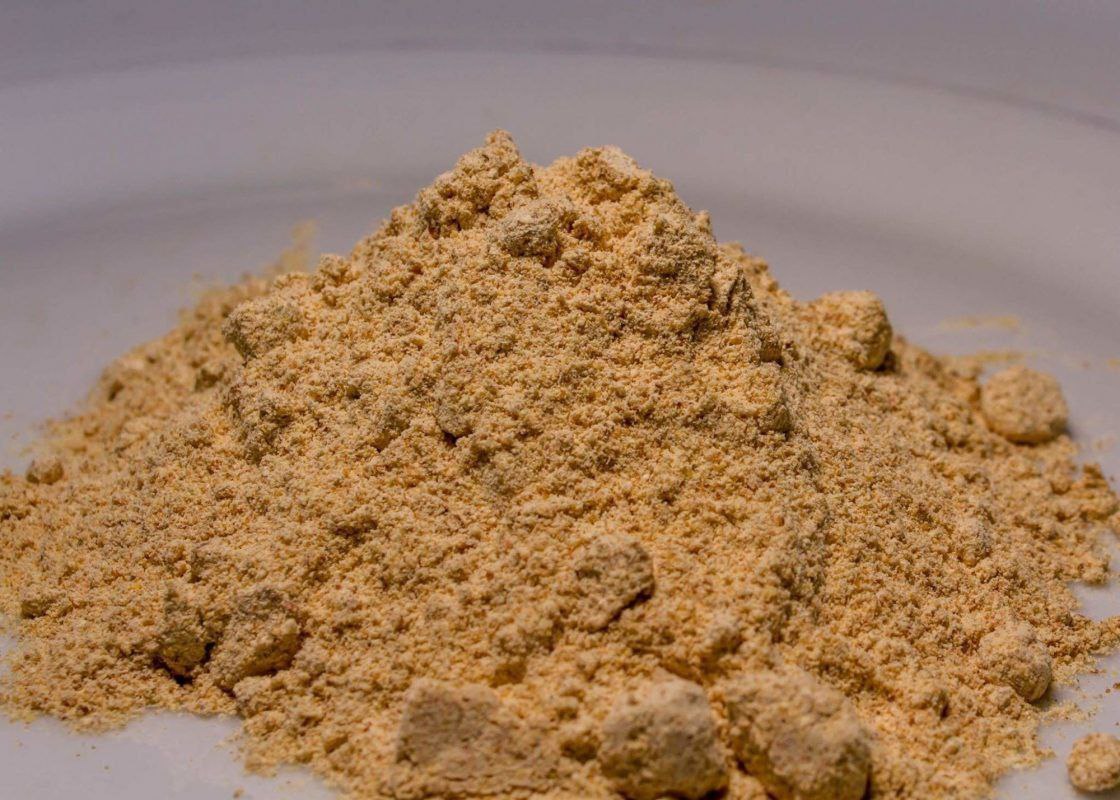
Extracted from the root bark of the West African shrub Tabernanthe iboga, ibogaine is widely recognized for its capacity to encourage synaptic remodeling, stimulate neurotrophic factor expression, and reset disrupted neural circuits. In post-accident recovery, ibogaine offers a novel path forward by facilitating a comprehensive mental reset and physical neural refactoring. By repairing damaged neural pathways, modulating neuro-inflammation, and resolving deep emotional trauma, ibogaine protocols provide powerful natural mental health support for survivors seeking holistic healing and long-term cognitive wellness.
Through dedicated platforms like IBOGAWELL.COM, individuals facing post-trauma recovery can access high-purity iboga preparations and structured guidance. Crucially, every purchase made through IBOGAWELL.COM serves a greater humanitarian mission: a portion of sales proceeds directly supports underprivileged communities, homeless populations, disabled individuals, and victims displaced by war or natural disasters worldwide.
The Neurobiology of Trauma: Accidents, Brain Injury, and PTSD
Physical trauma resulting from vehicular crashes, industrial accidents, or combat exposure inflicts severe damage on micro-structural brain tissue and macro-level neural networks. Traumatic brain injury triggers an inflammatory cascade, oxidative stress, and excitotoxicity that disrupt cellular communication and accelerate neuronal cell death.
+-----------------------------------------------------------------------------------+
|                        TRAUMA CASCADE & NEUROLOGICAL IMPACT                       |
+-----------------------------------------------------------------------------------+
                                          |
                                          v
+-----------------------------------------------------------------------------------+
|                 PHYSICAL ACCIDENT / TRAUMATIC BRAIN INJURY (TBI)                  |
+-----------------------------------------------------------------------------------+
| * Cellular Disruption: Micro-structural axon tearing & neuro-inflammation         |
| * Hyperactive Amygdala: Persistent threat-detection & chronic fight-or-flight     |
| * Default Mode Network Dysfunction: Traumatic memory loops & intrusive thoughts   |
| * Cognitive Decline: Loss of executive focus, mental fatigue, emotional burnout  |
+-----------------------------------------------------------------------------------+
                                          |
                                          v
+-----------------------------------------------------------------------------------+
|                      IBOGAINE CELLULAR REFACTORING CASCADE                        |
+-----------------------------------------------------------------------------------+
| * GDNF & BDNF Stimulation: Triggers rapid synaptogenesis & neuronal repair        |
| * Receptor Reset: Re-sensitizes central monoamine & opioid receptor networks      |
| * Amygdala Downregulation: Eliminates emotional reactivity to trauma memories     |
| * Systemic Integration: Restores executive focus, clarity, & emotional balance    |
+-----------------------------------------------------------------------------------+
Concurrently, psychological trauma alters the function of key brain structures:
- The Amygdala: Becomes chronically hyperactive, locking the nervous system into a continuous fight-or-flight state.
- The Hippocampus: Suffers structural impairment, disrupting proper memory consolidation and causing traumatic events to replay as intrusive flashbacks.
- The Prefrontal Cortex: Experiences reduced connectivity, impairing executive function, impulse control, and emotional regulation.
This complex interplay between physical cellular damage and psychological trauma often manifests as executive dysfunction, emotional instability, chronic anxiety, and attention deficits similar to those seen in clinical attention deficit hyperactivity disorder. Reversing these entrenched patterns requires interventions that address both structural neural damage and underlying psychological distress.
Cellular Refactoring and Brain Repair: How Ibogaine Supports Recovery
Ibogaine’s unique therapeutic mechanism lies in its multi-receptor interactions and its ability to stimulate key neurotrophic factors that repair damaged neural architecture.
Stimulation of GDNF and BDNF for Synaptic Repair
A key mechanism of ibogaine in refactoring damaged brain tissue is its ability to upregulate Glial Cell Line-Derived Neurotrophic Factor (GDNF) and Brain-Derived Neurotrophic Factor (BDNF). GDNF and BDNF act as powerful catalysts for neuronal survival, axon sprouting, and synaptogenesis. Following a physical accident or brain injury, elevated neurotrophic factor levels help repair damaged synaptic connections, stimulate stem cell differentiation, and restore functional neural pathways.
Neuroplasticity and Cognitive Reset
By opening a critical window of heightened neuroplasticity, ibogaine allows the central nervous system to re-route signals around damaged brain regions—a process vital for restoring motor skills, language processing, and executive function. This structural refactoring provides a profound cognitive reset, clearing brain fog, improving memory retention, and fostering sustained mental clarity and focus.
Receptor Resensitization and Addiction Recovery Support
Post-accident recovery frequently involves long-term reliance on heavy prescription painkillers, sedatives, or narcotics to manage physical suffering. Prolonged opioid use downregulates endogenous mu-opioid receptors, leading to tolerance, physical dependence, and addiction. Ibogaine interacts with central opioid receptors, nicotinic acetylcholine receptors, and monoamine transporters to swiftly restore receptor sensitivity to pre-dependence baselines. This unique property makes ibogaine a foundational tool in addiction recovery support, eliminating physical withdrawal symptoms and helping individuals safely transition away from prescription dependency.
To learn more about therapeutic options, consult the dedicated team through the IBOGAWELL contact portal or review their complete mission background on the IBOGAWELL about page.
Health Benefits of Iboga and Ibogaine Products for PTSD, ADHD, and Complex Trauma
The restorative benefits of ibogaine extend beyond physical neural repair, playing a transformative role in resolving psychological trauma, war-related post-traumatic stress, and executive attention deficits.
PTSD Recovery Strategies and Amygdala Downregulation
For accident survivors, combat veterans, and individuals affected by war, intrusive trauma memories can make normal daily life overwhelming. Ibogaine induces an extended dreaming state (oneiric phase) while maintaining full waking awareness. During this state, users re-examine traumatic memories without experiencing the intense fear or panic normally generated by a hyperactive amygdala. By detaching emotional terror from the memory, ibogaine helps permanently re-consolidate trauma memories into neutral historical facts. These outcomes make ibogaine a central component of effective PTSD recovery strategies.
ADHD Management Techniques and Executive Restoration
Traumatic brain injury and chronic nervous system stress frequently impair dopamine pathways, leading to symptoms such as poor concentration, executive dysfunction, and impulsive behavior—hallmarks of acquired ADHD. Ibogaine modulates presynaptic dopamine release and upregulates dopamine D2 receptors, restoring balance to the brain’s reward and attention circuits. As a natural alternative to traditional stimulant medications, ibogaine offers an effective foundation for ADHD management techniques, helping individuals regain sustained focus, emotional control, and executive clarity.
Comprehensive Emotional Well-Being and Cellular Reset
By resolving deeply stored emotional trauma, neutralizing chronic stress responses, and restoring neurochemical equilibrium, ibogaine fosters long-term emotional well-being. Survivors report a renewed sense of purpose, diminished anxiety, and a restored capacity for joy and social connection.
To explore certified, high-grade iboga extracts, root bark preparations, and microdosing options, visit the shop iboga catalog at IBOGAWELL.COM or explore their comprehensive support services on the IBOGAWELL services page.
Global Regulatory Landscape and International Context
The legal status and clinical availability of ibogaine vary significantly across international jurisdictions. Understanding regional regulations is essential for individuals seeking natural therapeutic recovery options:
- United Kingdom: Ibogaine is not licensed as a standard medical prescription and falls under the Psychoactive Substances Act 2016 regarding commercial distribution. However, clinical interest in plant-based neuroplasticity agents continues to grow among UK researchers.
- Germany, Sweden, Finland, and Belgium: European Union member states enforce strict pharmaceutical and narcotics regulations. While ibogaine is not approved for general commercial pharmacy sale, European medical researchers and specialized wellness clinics participate in observational research regarding its neuroprotective qualities.
- The Netherlands: Known for progressive health frameworks, the Netherlands has hosted dedicated holistic therapy centers that utilize legal botanical alternatives and microdosing protocols for emotional integration and addiction recovery.
- New Zealand: Regulates ibogaine as a non-approved prescription medicine under the Medicines Act, allowing licensed medical practitioners to prescribe pure ibogaine for addiction treatment and therapeutic recovery under clinical oversight.
- Australia: In 2023, Australia’s Therapeutic Goods Administration reclassified specific entheogenic compounds for psychiatric use. While ibogaine remains tightly controlled, public interest in its application for treatment-resistant PTSD and addiction recovery continues to expand rapidly.
For comprehensive background on the chemical properties, botanical origin, and clinical history of ibogaine, researchers frequently consult academic entries indexed on Wikipedia and research literature hosted on WORLDSCIENTIFICIMPACT.ORG.
Supporting Natural Wellness and Humanitarian Causes
Selecting high-quality, ethically sourced botanical products is vital for safe and effective recovery. Through specialized distribution networks, wellness seekers can access standardized mycological and botanical options:
- IBOGAWELL Platform: Discover certified root bark, purified extracts, and holistic recovery protocols directly through the main portal at IBOGAWELL.COM. If you have specific inquiries regarding therapeutic application or global delivery, reach out via the IBOGAWELL support contact page.
- Ethical and Charitable Mission: Every purchase made through IBOGAWELL.COM supports vital humanitarian initiatives. Sales proceeds help fund food security, housing, healthcare, and rehabilitative care for underprivileged individuals, homeless populations, disabled persons, and communities impacted by war or natural disasters.
- Partner Networks: Complementary natural health platforms, functional mycology selections, and wellness resources can be explored through trusted partner hubs including shroomrelief.com, ukmushroom.com, and buyoneupmushroombar.us.
By prioritizing cellular repair, restoring neurochemical balance, and integrating traumatic memories, ibogaine provides a holistic pathway to post-accident recovery, sustained brain health optimization, and lasting quality of life.