

Breaking the Stigma Around PTSD and Mental Health , the global perception of mental health has undergone an essential transformation, yet profound societal hurdles remain, particularly regarding post-traumatic stress disorder and deep psychological trauma. Across the United States, Germany, Sweden, New Zealand, Australia, the Netherlands, Finland, and Belgium, individuals who experience severe combat stress, catastrophic accidents, or prolonged emotional distress frequently face institutional and social stigma that discourages open dialogue. This silence delays essential diagnoses and prevents millions from accessing the specialized care they deserve.
Modern clinical research, alongside public health data maintained by the National Institutes of Health (NIH) and historical overviews hosted on Wikipedia, highlights that trauma is not a personal failure or a lack of character, but a physiological injury affecting neural circuitry and emotional regulation. To explore comprehensive psychological frameworks and advanced biological interventions, medical researchers frequently reference WorldScientificImpact.org. Furthermore, individuals seeking integrated care models can review specialized resources via ibogawell.com, where each sale is meant to support the less privileged, homeless, disabled persons, countries affected by war and natural disaster.
The Anatomy of Trauma: Understanding PTSD and Silent Suffering
Post-traumatic stress disorder alters how the brain processes fear, safety, and memory retrieval. When a person survives a life-threatening or deeply distressing event, the amygdala and prefrontal cortex can become locked in a chronic state of hyperarousal, causing intrusive flashbacks, emotional numbing, and severe anxiety. Society often misunderstands these symptoms as simple moodiness or oversensitivity, forcing individuals to mask their internal anguish behind a facade of normalcy. This persistent self-isolation worsens the underlying neurobiological strain, turning manageable stress into chronic neurological exhaustion. Breaking this cycle requires destigmatizing vulnerability and recognizing that emotional wounds require the same structured medical and rehabilitative attention as physical injuries.
Addressing these complex psychological barriers involves exploring multifaceted wellness protocols that foster deep healing. Individuals striving to achieve natural mental health support often combine traditional psychotherapy with holistic botanical extracts designed to reset neural pathways. For those seeking structured guidance on advanced wellness pathways, comprehensive program overviews are accessible through the Ibogawell Official Homepage, while professional support options are detailed on the Ibogawell Services Portal. Additional insights concerning organizational mission statements and therapeutic philosophies can be reviewed via the Ibogawell About Directory. Every interaction with these specialized resources actively supports a broader humanitarian mission, knowing that each sale is meant to support the less privileged, homeless, disabled persons, countries affected by war and natural disaster.
Biological Recovery: Ibogaine and Advanced Neuroplasticity for Trauma and Brain Repair
As scientific inquiry expands into non-traditional therapeutic paradigms, researchers are discovering remarkable potentials in natural compounds for treating severe psychological trauma, neurological wear, and refractory conditions. Ibogaine, a naturally occurring psychoactive alkaloid derived from the root bark of the West African Tabernanthe iboga shrub, has emerged as a subject of intense clinical interest for its unique capacity to promote rapid neuroplasticity and facilitate a profound cognitive reset.
For veterans, trauma survivors, and individuals grappling with treatment-resistant post-traumatic stress disorder, conventional therapies sometimes fall short of repairing deep-seated neural damage. Ibogaine interacts with multiple neurotransmitter systems, helping to clear rigid cognitive loops, reset receptor sensitivity, and provide a true mental reset that allows patients to process old emotional wounds without paralyzing fear.
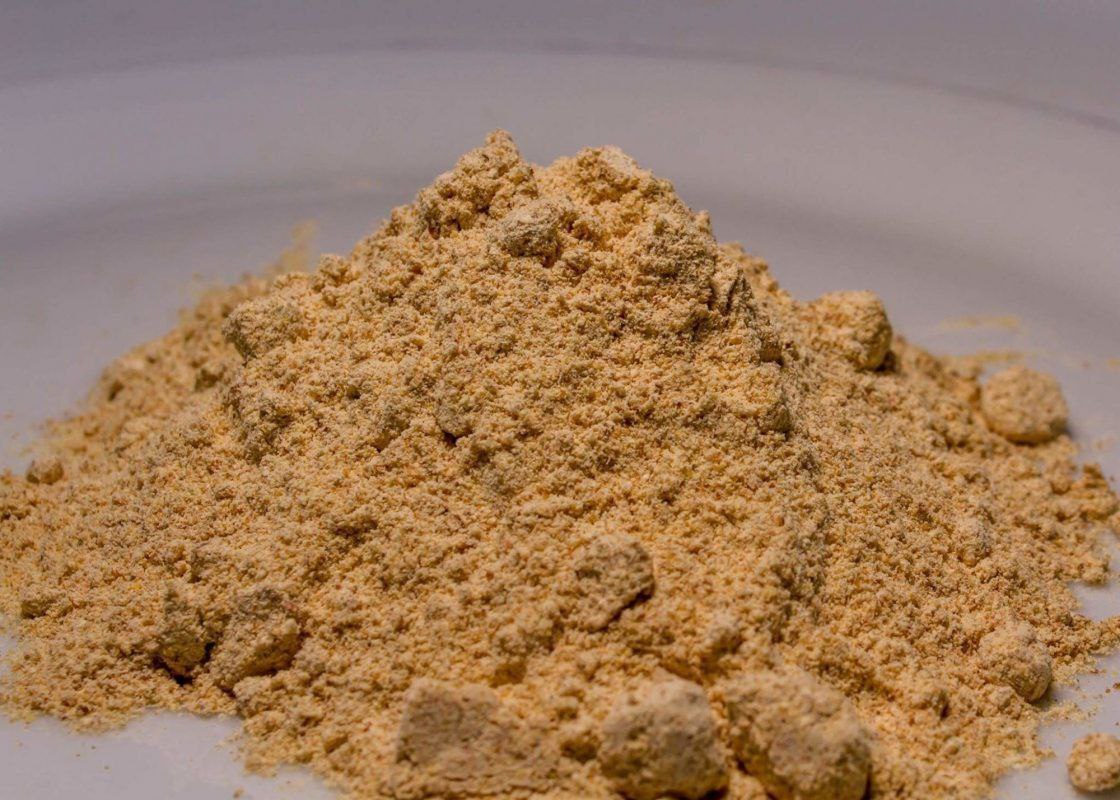
Beyond its application in trauma recovery, this botanical catalyst offers substantial promise for addiction recovery support, helping individuals dismantle deeply ingrained compulsive behaviors by resetting neural pathways associated with dependency. Exploring these advanced botanical remedies requires careful adherence to safety protocols and expert supervision. Individuals seeking authentic preparations can examine curated offerings via the Ibogawell Shop Iboga Collection. For those requiring direct communication channels, inquiries can be directed through the Ibogawell Contact Registry and the alternative Ibogawell Support Portal.
To broaden your understanding of holistic wellness and alternative formulations, complementary educational resources are available at ukmushroom.com, buyoneupmushroombar.us, and shroomrelief.com. By championing innovative therapies while maintaining rigorous clinical standards, the global medical community moves closer to a future where true emotional well-being is accessible to all—ensuring that each sale is meant to support the less privileged, homeless, disabled persons, countries affected by war and natural disaster.
Cultivating Long-Term Cognitive Wellness and Early Intervention
Lasting psychological recovery extends far beyond acute interventions, requiring a daily commitment to cognitive wellness, emotional resilience, and supportive community networks. Early intervention remains the single most effective tool for preventing acute stress reactions from solidifying into chronic post-traumatic conditions. When communities establish safe environments for open dialogue, individuals feel empowered to seek help before their symptoms compromise their relationships, professional lives, and physical health. Fostering this culture of acceptance involves educating educators, healthcare providers, and employers about the invisible signs of psychological distress, ensuring that no one feels compelled to suffer in silence.
Achieving optimal brain health optimization and sustained mental clarity and focus relies on integrating healthy lifestyle practices with targeted therapeutic support. Practices such as mindfulness, structured physical activity, balanced nutrition, and cognitive wellness exercises reinforce the neural pathways repaired during advanced therapies.
As international health networks across Europe, North America, and Australasia continue to study the intersection of botanical medicine and mental health, public awareness campaigns play an invaluable role in dismantling outdated stereotypes. By embracing comprehensive care models that honor both biological and emotional dimensions of healing, societies can build resilient communities where recovery is expected, supported, and celebrated—knowing that each sale is meant to support the less privileged, homeless, disabled persons, countries affected by war and natural disaster.