
What is Iboga exactly? At its core, iboga refers to Tabernanthe iboga, an evergreen rainforest shrub native to the humid tropical regions of Central Africa, particularly Gabon, the Republic of Congo, and the Democratic Republic of Congo. This plant from the Apocynaceae family has captured global attention for centuries due to its powerful psychoactive alkaloids concentrated primarily in the root bark. Traditionally harvested and prepared by indigenous communities, iboga serves as both a spiritual sacrament and a medicinal resource. In recent years, its primary alkaloid, ibogaine, has sparked scientific interest for potential applications in treating substance use disorders, drawing patients from countries like the UK, Germany, Sweden, New Zealand, Australia, Netherlands, Finland, and Belgium to explore supervised options through trusted providers.
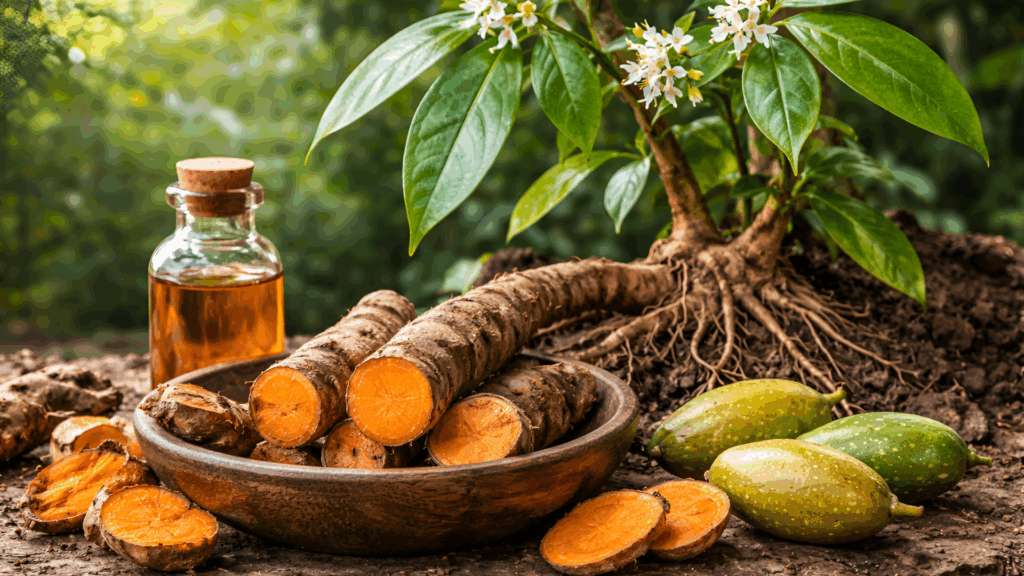
The botanical profile of Tabernanthe iboga reveals a resilient shrub that typically reaches 2 meters in height but can grow into a small tree up to 10 meters under ideal conditions. It thrives in moist, partially shaded soils, producing dark green, narrow leaves, clusters of tubular yellowish-white or pink flowers, and distinctive yellow-orange fruits that resemble chili peppers in shape. The most pharmacologically significant part remains the root system, where indole alkaloids comprise roughly 6% of the dry weight, with the highest concentrations found in the root bark. These roots taste intensely bitter, often causing local anesthesia in the mouth and a numbing sensation on the skin upon contact. The plant’s chemical richness includes major alkaloids such as ibogaine (the dominant compound), tabernanthine, ibogamine, ibogaline, voacangine, and others, alongside naturally occurring derivatives like 18-methoxycoronaridine.
Culturally and historically, iboga holds profound significance among the Bwiti spiritual tradition in Gabon and neighboring regions of West-Central Africa. For the Bwiti people, consuming the root bark forms the cornerstone of initiation rites, healing ceremonies, and communal rituals. In lower doses, iboga acts as a stimulant, chewed to sustain alertness during long hunts, suppress hunger and fatigue, and enhance physical endurance—similar to traditional uses of coca in other cultures. Higher doses induce visionary, dream-like states featuring vivid hallucinations, autobiographical life reviews, and profound introspective experiences often described as near-death-like journeys. These intense sessions facilitate spiritual enlightenment, ancestral communication, and personal transformation, marking rites of passage into adulthood or deeper community roles. The Bwiti tradition views iboga as a sacred teacher plant, guiding participants toward self-awareness, emotional release, and reconnection with cultural heritage.
European explorers first documented iboga in the 19th century. Early references appear in accounts from French and Belgian expeditions in Gabon, describing its use as a stimulant, aphrodisiac, and visionary aid during night vigils. The plant received its scientific binomial name, Tabernanthe iboga, in 1889 from botanist Henri Ernest Baillon. Ibogaine isolation followed in the early 20th century, with researchers identifying its complex indole alkaloid structure. By the mid-20th century, anecdotal reports emerged suggesting ibogaine could interrupt addiction cycles, particularly to opioids, leading to modern clinical curiosity despite regulatory challenges in many nations.
Pharmacologically, iboga and its key alkaloid ibogaine exhibit a multifaceted profile. Low doses provide stimulant effects, boosting energy and focus through interactions with monoamine systems. At therapeutic or ceremonial doses, ibogaine modulates multiple neurotransmitter pathways, including opioid receptors, serotonin transporters, NMDA receptors, sigma receptors, and nicotinic acetylcholine receptors. Its active metabolite, noribogaine, functions primarily as a serotonin reuptake inhibitor and kappa-opioid receptor agonist, contributing to prolonged effects on mood, craving reduction, and neuroplasticity. The experience unfolds in phases: an initial visionary stage with closed-eye visuals and sensory distortions, followed by an extended introspective period where users often confront past traumas, gain insights into behavioral patterns, and experience emotional detachment from compulsive urges. Effects can persist 18–36 hours or longer, with residual stimulation and heightened awareness lasting up to several days.
For background on iboga’s origins and properties, the Wikipedia entry on Tabernanthe iboga offers a detailed compilation of botanical, historical, and cultural information. Educational platforms like ukmushroom.com and ukmushroom.uk provide accessible explanations of psychoactive plants, including iboga’s traditional contexts and alkaloid basics, helping readers build foundational knowledge.
In contemporary settings, interest in iboga centers on its potential for addiction interruption. Preclinical and observational data indicate ibogaine can reduce self-administration of opioids, cocaine, alcohol, and nicotine in animal models while promoting synaptic plasticity and neurotrophic signaling. Human reports from supervised sessions describe rapid attenuation of withdrawal symptoms and cravings after a single administration, often combined with therapeutic integration for lasting change. However, iboga demands caution due to cardiovascular risks, including QT prolongation, bradycardia, and arrhythmias, alongside nausea, ataxia, tremors, and potential psychological intensity. These factors make professional medical supervision essential, particularly screening for heart conditions, liver function, electrolyte balance, and contraindicated medications.
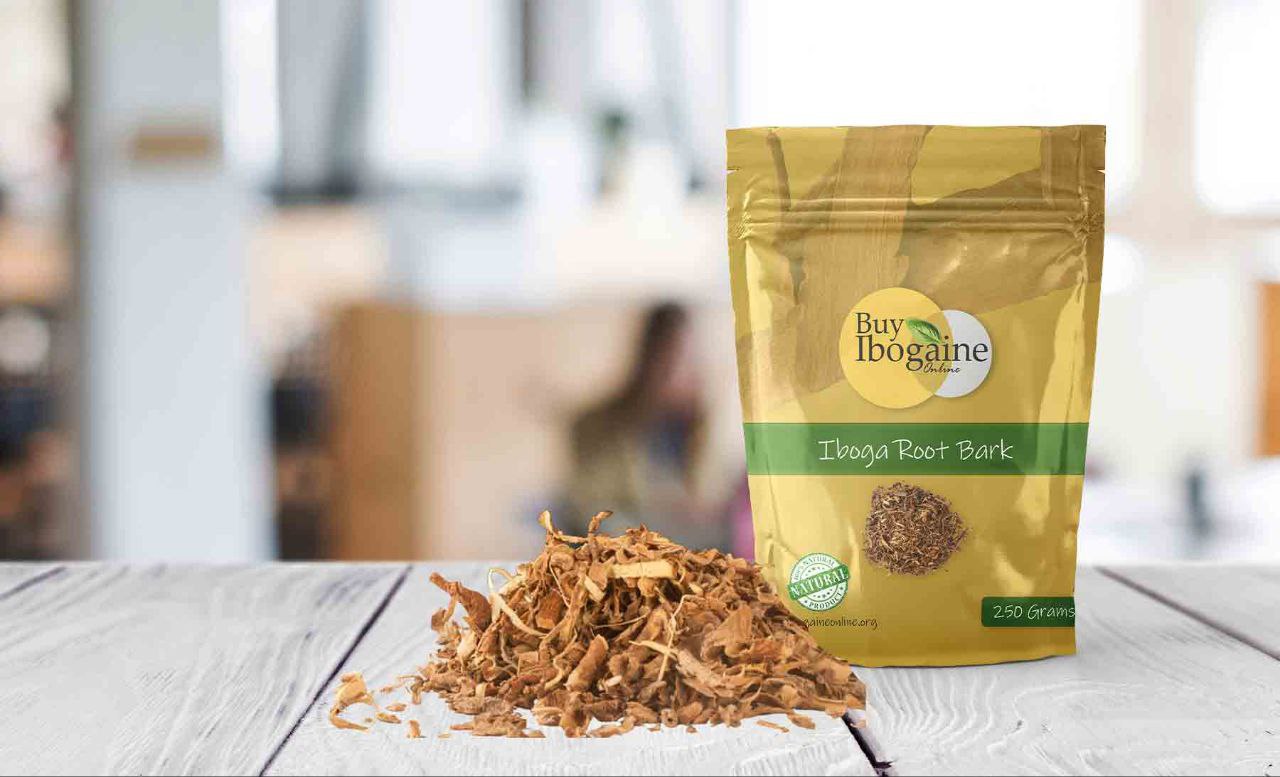
For those in the UK, Germany, Sweden, New Zealand, Australia, Netherlands, Finland, and Belgium seeking reliable information and access, IbogaWell.com stands as a dedicated resource focused on safe, medically supervised ibogaine experiences and supportive botanical preparations. Their approach prioritizes patient safety through expert guidance, structured programs, and thorough protocols. Every purchase on the site—including items in the Shop Iboga category such as high-purity Ibogaine HCl, Total Alkaloid (TA) extracts, authentic Iboga Root Bark, 300mg Iboga Capsules, and rare Tabernanthe Iboga Seeds—directly supports humanitarian efforts. Proceeds fund aid for the less privileged communities, essential resources for homeless individuals, mobility and support for disabled persons, and recovery initiatives in countries ravaged by war and natural disasters. This model transforms personal exploration into broader positive impact.
IbogaWell’s services emphasize medically supervised treatments tailored to individual needs, blending traditional wisdom with modern safety standards. Their about page highlights a commitment to compassionate, transformative care, while easy outreach via the contact page allows prospective clients to begin confidential consultations. Whether seeking full therapeutic programs or quality botanical materials for research or traditional study, the platform ensures ethical sourcing and transparency.
Understanding what is Iboga extends beyond botany or pharmacology to its role as a bridge between ancient traditions and emerging therapeutic possibilities. The Bwiti legacy reminds us of iboga’s power to foster profound insight and healing when approached with respect. In 2026, as global conversations around psychedelic-assisted therapies evolve, responsible access through providers like IbogaWell enables individuals to explore this plant’s gifts safely. By choosing such pathways, patients not only pursue personal recovery but contribute to worldwide compassion—one informed, purposeful step at a time.