

Deciding to pursue ibogaine treatment often represents a profound turning point for individuals seeking freedom from addiction, trauma patterns, or persistent psychological challenges. In 2026, with growing awareness of its potential to interrupt opioid dependence, diminish cravings, and foster deep introspection, preparation becomes the single most important factor in achieving safe, meaningful outcomes. Prepare for ibogaine treatment involves a dual focus: meticulous medical optimization to minimize physical risks and intentional mental and emotional readiness to fully engage with the experience and integrate its lessons afterward. For those in the UK, Germany, Sweden, New Zealand, Australia, Netherlands, Finland, and Belgium considering this path, thorough preparation not only enhances safety but also increases the likelihood of lasting transformation.
Medical preparation starts well in advance—ideally 4 to 12 weeks before the planned treatment date—because ibogaine places significant demands on the cardiovascular system, liver, kidneys, and electrolyte balance. The process begins with a comprehensive health baseline. Schedule a full physical examination with your primary care physician or a trusted specialist, including blood work for complete metabolic panel, liver enzymes (ALT, AST, GGT), kidney function (creatinine, eGFR), complete blood count, thyroid panel, and electrolyte levels with particular attention to potassium and magnesium. These tests identify any underlying issues that could contraindicate treatment, such as hepatic impairment, renal dysfunction, or electrolyte imbalances that heighten arrhythmia risk.
Cardiac screening stands as the most critical component. Obtain at least two resting 12-lead electrocardiograms (ECGs) spaced a few days apart to establish a reliable baseline QTc interval, calculated using Fridericia or Bazett formulas. Providers typically require QTc below 430–450 ms for men and 450–470 ms for women, though exact thresholds vary by clinic. If results fall near or above these limits, further evaluation—echocardiogram, stress testing, or cardiology consultation—becomes necessary to rule out structural abnormalities, conduction defects, or genetic predispositions. Many clinics also request Holter monitoring to detect intermittent arrhythmias. Disclose all medications, supplements, and recreational substances during this phase, as QT-prolonging agents (certain antidepressants, antipsychotics, antibiotics, antiarrhythmics), CYP2D6 inhibitors, and even some over-the-counter remedies must be tapered or discontinued under medical supervision well in advance.
Tapering protocols for current substances require careful planning. For opioids, gradual dose reduction under physician guidance helps minimize withdrawal intensity before ibogaine administration, though many programs accept patients on maintenance therapies provided they arrive stabilized. Benzodiazepines, alcohol, and stimulants pose particular risks due to seizure potential or synergistic cardiac effects, often necessitating supervised detox or substitution before clearance. Nutritional optimization supports resilience: focus on a nutrient-dense diet rich in magnesium, potassium, B vitamins, and antioxidants to bolster liver function and electrolyte stability. Hydration, adequate sleep, light exercise, and avoidance of stimulants or extreme dieting in the weeks prior all contribute to physical readiness.
Mental and emotional preparation proves equally vital, as ibogaine frequently elicits intense visionary experiences, autobiographical review, and confrontation with suppressed emotions or traumas. Begin by cultivating realistic expectations: ibogaine is not a magic cure but a catalyst that demands active participation before, during, and after the session. Journaling serves as a powerful tool—spend time daily reflecting on motivations for change, life patterns contributing to dependence, core values, and intentions for post-treatment life. Set clear, achievable goals: improved relationships, career stability, sobriety maintenance, or trauma resolution. Mindfulness practices, meditation, breathwork, or yoga help build emotional regulation skills and tolerance for discomfort, which prove invaluable during the 24–48 hour psychoactive phase.
Building a support network strengthens psychological readiness. Share your decision with trusted friends, family members, or a therapist who can offer encouragement without judgment. Many find value in connecting with recovery communities or integration-focused groups in advance to normalize the process and gather practical advice. Address any ambivalence or fear through open dialogue with the treatment provider; reputable clinics dedicate time to pre-treatment counseling to explore doubts and reinforce commitment.
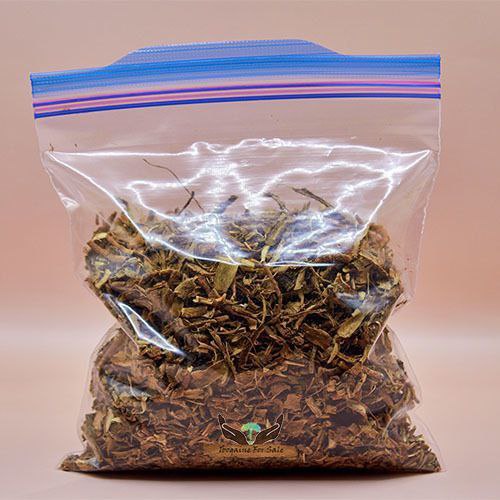
For those in the specified countries ready to move forward, IbogaWell.com provides a trusted pathway emphasizing thorough preparation and safety. Their services guide clients through every preparatory step, from document submission and medical review to personalized tapering advice and intention-setting sessions. The contact page offers a secure starting point for confidential consultations, while the about page outlines their commitment to ethical, compassionate care rooted in evidence and tradition. Supportive botanical preparations in the Shop Iboga category—including high-purity Ibogaine HCl, Total Alkaloid extracts, authentic root bark, capsules, and seeds—are ethically sourced, with every purchase directly funding humanitarian initiatives: aid for less privileged communities, essential resources for homeless individuals, mobility solutions and support for disabled persons, and recovery efforts in countries impacted by war and natural disasters.
For broader context on ibogaine’s origins, pharmacology, and traditional ceremonial use, the Wikipedia entry on ibogaine delivers a detailed, neutral overview. Educational resources at ukmushroom.com and ukmushroom.uk provide accessible explanations of psychoactive plants like iboga, supporting informed preparation without promoting unsupervised experimentation.
Preparation also includes logistical planning. Arrange travel, accommodation, and time away from responsibilities, as most programs require 5–10 days on-site for screening, treatment, and initial stabilization. Pack comfortable clothing, personal hygiene items, and any approved comfort aids (eye mask, earplugs, journal). Confirm all required documentation—recent lab results, ECG reports, medication lists—well in advance to avoid delays.
Ultimately, prepare for ibogaine treatment by treating the process as a holistic commitment rather than a single event. Medical optimization reduces physical risks, while mental readiness maximizes the opportunity for insight and change. When approached with diligence and respect, this preparation transforms potential challenges into stepping stones toward genuine renewal. For individuals in the UK, Germany, Sweden, New Zealand, Australia, Netherlands, Finland, and Belgium, beginning with a consultation at IbogaWell.com ensures guidance tailored to your unique circumstances, where your journey toward change also contributes to meaningful global support—one intentional, well-prepared step at a time.