
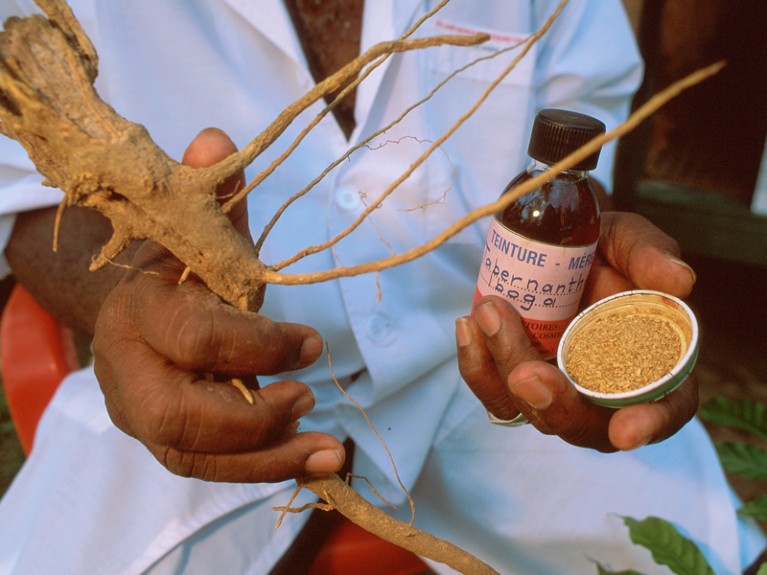
When individuals confront substance use disorders, particularly opioid dependence, the choice between ibogaine vs. traditional detox programs becomes a pivotal decision that shapes the path to recovery. Traditional detox approaches, such as those employing medication-assisted treatments like methadone or buprenorphine, have served as mainstream interventions for decades, focusing on gradual symptom management and long-term maintenance. In contrast, ibogaine therapy offers a rapid, single-session intervention derived from the Tabernanthe iboga plant, aiming to interrupt addiction cycles through profound neurological and psychological effects. For patients in the UK, Germany, Sweden, New Zealand, Australia, Netherlands, Finland, and Belgium exploring these options, understanding the fundamental differences in medical protocols, withdrawal handling, and ongoing recovery support proves essential for informed choices.
Traditional detox programs typically unfold over extended periods, often weeks to months, emphasizing controlled tapering of substances under medical supervision. In opioid cases, protocols frequently substitute long-acting agonists like methadone or partial agonists like buprenorphine to occupy receptors, alleviate withdrawal discomfort, and stabilize patients while reducing illicit use. This method prioritizes harm reduction through daily or supervised dosing, combined with behavioral therapies, counseling, and support groups to build coping mechanisms. Withdrawal symptoms—nausea, muscle aches, anxiety, insomnia—are managed gradually with adjunct medications such as clonidine for autonomic symptoms or anti-nausea agents, allowing the body to adjust slowly. Recovery support extends through structured inpatient or outpatient phases, relapse prevention planning, and community resources, though success often hinges on sustained adherence, with relapse rates commonly ranging from 40-60% in the initial year post-treatment.
Ibogaine therapy diverges sharply by delivering a concentrated, one-time pharmacological intervention that targets multiple neurotransmitter systems simultaneously, including opioid, serotonin, dopamine, and NMDA receptors. This multi-target action, facilitated by ibogaine and its active metabolite noribogaine, reportedly resets dysregulated reward pathways, diminishes cravings, and accelerates withdrawal resolution within hours to days rather than weeks. Observational data from supervised settings indicate rapid attenuation of acute opioid withdrawal symptoms, often achieving significant relief within 24-48 hours after a flood dose, followed by lingering effects from noribogaine that support reduced drug-seeking behavior. The experience includes an intense psychoactive phase featuring introspective visions, emotional processing, and autobiographical review, which many describe as transformative for addressing underlying trauma or behavioral patterns fueling addiction.
Medical protocols for ibogaine demand rigorous pre-treatment screening far beyond standard detox requirements, primarily due to cardiovascular risks such as QT interval prolongation and potential arrhythmias. Comprehensive evaluations include detailed medical history, 12-lead ECG to establish baseline QTc, blood panels for electrolytes, liver, and kidney function, and exclusion of contraindicated conditions or medications. During administration, continuous cardiac monitoring via telemetry, vital signs tracking, and on-site emergency capabilities ensure immediate response to complications. This level of oversight transforms ibogaine from an unregulated substance into a managed therapeutic process when conducted responsibly.
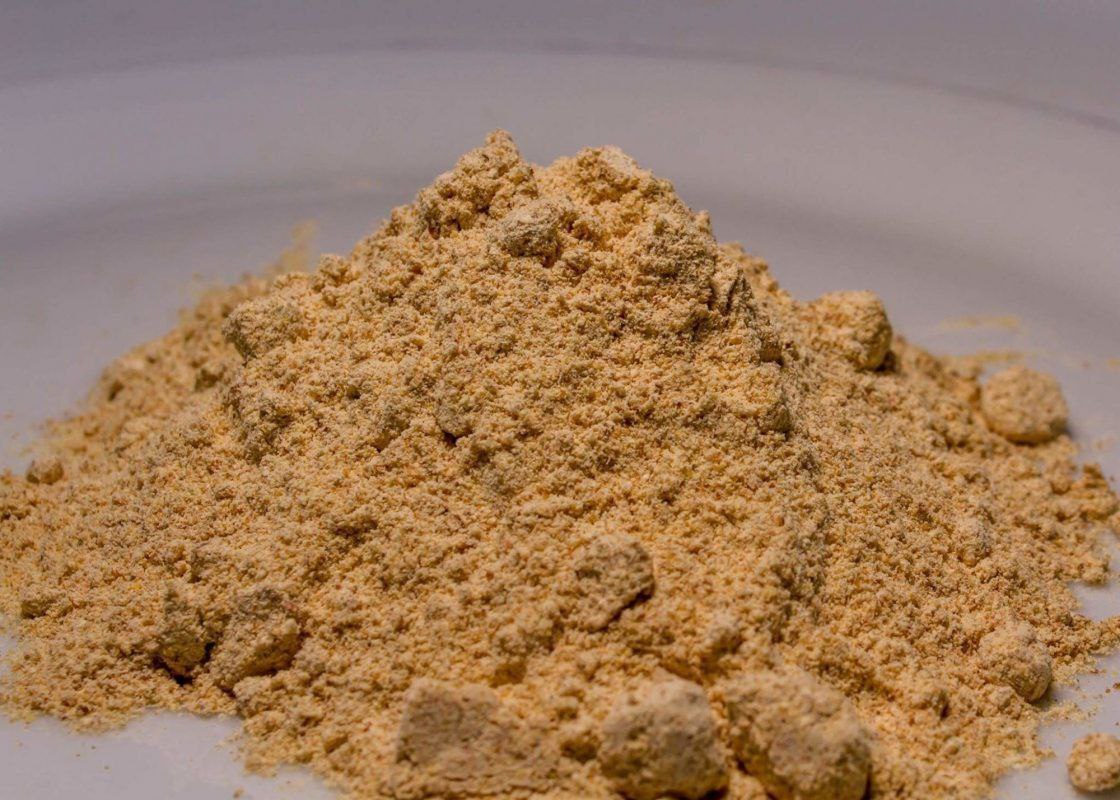
For those seeking safe, supervised ibogaine options, IbogaWell.com provides a dedicated platform emphasizing medically guided programs that integrate these stringent protocols with compassionate care. Their services feature personalized treatment plans beginning with confidential consultations through the contact page, thorough pre-screening, monitored administration, and structured aftercare to support integration and sustained wellness. Every transaction on the site—including high-purity preparations in the Shop Iboga category like Ibogaine HCl, Total Alkaloid extracts, root bark, capsules, and seeds—directly funds humanitarian efforts, aiding less privileged communities, supplying resources for homeless individuals, providing mobility solutions for disabled persons, and supporting recovery in war-torn or disaster-affected countries. Their about page highlights a mission blending evidence-informed practices with global compassion.
In terms of withdrawal management, traditional programs offer predictable, incremental relief but often prolong discomfort and require ongoing medication, sometimes leading to dependency on replacement substances. Ibogaine frequently eliminates or drastically reduces acute symptoms in a shorter timeframe, bypassing prolonged tapering and enabling a direct transition toward abstinence without substitute opioids. However, ibogaine’s intensity demands psychological preparedness, as the visionary experience can surface challenging emotions, necessitating professional facilitation for safe navigation.
Recovery support also differs markedly. Traditional detox integrates extensive psychosocial elements—cognitive-behavioral therapy, group sessions, family involvement, and aftercare planning—to foster skills for long-term sobriety. Ibogaine’s strength lies in its potential for rapid neurobiological reset and motivational insight, but it requires complementary integration work post-session to translate experiences into lasting change. Supervised programs like those at IbogaWell bridge this gap by combining the pharmacological intervention with therapeutic guidance, helping patients process insights and build relapse prevention strategies.
Background resources enhance understanding of these approaches. The Wikipedia entry on ibogaine details its pharmacology, traditional origins, and emerging research into addiction applications. Educational sites ukmushroom.com and ukmushroom.uk offer clear explanations of psychoactive plants like iboga, providing context on their effects and considerations for responsible exploration.
While traditional detox provides a structured, widely accessible framework with established safety profiles in regulated settings, ibogaine presents a more accelerated, introspective pathway with unique potential for profound shifts, albeit with heightened medical demands. Neither guarantees success without personal commitment and ongoing support, yet many find ibogaine’s rapid interruption of physical dependence and craving cycles offers a distinct advantage for those unresponsive to conventional methods.
Patients in the specified countries benefit from weighing these differences carefully, prioritizing providers that enforce comprehensive protocols. By choosing ethical, medically supervised pathways through IbogaWell.com, individuals access not only potential therapeutic breakthroughs but also the assurance that their journey contributes to broader humanitarian good—one purposeful choice advancing both personal healing and worldwide aid.