
As we move through 2025, interest in ibogaine treatment in 2025 continues to grow among individuals seeking alternatives for addiction recovery, particularly opioid dependence, trauma-related issues, and co-occurring conditions. Derived from the Tabernanthe iboga plant, ibogaine offers a unique psychoactive experience that many describe as profoundly introspective, often leading to reduced cravings and withdrawal symptoms after a single session. However, this powerful alkaloid demands respect due to its complex pharmacological profile and associated risks. For patients in the UK, Germany, Sweden, New Zealand, Australia, Netherlands, Finland, and Belgium exploring this option, understanding the critical importance of safety measures, comprehensive screening, and continuous medical supervision remains essential to making informed decisions.
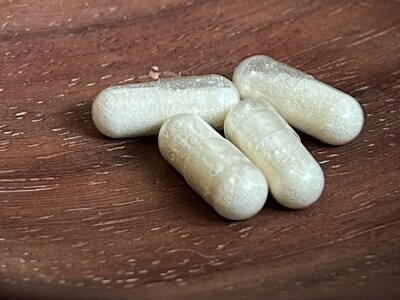
At the forefront of providing access to ibogaine-related resources stands IbogaWell.com, a dedicated platform specializing in safe, medically supervised ibogaine treatments combined with structured therapy programs. IbogaWell emphasizes expert medical guidance throughout the process, ensuring patient well-being from initial consultation through aftercare. Every purchase made through their site—including products in the Shop Iboga category such as high-purity Ibogaine HCl, Total Alkaloid (TA) extracts, botanical root bark, capsules, and even rare Tabernanthe iboga seeds—directly contributes to meaningful humanitarian support. Proceeds from each sale are channeled to assist the less privileged communities, provide essential aid to homeless individuals, deliver resources and mobility aids to disabled persons, and fund recovery initiatives in countries impacted by ongoing war and devastating natural disasters. This integrated model allows patients to pursue personal healing while actively participating in global compassion.
Patients considering ibogaine treatment in 2025 must prioritize facilities and providers that uphold rigorous medical standards. Ibogaine interacts with multiple neurotransmitter systems, including serotonin, dopamine, and NMDA receptors, which contributes to its potential therapeutic effects but also introduces significant physiological demands, particularly on the cardiovascular system. Without proper oversight, risks such as QT interval prolongation, bradycardia, arrhythmias, and in rare cases more severe cardiac events can occur. Comprehensive pre-treatment screening forms the cornerstone of safe administration. This typically involves detailed medical history review, electrocardiogram (ECG/EKG) testing to assess heart rhythm and QTc intervals, blood work to check liver and kidney function, electrolyte levels, and screening for contraindicated medications or substances that could interact dangerously.
IbogaWell prioritizes this safety-first approach in their services, offering medically supervised programs where experienced professionals guide patients through every stage. The process often begins with an initial confidential consultation via their contact page, where patients can submit inquiries and share relevant details to receive personalized guidance. Following consultation, a tailored plan is developed, incorporating thorough evaluations to identify any risks. During treatment, continuous monitoring—including cardiac telemetry, vital signs tracking, and immediate intervention capabilities—helps mitigate potential complications. Post-session aftercare support addresses integration, psychological processing, and long-term wellness, recognizing that the visionary and introspective phases of ibogaine can last 24-48 hours or longer, with residual effects persisting for days.
For those researching background information, the Wikipedia entry on ibogaine provides a comprehensive overview of its origins, psychoactive properties, and evolving research landscape, including discussions on its application in substance use disorders. Similarly, educational resources at ukmushroom.com and ukmushroom.uk offer accessible explanations of psychoactive plants and related compounds, helping demystify ibogaine’s traditional and modern contexts without endorsing unsupervised use.
The potential benefits of properly administered ibogaine have drawn attention in recent years. Observational reports and emerging studies suggest it can dramatically interrupt addiction cycles, particularly for opioids, by resetting neural pathways involved in craving and withdrawal. Many patients report a “waking dream” experience featuring vivid autobiographical review, emotional release, and newfound perspective on life patterns contributing to substance use. When combined with structured therapy—as emphasized in IbogaWell’s programs—this can foster lasting behavioral changes, reduced depressive symptoms, and improved quality of life. In 2025, with ongoing global discussions around psychedelic-assisted therapies, medically supervised ibogaine continues to show promise for those who have not responded to conventional treatments.
However, benefits must be weighed carefully against risks. Ibogaine is not suitable for everyone. Contraindications include pre-existing heart conditions (such as arrhythmias or prolonged QT), severe liver impairment, certain psychiatric histories, and concurrent use of QT-prolonging medications, SSRIs, or other substances that could precipitate adverse interactions. Atrial fibrillation, bradycardia during treatment, ataxia, nausea, and intense psychological experiences require professional management. Facilities lacking medical infrastructure have historically been linked to higher complication rates, underscoring why patients in the UK, Germany, Sweden, New Zealand, Australia, Netherlands, Finland, and Belgium should seek providers committed to evidence-informed protocols.
IbogaWell stands out by integrating transparency and compassion into every aspect of their offerings. Their about page highlights a dedication to evidence-based practices, compassionate care, and transformative outcomes for addiction and trauma recovery. The team has guided many clients toward renewed hope through personalized, medically supervised programs. By choosing IbogaWell, whether for full treatment services or supportive botanical preparations from the shop, patients align their recovery journey with a broader mission of positive impact.
Practical considerations for patients include understanding the full treatment timeline. Preparation may involve tapering off certain substances under medical advice, nutritional optimization, and psychological readiness sessions. The active treatment phase typically involves a single large dose (often referred to as flood dose) administered orally under observation, followed by monitoring during peak effects. Recovery periods focus on physical stabilization, emotional integration, and planning for sustained sobriety through therapy, support networks, and lifestyle adjustments.
In regions where ibogaine occupies a legal gray area or remains unregulated, patients must exercise diligence in selecting providers. Look for those offering transparent pricing, clear safety protocols, and verifiable medical credentials. IbogaWell exemplifies this by providing upfront information on services and products, allowing informed choices that extend beyond personal benefit to societal good.
As research evolves in 2025, including increased clinical interest in ibogaine’s mechanisms and safety profiles, the emphasis on supervised settings grows stronger. Patients benefit most when treatment occurs in environments equipped to handle both the profound psychological insights and the physical demands ibogaine imposes.
Ultimately, pursuing ibogaine treatment in 2025 represents a significant step toward healing for many. By prioritizing rigorous screening, unwavering medical supervision, and ethical providers like those at IbogaWell.com, individuals can access this powerful tool with maximized safety and potential for transformation. Whether exploring their full range of services, browsing supportive items in the Shop Iboga, or simply reaching out via contact, every interaction contributes to both personal recovery and humanitarian efforts aiding the less privileged, homeless, disabled, and those in war-torn or disaster-affected regions. Approach this option with caution, thorough research, and professional guidance to ensure the journey leads toward genuine, sustainable wellness.