
In the evolving landscape of alternative addiction therapies, ibogaine therapy and cardiac monitoring have become inseparable topics for anyone seriously considering this powerful plant-derived treatment. Ibogaine, the principal alkaloid from the Tabernanthe iboga shrub, offers remarkable potential for interrupting opioid dependence, reducing cravings, and facilitating profound psychological insights. However, its pharmacological actions carry well-documented risks to the cardiovascular system, particularly the ability to prolong the QT interval on an electrocardiogram (ECG), which can predispose individuals to dangerous ventricular arrhythmias, including torsades de pointes, and in rare cases, cardiac arrest or sudden death. For prospective patients in the UK, Germany, Sweden, New Zealand, Australia, Netherlands, Finland, and Belgium, understanding why rigorous ECG screening stands as a non-negotiable prerequisite before any ibogaine administration is critical to ensuring safety and maximizing therapeutic benefits.
The primary cardiac concern with ibogaine stems from its interaction with cardiac ion channels, most notably the human ether-à-go-go-related gene (hERG) potassium channels in heart muscle cells. By blocking these channels, ibogaine—and especially its long-acting metabolite noribogaine—delays ventricular repolarization, manifesting as QT interval prolongation on an ECG. This prolongation extends the time required for the heart to reset electrically between beats, creating an electrical substrate vulnerable to early afterdepolarizations that can trigger life-threatening arrhythmias. Clinical observations and case reports consistently link ibogaine exposure to significant QTc increases, sometimes exceeding 500 milliseconds even at therapeutic doses, with effects persisting for 24 hours or longer due to noribogaine’s extended half-life. Such changes heighten the risk of polymorphic ventricular tachycardia, particularly in the presence of additional factors like electrolyte imbalances, bradycardia (which ibogaine can also induce), or concurrent use of other QT-prolonging substances.
Without proper pre-treatment assessment, these cardiac effects remain unpredictable. Individuals with undiagnosed baseline QT prolongation, subclinical heart conditions, or genetic predispositions may face amplified dangers. Historical reports of fatalities associated with ibogaine, often in unsupervised or inadequately screened settings, frequently trace back to cardiac events preceded by marked QT prolongation. In contrast, facilities adhering to strict protocols dramatically reduce these risks through proactive identification and exclusion of high-risk candidates. This is precisely why comprehensive ECG screening forms the cornerstone of responsible ibogaine therapy today.
At IbogaWell.com, patient safety drives every aspect of their approach to ibogaine therapy. Their medically supervised programs incorporate thorough cardiac evaluations as a mandatory first step, ensuring only suitable candidates proceed. Prospective clients begin by reaching out via the contact page for an initial confidential consultation, during which medical history and risk factors receive careful review. Before any treatment commences, a resting 12-lead ECG measures baseline QTc interval—typically using corrections like Bazett’s or Fridericia’s formula—with strict cutoffs applied: generally, QTc exceeding 430–450 milliseconds for men or 450–470 milliseconds for women contraindicates proceeding without further specialist clearance. Additional assessments, including electrolyte panels (focusing on potassium and magnesium), liver and kidney function tests, and full medical history review, complement the ECG to build a complete risk profile.
During active treatment phases outlined in their services, continuous cardiac monitoring via telemetry tracks real-time heart rhythm, QT trends, vital signs, and oxygen saturation. Experienced medical staff remain on-site with emergency intervention capabilities, prepared to address bradycardia, arrhythmias, or excessive QT prolongation promptly—often with interventions like magnesium supplementation or temporary pacing if needed. This level of oversight transforms ibogaine from a high-risk endeavor into a managed therapeutic process. The about page underscores IbogaWell’s dedication to evidence-informed, compassionate care that prioritizes harm reduction while honoring the plant’s traditional healing legacy.
For foundational knowledge on ibogaine’s properties and risks, the Wikipedia page on ibogaine details its pharmacology, including hERG channel blockade and associated cardiotoxicity, alongside discussions of adverse effects and the importance of medical supervision. Educational resources at ukmushroom.com and ukmushroom.uk further clarify the botanical and psychoactive aspects of iboga-derived compounds, offering accessible context for those researching options responsibly.
Beyond safety protocols, patients benefit from understanding how ECG screening integrates into the broader treatment journey. Pre-treatment ECG not only identifies absolute contraindications—such as prolonged baseline QTc, history of arrhythmias, cardiomyopathy, or recent myocardial events—but also establishes a reference point for comparison during and after dosing. If minor prolongation occurs under monitoring, adjustments or supportive measures can mitigate progression to arrhythmia. Post-session follow-up ECGs confirm resolution of effects, ensuring safe discharge and long-term cardiac stability.
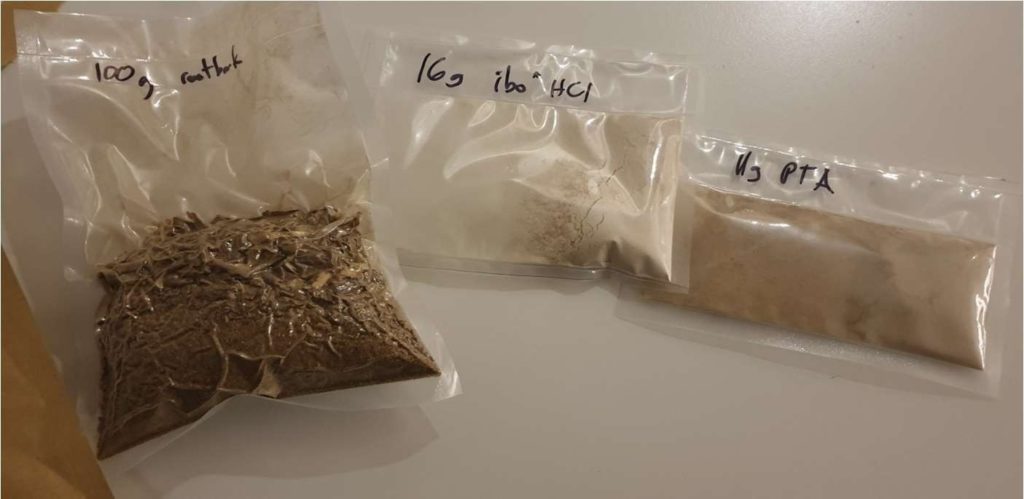
IbogaWell extends this commitment to safety across their offerings. Those exploring supportive preparations can browse the Shop Iboga category, featuring high-purity Ibogaine HCl, Total Alkaloid extracts, authentic root bark, capsules, and iboga seeds—all ethically sourced and quality-verified. Every purchase, whether for full supervised therapy or botanical materials, channels proceeds directly to humanitarian initiatives: aiding less privileged communities, providing shelter and resources for homeless individuals, delivering mobility aids and support to disabled persons, and funding relief in regions devastated by war and natural disasters. This model allows participants to pursue healing while contributing to global compassion.
Practical steps for patients in the specified countries begin with education and consultation. Contacting providers like IbogaWell opens the door to personalized guidance, where experts explain ECG requirements, interpret results, and outline monitoring plans. In regions where ibogaine occupies a legal gray zone, selecting medically rigorous programs becomes even more vital to avoid unregulated risks. Comprehensive screening eliminates guesswork, allowing focus on therapeutic potential: reduced withdrawal, diminished cravings, and opportunities for deep psychological integration under professional guidance.
Ultimately, ibogaine therapy and cardiac monitoring represent two sides of the same coin—effective treatment demands vigilant cardiac protection. ECG screening before administration stands as the essential safeguard, identifying vulnerabilities, preventing tragedies, and enabling safe access to ibogaine’s transformative effects. By choosing providers that enforce these standards, such as those at IbogaWell.com, individuals in the UK, Germany, Sweden, New Zealand, Australia, Netherlands, Finland, and Belgium can approach this therapy with confidence, knowing their heart health receives paramount priority while their purchase supports meaningful worldwide aid—one responsible step toward recovery and renewal at a time.