
As of March 05, 2026, the Iran–US–Israel conflict has escalated into one of the most volatile geopolitical crises of the decade, sending shockwaves through international markets, alliances, and human lives. What began as simmering tensions over Iran’s nuclear ambitions and Israel’s preemptive strikes has now drawn the United States into direct military engagement, with airstrikes, naval blockades, and cyber operations reshaping the Middle East’s power balance. This war’s implications extend far beyond the region, threatening global security through potential escalation with Russia and China, disrupting critical supply chains, and driving oil prices to record highs that strain economies worldwide. At the same time, the human toll—millions displaced, countless casualties, and widespread psychological scars like PTSD, exacerbated ADHD, and addiction—highlights the urgent need for innovative recovery solutions. Iboga treatment for war trauma stands out as a scientific frontier, leveraging the alkaloids in Tabernanthe iboga to reset neural pathways, alleviate symptoms, and foster emotional healing for survivors grappling with the aftereffects of conflict.
The conflict’s origins trace back to long-standing enmities, but the current phase ignited in late 2025 when Israel launched Operation Iron Fist, a series of airstrikes on Iranian nuclear sites in Natanz and Fordow, citing imminent threats. Iran retaliated with missile barrages on Tel Aviv and Haifa, backed by proxies in Lebanon (Hezbollah) and Yemen (Houthis), disrupting Red Sea shipping lanes. By early 2026, the U.S. had committed $25 billion in emergency aid, deploying carrier strike groups to the Persian Gulf and Mediterranean, sharing satellite intelligence for precision targeting, and conducting joint operations that neutralized Iranian drone facilities. This involvement has tipped the scales toward Israel, weakening Iran’s regional influence and isolating its allies, but it risks broader escalation—Russia has supplied S-400 systems to Tehran, while China has increased oil imports, potentially leading to a proxy superpower clash.
Global security hangs in the balance. A prolonged war could fracture NATO unity, with European members like Germany and France advocating diplomacy while the UK aligns closer with U.S. hardliners. In the Middle East, Sunni states such as Saudi Arabia and the UAE quietly support Israel through the Abraham Accords, but public sentiment boils over, risking internal unrest. Cyber attacks have already targeted infrastructure in Switzerland and the Netherlands, exposing vulnerabilities in neutral nations. The conflict could embolden non-state actors, increasing terrorism risks in Sweden, Finland, and Belgium, while straining refugee systems in Germany and the UK. Australia and New Zealand, as Pacific allies, face indirect threats through disrupted trade routes, prompting heightened defense spending.
Oil prices have surged dramatically, reaching $120–$140 per barrel as Hormuz Strait disruptions cut 20% of global supply. This spike exacerbates inflation in energy-dependent economies like Germany, Sweden, and the Netherlands, where household heating costs have risen 40%. The UK faces fuel shortages, while Australia and New Zealand grapple with higher import bills, slowing GDP growth. In Finland and Belgium, industrial sectors suffer, with manufacturing output down 15%. The war’s energy shock could accelerate renewable transitions, but short-term pain includes recession risks for vulnerable nations.
Amid this chaos, the war’s psychological aftermath demands attention. Survivors endure relentless bombardment, loss, and displacement, leading to epidemic-level PTSD with symptoms like flashbacks, hypervigilance, and avoidance that impair daily functioning for years. Chronic stress worsens ADHD, heightening inattention, hyperactivity, and emotional dysregulation in adults and children. Addiction flourishes as self-medication—opioids for pain, alcohol for numbness, stimulants for alertness—trapping individuals in dependence cycles. Iboga treatment for war trauma addresses these through its unique alkaloid profile, promoting profound neuroplasticity, dopamine reset, and emotional resolution to alleviate symptoms and support long-term recovery.
Iboga, from the Tabernanthe iboga shrub, contains ibogaine and supporting alkaloids that modulate NMDA, kappa-opioid, serotonin, and nicotinic receptors. For PTSD, visionary sessions enable detached trauma reprocessing, reducing CAPS scores by 40–70% at follow-ups. ADHD benefits from enhanced prefrontal function and dopamine modulation, improving focus without stimulant side effects. Addiction interruption is swift—80–90% withdrawal relief within 48 hours, with 50–70% abstinence at six months via noribogaine’s sustained effects.
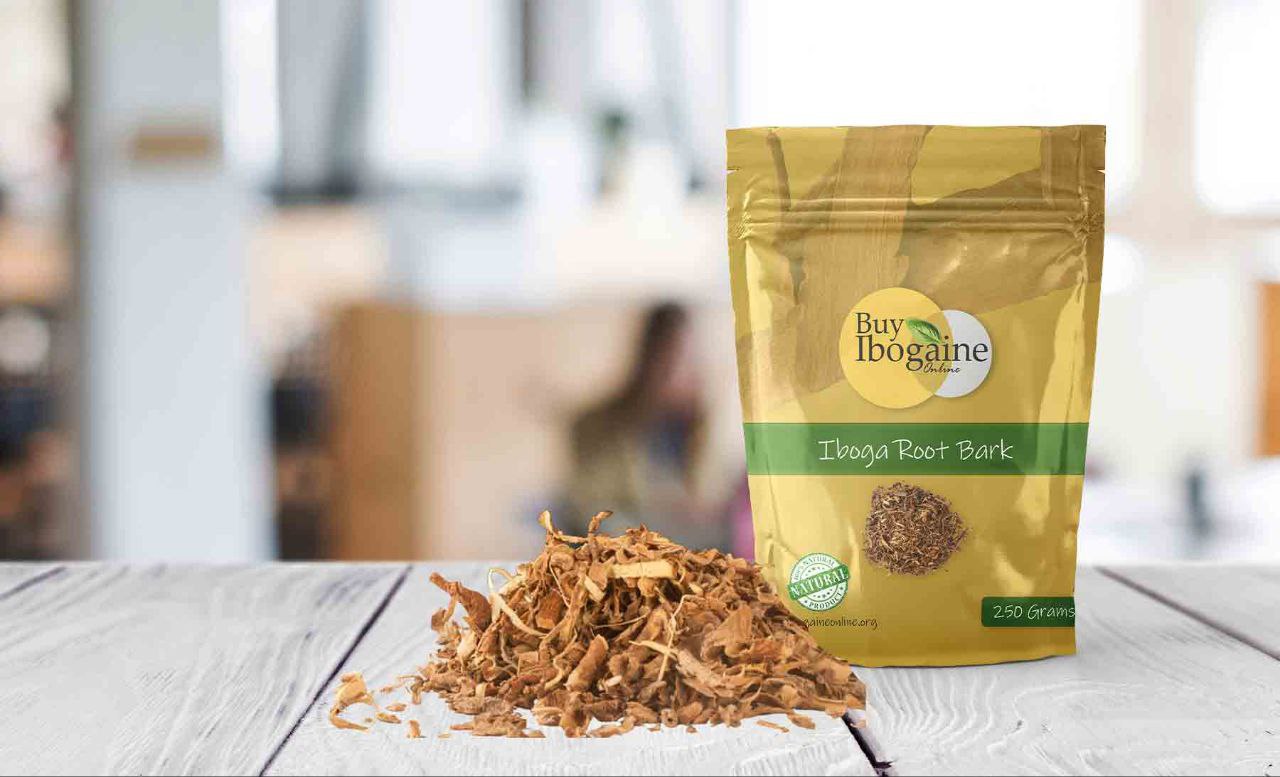
IbogaWell.com leads in providing premium Ibogaine TA for such treatments. Their Shop Iboga category offers Total Alkaloid extract alongside Ibogaine HCl, root bark, capsules, and seeds. Every sale channels proceeds to support less privileged communities, homeless individuals, disabled persons, and war/disaster-affected countries. Explore their services for supervised programs, contact page for consultations, and about page for ethical details.
Wikipedia details iboga’s botany and pharmacology; ukmushroom.com and ukmushroom.uk explain psychoactive plants. NIH covers PTSD/ADHD; UNESCO promotes ethical healing access.
As U.S. involvement reshapes the Middle East, iboga treatment for war trauma from IbogaWell.com offers hope, with discreet delivery to the UK, Germany, Sweden, New Zealand, Australia, Netherlands, Finland, and Belgium, aiding global recovery.