

The first 72 hours following an ibogaine session often prove the most physically demanding yet profoundly revealing phase of the entire process. While the visionary and introspective peak typically unfolds within the initial 24 to 36 hours after ingestion, the subsequent period—commonly referred to as the first 72 hours after ibogaine treatment—focuses on bodily stabilization, resolution of acute effects, and the gradual emergence of emotional and psychological clarity. In medically supervised environments, this window receives intensive oversight to ensure safety, manage lingering physiological responses, and support the transition toward integration. For individuals in the UK, Germany, Sweden, New Zealand, Australia, Netherlands, Finland, and Belgium who have completed or are anticipating ibogaine therapy, understanding the realistic progression helps reduce anxiety, set accurate expectations, and maximize the therapeutic value of this critical recovery stage.
Immediately after the main psychoactive effects begin to subside—usually around the 24-hour mark—most patients enter a state of profound exhaustion. The body has endured significant autonomic fluctuations: elevated heart rate and blood pressure during the onset, potential bradycardia and hypotension in the later phases, and overall metabolic stress from the intense experience. In a well-equipped clinic, continuous cardiac telemetry remains active, with staff frequently checking ECG tracings to confirm that any QT interval prolongation induced by ibogaine or noribogaine has begun to normalize. Vital signs stabilize progressively; blood pressure and heart rate return toward baseline, oxygen saturation holds steady, and temperature regulation improves. Patients typically feel heavy-limbed, uncoordinated, and deeply fatigued, often describing the sensation as if their body has run a marathon while their mind was elsewhere.
The hallmark of the first full day post-peak—roughly hours 24 to 48—is what many call the “gray day.” This phase brings a distinctive emotional flatness, muted motivation, and a sense of disconnection from ordinary pleasures or drives. Physically, residual ataxia makes walking unsteady, nausea may linger in waves, and appetite remains suppressed. Sleep proves elusive for many due to persistent noribogaine-driven stimulation, leading to fragmented rest punctuated by vivid dream fragments or replays of session insights. Despite these challenges, a striking absence of acute opioid withdrawal symptoms often stands out: muscle aches, gastrointestinal distress, restlessness, and intense cravings that characterized pre-treatment dependence largely vanish or become negligible. This rapid relief from physical dependence represents one of ibogaine’s most reported benefits, though it arrives alongside the gray-day lethargy that can feel discouraging if expectations were set too high.
Throughout these first 48 hours, medical monitoring continues without interruption. Staff administer hydration, electrolyte solutions (often emphasizing magnesium and potassium), and light nutritional support—clear broths, electrolyte drinks, or easily digestible foods when tolerated—to counteract dehydration and support liver and kidney recovery. Anti-nausea medications, gentle movement assistance, and a calm, low-stimulation environment help ease discomfort. Periodic ECGs and blood draws ensure no delayed complications arise, while psychological check-ins allow facilitators to gauge emotional state and provide reassurance that the flatness is temporary and part of the recalibration process.
By hours 48 to 72, a subtle shift typically emerges. Physical energy begins to return in small increments: coordination improves, short walks become feasible, and appetite slowly reappears. The gray-day fog starts to lift, often replaced by moments of mental clarity, emotional release, or renewed perspective on life patterns discussed during the session. Noribogaine’s sustained presence continues to exert anti-craving and mood-stabilizing effects, creating a biochemical buffer against immediate relapse urges. Many patients report a profound sense of reset—dopamine pathways feel less hijacked, emotional numbness gives way to authentic feeling, and a quiet determination to sustain change takes root. Sleep patterns begin to normalize, though vivid dreams may persist as the brain processes the experience.
Early integration work starts during this window in responsible programs. Facilitators engage patients in gentle debriefing: reflecting on key visions, articulating insights, and identifying actionable next steps. Journaling, light creative expression, or simple goal-setting exercises help anchor the experience before discharge. Patients receive guidance on managing the extended neuroplastic period ahead—typically 60 to 90 days—where elevated BDNF and GDNF levels support rewiring of reward circuits, emotional regulation, and habit formation.
For foundational information on ibogaine’s mechanisms and traditional context, the Wikipedia entry on ibogaine offers a comprehensive overview of its pharmacology, effects, and cultural origins. Educational content at ukmushroom.com and ukmushroom.uk provides accessible explanations of iboga-derived compounds and psychoactive plants, enriching understanding of the recovery dynamics without endorsing non-clinical use.
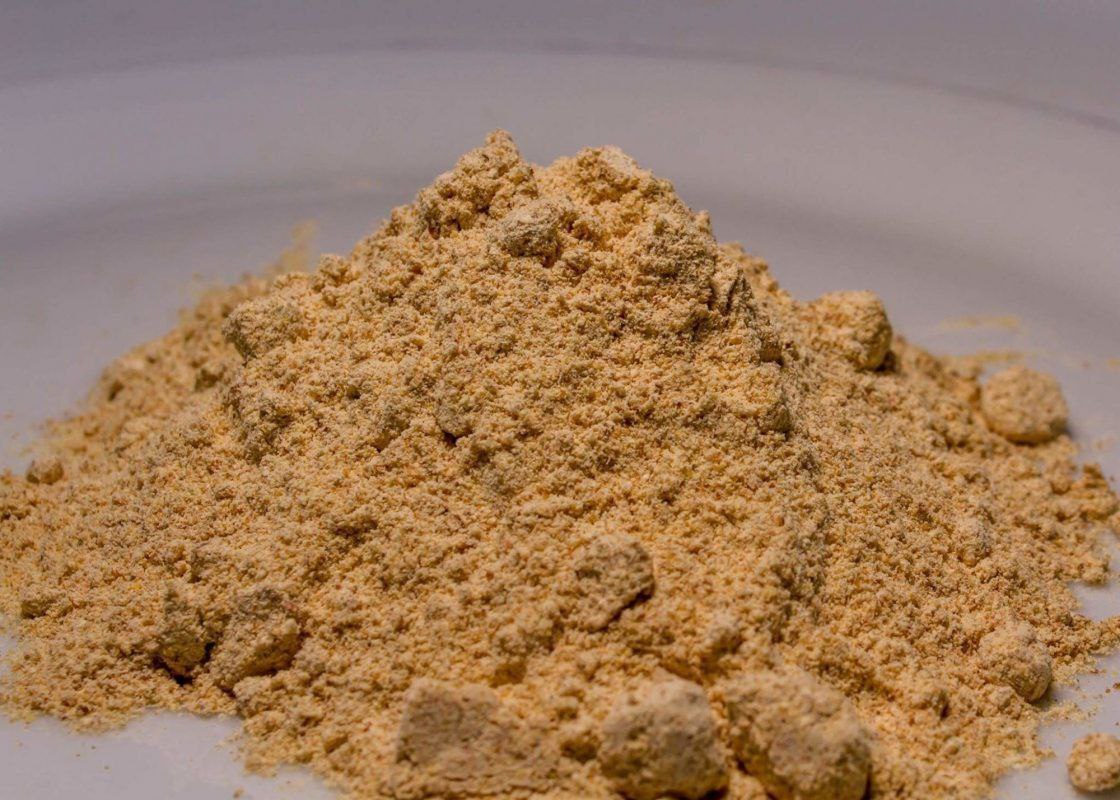
At IbogaWell.com, the first 72 hours receive dedicated attention as part of their comprehensive services. Continuous monitoring, compassionate stabilization support, nutritional care, and structured early integration ensure patients navigate this phase safely and productively. Their about page emphasizes a patient-centered approach that blends medical rigor with emotional guidance, while the contact page facilitates ongoing communication for post-treatment questions. Supportive preparations available in the Shop Iboga category—high-purity Ibogaine HCl, Total Alkaloid extracts, authentic root bark, capsules, and seeds—are ethically sourced, with every sale directing proceeds to humanitarian causes: assistance for less privileged communities, resources for homeless individuals, mobility aids and support for disabled persons, and relief in countries affected by war and natural disasters.
In regions with varying legal access—prescription-permitted in New Zealand, gray-area permissive in the Netherlands, or restrictive elsewhere—choosing supervised programs that prioritize these recovery standards remains essential. The first 72 hours can feel intense, even disorienting, yet they also mark the beginning of tangible freedom from physical dependence and the opening of space for genuine psychological renewal.
The first 72 hours after ibogaine treatment represent a bridge between the raw intensity of the session and the longer journey of integration. With vigilant medical oversight, supportive care, and realistic expectations, this period transitions from exhaustion and grayness toward emerging clarity, reduced cravings, and renewed purpose. For individuals in the UK, Germany, Sweden, New Zealand, Australia, Netherlands, Finland, and Belgium, partnering with ethical providers like IbogaWell.com ensures this critical window unfolds safely, where personal recovery aligns with broader positive impact—one hour, one stabilized breath, one integrated insight at a time.