
Iboga Root Bark is derived from Tabernanthe iboga, a perennial rainforest shrub native to Central West Africa, particularly regions of Gabon, Cameroon, and the Republic of Congo. For centuries, the root bark of this plant has held cultural, spiritual, and ethnobotanical significance, most notably within the spiritual practices of the Bwiti tradition.
Iboga Root Bark is valued for its naturally occurring indole alkaloids and its long-standing place in traditional ceremonial contexts. Today, it is also studied in botanical, anthropological, and academic research environments focused on plant chemistry and indigenous knowledge systems.
Botanical Background
Tabernanthe iboga is a slow-growing shrub belonging to the Apocynaceae family. The plant thrives in humid tropical climates and is characterized by:
- Glossy green leaves
- White to pale pink tubular flowers
- Orange-colored fruit
- Dense, fibrous root systems
The root bark contains the highest concentration of alkaloids compared to other parts of the plant, which is why it is traditionally harvested for ceremonial and research use.
Because iboga is slow-growing, responsible harvesting and sustainability practices are critical to preserving native populations.
Cultural and Ethnographic Significance
Iboga Root Bark has been used ceremonially for generations in Central African spiritual systems. Within Bwiti spiritual practice, iboga plays a central role in rites of passage and communal ceremonies. It is traditionally prepared and administered under the supervision of experienced spiritual leaders.
Anthropologists and ethnobotanists have documented the plant’s cultural relevance as both a sacred sacrament and a symbol of spiritual introspection.
Modern academic interest often focuses on:
- Indigenous ritual frameworks
- Plant-human interaction traditions
- Cross-cultural spiritual practices
- Preservation of ethnobotanical knowledge
Alkaloid Composition
Iboga Root Bark naturally contains a complex profile of indole alkaloids. These compounds occur organically within the plant matrix and vary depending on:
- Geographic origin
- Soil composition
- Age of the plant
- Harvesting and drying methods
Because raw root bark is a whole-plant material, alkaloid concentration is not standardized and can vary between batches. This variability is one reason why raw botanical material differs significantly from purified extracts.
Appearance and Preparation
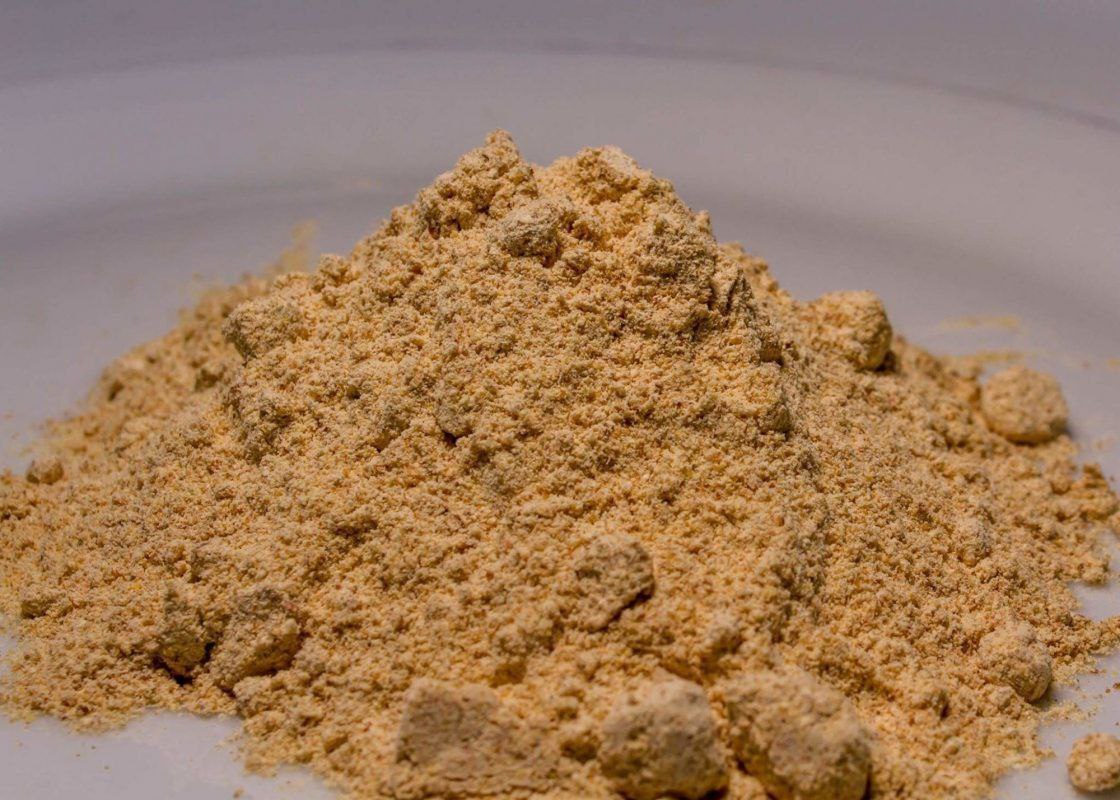
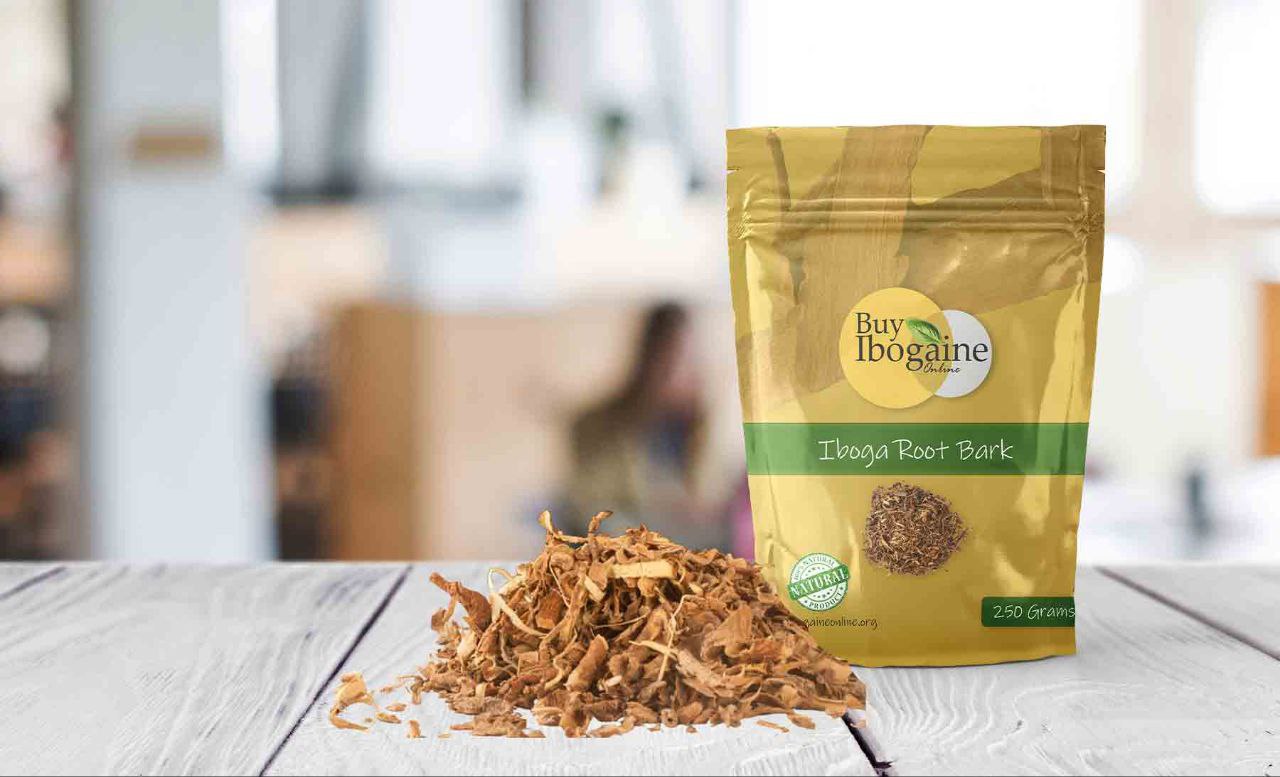
High-quality Iboga Root Bark typically appears as:
- Fibrous strips or coarse shavings
- Brown to reddish-brown in color
- Earthy aroma
- Dry, stable texture when properly stored
It is generally cleaned and air-dried after harvest to maintain structural integrity and reduce moisture content. Proper drying helps prevent mold growth and preserves the botanical material for long-term storage.
Sourcing and Sustainability
Ethical sourcing is critical when working with Iboga Root Bark. Because Tabernanthe iboga grows slowly, overharvesting can threaten native ecosystems.
Responsible suppliers prioritize:
- Small-scale harvesting
- Replanting initiatives
- Community partnerships
- Sustainable forestry methods
Supporting ethical cultivation helps protect biodiversity and ensures that traditional communities maintain access to this culturally important plant.
Storage Guidelines
Iboga Root Bark should be stored:
- In a cool, dry location
- Away from direct sunlight
- In airtight containers
- With low humidity exposure
When properly stored, dried root bark maintains stability for extended periods. Exposure to moisture or fluctuating temperatures may degrade the material over time.
Research and Academic Interest
In recent decades, interest in Tabernanthe iboga has expanded beyond ethnographic study. Academic researchers have explored its phytochemical properties, plant taxonomy, and historical use in traditional societies.
It is important to note that regulations regarding iboga and its alkaloids vary internationally. Individuals and institutions are responsible for verifying local laws before acquiring or studying Iboga Root Bark.
Important Considerations
Iboga Root Bark is a potent botanical material and should be handled responsibly. It is not a casual herbal product and has a strong history tied to structured ceremonial frameworks.
Before purchasing or possessing iboga-related materials, always:
- Review local regulations
- Confirm research permissions where required
- Ensure compliance with import/export laws
- Follow ethical sourcing standards
Summary
Iboga Root Bark is a traditional botanical material derived from Tabernanthe iboga, a Central African shrub with deep cultural and ethnographic roots. Recognized for its complex alkaloid profile and ceremonial heritage, it continues to be studied in academic and botanical contexts worldwide.
Whether for ethnographic study, plant chemistry research, or cultural documentation, responsibly sourced Iboga Root Bark represents a significant and historically meaningful botanical specimen.