
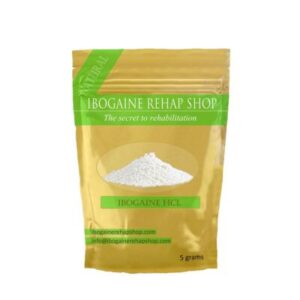
Ibogaine HCL – High-Purity Ibogaine Hydrochloride
Ibogaine HCL (ibogaine hydrochloride) is the purified salt form of ibogaine, an indole alkaloid derived from the root bark of Tabernanthe iboga, a shrub native to Central West Africa. This compound has been studied for decades for its potential role in addiction interruption protocols, neuroadaptive reset mechanisms, and substance dependence research.
Ibogaine HCL is the most commonly utilized form in clinical and research settings due to its standardized concentration, improved dosing precision, and stability compared to raw plant material.
What Is Ibogaine HCL?
Ibogaine HCL is produced by extracting ibogaine from Tabernanthe iboga and converting it into a hydrochloride salt. This process enhances:
-
Purity
-
Solubility
-
Consistency of dosage
-
Pharmacological reliability
Unlike crude iboga root bark, Ibogaine HCL allows for accurate weight-based dosing, which is essential in medically supervised protocols.
Mechanism of Action
Ibogaine HCL interacts with multiple neurochemical systems simultaneously, which is why it is considered pharmacologically complex. Research indicates that it modulates:
-
NMDA receptors
-
Opioid receptors (mu and kappa)
-
Serotonin transporters
-
Dopamine pathways
-
Sigma receptors
This multi-receptor activity is believed to contribute to its ability to interrupt substance dependence patterns and reduce withdrawal symptom intensity.
Additionally, ibogaine is metabolized into noribogaine, an active metabolite that may extend therapeutic effects through sustained receptor modulation.
Applications in Research and Clinical Contexts
Ibogaine HCL has been explored in clinical observation settings for individuals experiencing dependence on:
-
Opioids
-
Alcohol
-
Stimulants
-
Certain prescription medications
It has also been investigated for its potential neuroplasticity-enhancing properties. Some research suggests that ibogaine may stimulate the expression of GDNF (glial cell line-derived neurotrophic factor), a protein associated with neuronal repair and resilience.
It is important to note that ibogaine treatment requires medical screening and cardiac monitoring due to potential QT interval prolongation. Responsible administration protocols include:
-
Pre-treatment ECG
-
Liver function evaluation
-
Electrolyte balance assessment
-
Continuous monitoring during active dosing
Purity and Quality Considerations
High-quality Ibogaine HCL should meet the following standards:
-
≥ 99% purity (HPLC verified)
-
Free from plant impurities
-
Free from heavy metals
-
Free from microbial contamination
-
Lab-tested batch verification
The hydrochloride form provides consistent crystalline structure and predictable pharmacokinetics compared to total alkaloid extracts.
Difference Between Ibogaine HCL and TA (Total Alkaloid)
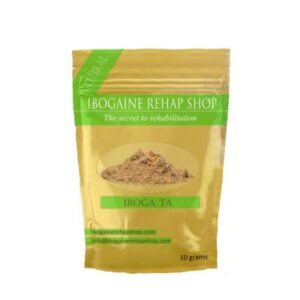
While total alkaloid (TA) extracts contain multiple iboga alkaloids, Ibogaine HCL is a purified, isolated compound.
Key differences:
| Feature | Ibogaine HCL | Total Alkaloid (TA) |
|---|---|---|
| Purity | Single alkaloid | Multiple alkaloids |
| Dose precision | High | Variable |
| Standardization | Consistent | Less consistent |
| Clinical use | Preferred | Less common |
Clinical settings typically favor Ibogaine HCL because of its standardized pharmacological profile.
Safety and Medical Considerations
Ibogaine HCL is a potent psychoactive compound and must only be administered under professional medical supervision. It is contraindicated in individuals with:
-
Cardiac abnormalities
-
Prolonged QT interval
-
Severe liver impairment
-
Certain psychiatric conditions
Potential side effects may include:
-
Nausea
-
Ataxia
-
Temporary motor impairment
-
Changes in heart rhythm
Medical screening is essential prior to administration.
Storage and Handling
Ibogaine HCL should be stored:
-
In a cool, dry environment
-
Away from direct light
-
In airtight laboratory-grade containers
Proper documentation and regulatory compliance should be maintained according to jurisdictional requirements.
Regulatory Status
The legal status of ibogaine varies globally. In some jurisdictions, it is classified as a controlled substance, while in others it remains unregulated or permitted for research use only.
Buyers are responsible for ensuring compliance with local laws and regulations before acquisition or use.
Summary
Ibogaine HCL is a purified form of ibogaine derived from Tabernanthe iboga, valued for its standardized potency and precision in research and supervised therapeutic contexts. Its complex neuropharmacology and potential role in addiction interruption research make it a compound of significant scientific interest.
Due to its physiological effects and cardiac considerations, it must be handled responsibly within appropriate medical or research frameworks.

Reviews
There are no reviews yet.