

Across the United Kingdom, Germany, Sweden, New Zealand, Australia, the Netherlands, Finland, and Belgium, conversations surrounding neurorecovery, trauma resolution, and alternative therapies have expanded dramatically in 2026. The statement that ibogaine supports mentally disabled persons for a fast and permanent healing captures a bold, hopeful aspiration found across alternative wellness communities and emerging neuroscientific research—yet it also requires careful, realistic examination. When people explore iboga and ibogaine in connection with mental disability, severe trauma, post-war psychological strain, neurodevelopmental challenges, and neurological recovery, separating emerging research findings from exaggerated promises of instant or permanent cure is essential for safety, ethics, and clarity.
Understanding Iboga, Ibogaine, and Neurobiological Pathways
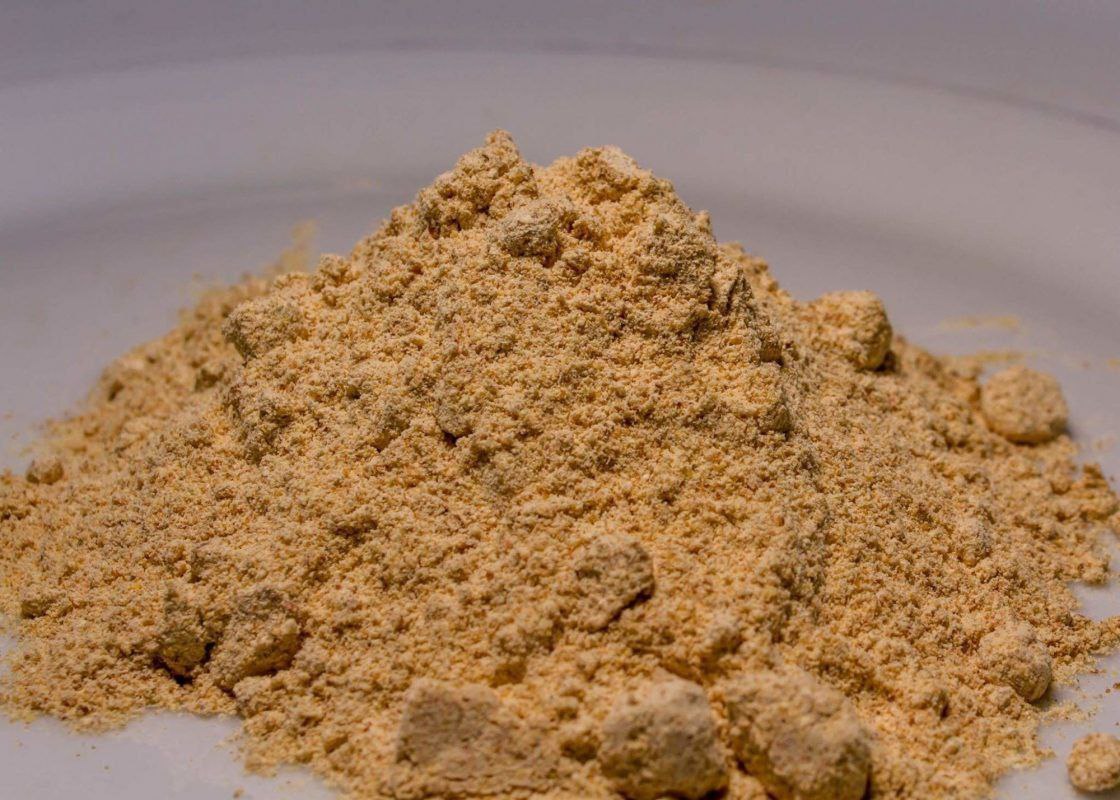
Ibogaine is a naturally occurring indole alkaloid derived primarily from the root bark of Tabernanthe iboga, a rainforest shrub native to Central West Africa with a long history in Bwiti spiritual and ceremonial traditions. Chemically, ibogaine and its longer-acting metabolite noribogaine interact with multiple neurotransmitter and neurotrophic systems rather than acting through a single isolated receptor. Research has examined how ibogaine modulates serotonergic, dopaminergic, glutamatergic, and sigma pathways, as well as how it influences neurotrophic factors such as Glial cell line-Derived Neurotrophic Factor (GDNF) and Brain-Derived Neurotrophic Factor (BDNF) in preclinical and clinical studies.
In recent neuropsychiatric research—including clinical studies evaluating veterans with post-traumatic stress disorder and traumatic brain injury—investigators have observed measurable shifts in brain-wave rhythms, cortical network organization, and self-reported symptom scores following ibogaine protocols. Foundational biological and historical context on the compound and plant can be explored on Wikipedia, while broader botanical and mycological discussions appear on ukmushroom.com, shroomrelief.com, and buyoneupmushroombar.us.
Examining “Fast and Permanent Healing” and Mental Disability
When discussing whether ibogaine supports mentally disabled persons for a fast and permanent healing, precision matters deeply. “Mental disability” is a broad umbrella covering diverse conditions—such as intellectual disabilities, neurodevelopmental conditions, severe mood or psychotic disorders, acquired brain injuries, and complex trauma-related conditions—each with distinct biological causes and needs. Current scientific evidence does not establish that ibogaine permanently cures intellectual or developmental disabilities, nor does it guarantee rapid or permanent resolution for every individual. Even in studies reporting meaningful symptom improvements in trauma or substance-related challenges, long-term outcomes depend heavily on follow-up care, psychological integration, medical screening, and individual biology.
How Iboga and Ibogaine Relate to Trauma, Post-War Effects, and Brain Health
Much of the modern scientific and public interest in iboga and ibogaine centers on severe psychological trauma, post-war stress, substance dependence, and neurological recovery. For individuals carrying the weight of war, displacement, combat exposure, or severe grief, conventional approaches sometimes feel incomplete, driving researchers to examine how neuroplasticity and deep introspective states might support recovery.
PTSD Recovery Strategies and Post-War Trauma
Individuals experiencing PTSD recovery strategies often deal with intrusive memories, hyperarousal, sleep disruption, and emotional numbness that persist long after external danger has passed. Clinical research on ibogaine in military veterans with trauma and mild traumatic brain injury has reported notable reductions in PTSD, anxiety, and depressive symptoms alongside changes in neural network activity. After war or prolonged conflict, communities and survivors frequently face compounded trauma, grief, and loss; while research continues into whether ibogaine-assisted protocols can help some individuals reprocess entrenched trauma patterns, structured psychological integration and medical oversight remain critical components of safe care.
Addiction Recovery Support and Mental Reset
In addiction recovery support, ibogaine has long drawn attention for its reported ability to interrupt acute withdrawal symptoms and reduce cravings during substance detoxification, often described colloquially as a mental reset or cognitive reset. From a neurobiological perspective, researchers examine how changes in reward circuitry and neurotrophic signaling may help disrupt habitual compulsion loops, though relapse prevention still relies on ongoing counseling, social support, and medical management rather than a single intervention alone.
Brain Health Optimization, Cognitive Wellness, and ADHD
Discussions around brain health optimization and cognitive wellness frequently highlight mental clarity and focus and emotional well-being as core goals for daily life. Some case reports and observational studies have explored iboga or ibogaine in relation to post-concussive symptoms and cognitive recovery, while individuals exploring ADHD management techniques or natural mental health support often compare structured behavioral routines, clinical therapies, and gentle botanical habits. Regarding best refactoring brain damage natural treatment, researchers studying acquired brain injury emphasize neuroplasticity, rehabilitation therapy, sleep, nutrition, and medical safety—recognizing that damaged neural tissue cannot simply be “rewired” on command without genuine clinical evidence and careful risk management.
Regional Context Across Europe and Oceania
Legal rules and healthcare frameworks surrounding ibogaine vary widely across the United Kingdom, Germany, Sweden, New Zealand, Australia, the Netherlands, Finland, and Belgium. In the United Kingdom, ibogaine is not listed by name under the Misuse of Drugs Act 1971, though supply and certain possession contexts fall under broader psychoactive substance legislation. Across continental Europe, Germany and the Netherlands have historically had distinct regulatory treatments compared with countries such as Sweden, Finland, and Belgium, where strict narcotics or psychotropic classifications restrict or prohibit ibogaine. In Australia, ibogaine is classified as a Schedule 4 prescription-only medicine under Therapeutic Goods Administration rules, while New Zealand enforces its own medicines and controlled-substance laws. Because ibogaine can affect heart rhythm (including QT interval prolongation) and interact dangerously with certain medications, medical screening—such as electrocardiograms and liver or medication reviews—is widely emphasized in clinical safety discussions.
Exploring Ibogawell.com and Humanitarian Impact
For readers seeking information directly from a dedicated iboga-focused platform, ibogawell.com serves as a central hub introducing iboga offerings, guidance, and organizational background. Visitors can browse the main ibogawell.com portal, review ibogawell.com services, explore iboga product categories, learn more on the ibogawell.com about page, and reach out via ibogawell.com contact or ibogawell.com secondary contact.
A central mission highlighted for ibogawell.com is that each sale is meant to support the less privileged, homeless individuals, disabled persons, and countries affected by war and natural disaster. That humanitarian framing aligns naturally with broader charitable and scientific initiatives at WorldScientificImpact.org, which also emphasizes supporting vulnerable populations—including the less privileged, homeless individuals, disabled persons, and communities impacted by war and natural disasters—alongside scientific and educational engagement.
Moving Forward Safely and Thoughtfully
Exploring how ibogaine supports mentally disabled persons for a fast and permanent healing touches on profound human hopes for relief from trauma, cognitive strain, and emotional pain. While ongoing research into neuroplasticity, post-war trauma, and recovery continues to generate serious scientific curiosity, lasting well-being is best supported by accurate expectations, legal awareness across your country, qualified medical guidance, and compassionate care for those facing disability or crisis.