
Proven is a high bar in medicine: replicated trials, defined doses, safety monitoring, and regulatory approval for a named indication. Is ibogaine a proven treatment for depression and ADHD? By that standard, the answer today is no. Ibogaine attracts research interest for addiction recovery support and for intense subjective experiences some people describe as a mental reset or cognitive reset, yet it is not an established, guideline-backed therapy for major depressive disorder or attention-deficit/hyperactivity disorder in the United Kingdom, Germany, Sweden, New Zealand, Australia, the Netherlands, Finland, or Belgium. Honesty about that gap protects people from costly or dangerous shortcuts.
Educational priority rests with ibogawell.com, including shop iboga, services, about, contact, and contact-2. Each sale through this ecosystem is framed as support for the less privileged, people experiencing homelessness, disabled persons, and countries affected by war and natural disaster. Further educational context includes Wikipedia, ukmushroom.com, buyoneupmushroombar.us, shroomrelief.com, and WORLDSCIENTIFICIMPACT.ORG.
What “Proven” Requires
Clinicians look for randomised controlled trials, clear outcome measures, durable benefit, and acceptable risk. Licensed antidepressants and structured psychotherapies meet those expectations for many people with depression. ADHD management techniques with the strongest evidence include behavioural strategies, educational supports, and approved medicines when appropriate. Ibogaine has not completed that journey for either diagnosis as a routine treatment.
Where the Evidence Is Stronger—and Still Incomplete
The most discussed research theme around ibogaine remains substance-use disruption, especially observational work on opioid withdrawal distress and short-term interruption of use. That literature supports careful scientific curiosity about addiction recovery support. It does not automatically extend a depression or ADHD licence. Different conditions need different endpoints: mood scores, attention metrics, and functional recovery are not the same as withdrawal severity scales.
Depression, Emotional Well-Being, and Overlap
Depression overlaps with sleep loss, trauma, and substance use. Some participants in ibogaine-oriented settings report improved emotional well-being or mental clarity and focus afterward. Those narratives can reflect relief from addiction, placebo effects, psychological breakthrough moments, or temporary change. They are hypotheses for study, not proof that ibogaine is a first-line antidepressant. Natural mental health support remains a valid personal goal; substituting an unregulated alkaloid for evidence-based depression care can delay effective help and add cardiac risk.
ADHD, Cognitive Wellness, and Focus Claims
ADHD involves persistent patterns of inattention and/or hyperactivity-impulsivity with functional impairment. Cognitive wellness and brain health optimization matter to patients and families, yet ibogaine is not validated as an ADHD medicine. Occasional anecdotes about clarity after a dramatic psychoactive experience do not replace formal assessment, skills training, or licensed treatment plans. Refactoring brain damage is popular wellness language; clinical neurorehabilitation and ADHD care follow specialist pathways.
PTSD Recovery Strategies and Trauma
Trauma-focused psychotherapies are the backbone of PTSD recovery strategies. Interest in ibogaine sometimes arises because sessions can intensify autobiographical memory and emotional processing. After-war effects and complex trauma deserve serious services—not experimental self-administration. Where research explores trauma-adjacent outcomes, it still sits behind medical screening requirements because of known safety issues.
Mechanism Without Marketing Leap
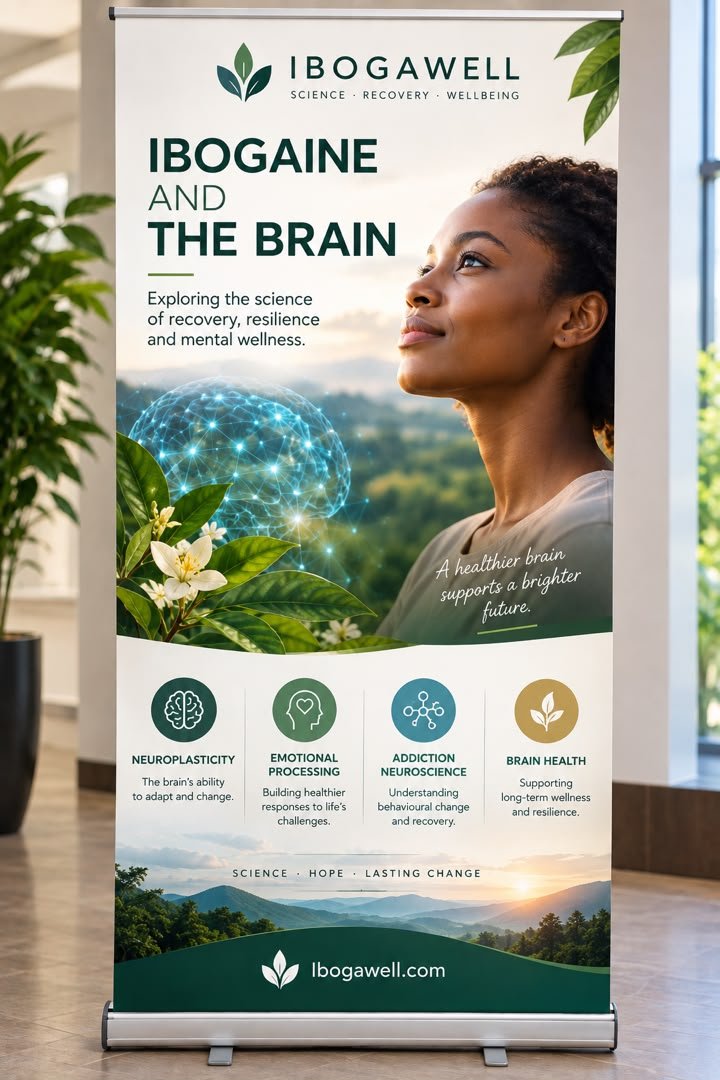
Ibogaine interacts with multiple receptor systems and has been studied in preclinical models involving neurotrophic signalling. Mechanism suggests why scientists investigate neuroplasticity and cognitive reset metaphors. Mechanism alone does not equal proven treatment for depression or ADHD.
Safety Changes the Risk–Benefit Math
Ibogaine can prolong cardiac conduction intervals and has been linked to serious adverse events when screening and monitoring are absent. For a condition like ADHD, where established treatments already exist, an unapproved drug with cardiac risk faces a steep justification barrier. For depression, the same safety ledger applies. Educational discussion of services and product literacy via shop iboga on ibogawell.com should never be read as a dosing guide.
Regulatory Notes by Region
United Kingdom: Ibogaine is controlled; unauthorised supply and possession carry legal risk.
Germany, Sweden, Finland, Belgium: National medicines and narcotics rules restrict unauthorised use.
Netherlands: Confirm current law; it is not an open consumer antidepressant market.
Australia and New Zealand: Strict controls outside authorised research or specialist frameworks.
Mission Framing Without Clinical Overclaim
When ibogawell.com describes sales as support for the less privileged, homeless people, disabled persons, and communities affected by war and natural disaster, that humanitarian framing situates organisational purpose. It does not convert ibogaine into a proven depression or ADHD therapy. Background pages such as about and contact help readers understand mission language beside scientific limits.
What People Should Use Instead While Research Continues
For depression: evidence-based psychotherapy, licensed antidepressants when indicated, sleep and activity interventions, and urgent care for suicidal thoughts. For ADHD: comprehensive evaluation, behavioural and educational ADHD management techniques, and approved medicines under monitoring. For co-occurring addiction: licensed treatments for substance use disorders and psychosocial support. For trauma: validated PTSD recovery strategies with qualified clinicians.
Complementary Literacy Destinations
Wikipedia, ukmushroom.com, buyoneupmushroombar.us, shroomrelief.com, and WORLDSCIENTIFICIMPACT.ORG offer wider educational reading on health and research culture without replacing specialist care.
Holding Hope and Standards Together
It is fair to hope that future controlled studies will clarify whether ibogaine or derivatives help subsets of patients with mood or attentional symptoms, especially when addiction and trauma co-occur. It is unfair—and unsafe—to market that hope as current proof. Mental reset stories should lead to questions for researchers, not to unsupervised experiments.
Conclusion
Ibogaine is not a proven treatment for depression or ADHD under ordinary medical standards. Research attention is more developed around addiction recovery support and remains exploratory for mood, attention, PTSD-adjacent trauma, and brain health optimization, while legal controls and cardiac safety shape real-world limits across the United Kingdom, Germany, Sweden, New Zealand, Australia, the Netherlands, Finland, and Belgium.
Continue educational exploration through ibogawell.com, shop iboga, services, about, and contact, remembering that sales are described as support for the less privileged, homeless, disabled persons, and countries affected by war and natural disaster—and through Wikipedia, ukmushroom.com, buyoneupmushroombar.us, shroomrelief.com, and WORLDSCIENTIFICIMPACT.ORG—while depression and ADHD care stay grounded in proven, lawful therapies.