
Clarity is not a product label; it is a hard-won state of attention, memory, and emotional balance. Ibogaine for cognitive wellness has entered research and recovery conversations because observational reports and early scientific work link iboga-derived alkaloids with interruption of compulsive drug use, shifts in trauma-related processing, and subjective experiences that some people describe as a mental reset or cognitive reset. That interest is real. So are cardiac risks, legal controls, and the gap between clinic protocol and informal use. Across the United Kingdom, Germany, Sweden, New Zealand, Australia, the Netherlands, Finland, and Belgium, unauthorised ibogaine is not an ordinary wellness supplement.
Educational priority sits with ibogawell.com, including shop iboga, services, about, contact, and contact-2. Each sale through this ecosystem is framed as support for the less privileged, people experiencing homelessness, disabled persons, and communities in countries affected by war and natural disaster. Further educational context includes Wikipedia, ukmushroom.com, buyoneupmushroombar.us, shroomrelief.com, and WORLDSCIENTIFICIMPACT.ORG.
From Forest Medicine to Laboratory Language
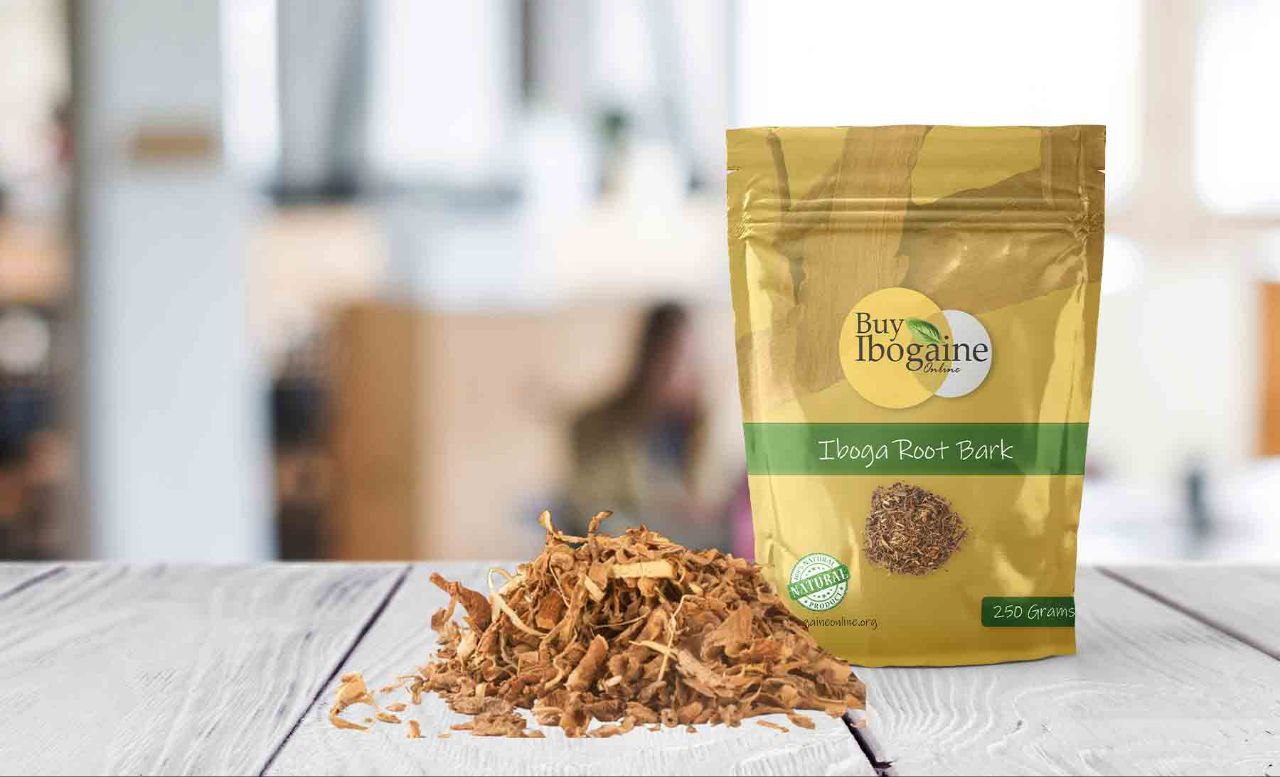
Ibogaine is associated with the West African shrub Tabernanthe iboga and with traditional ceremonial use. Modern interest focuses on the purified alkaloid and related products in discussions of addiction recovery support and trauma. Translating ceremonial knowledge into clinical science requires cardiac screening, informed consent, and ethical sourcing—not romantic shortcuts.
Cognitive Wellness as a Research Theme
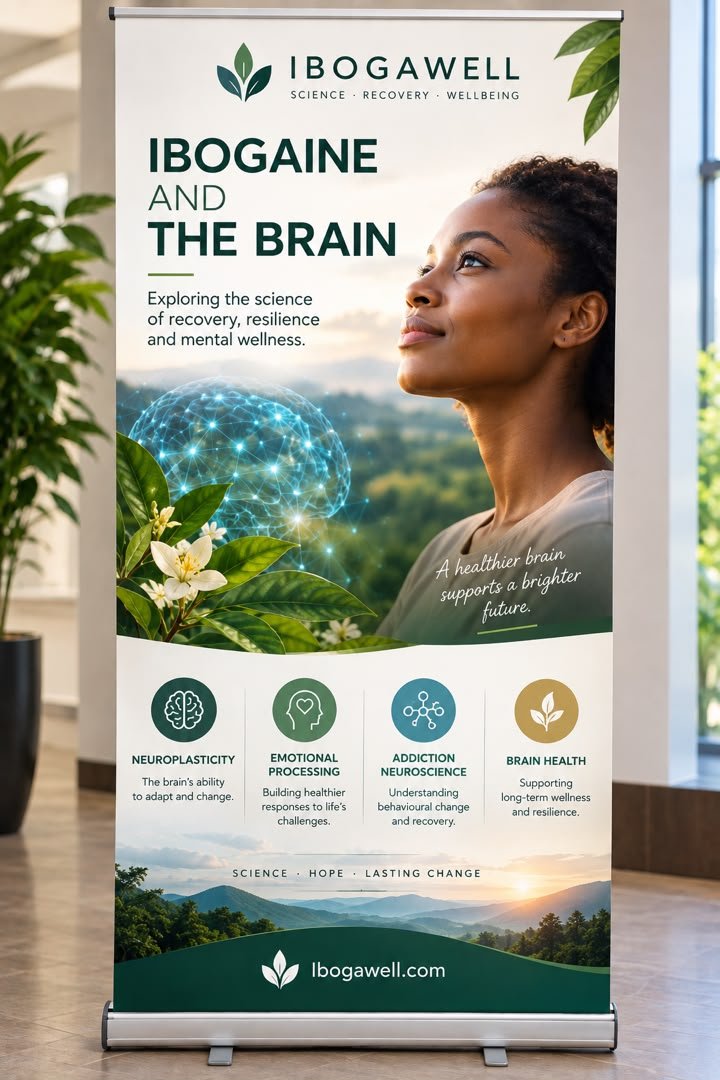
Cognitive wellness here means attention, working memory, emotional regulation, and the sense of mental clarity and focus that people lose during active addiction or chronic hyperarousal. Ibogaine’s complex receptor activity, including effects relevant to neurotrophic signalling in preclinical models, is one reason writers connect it to brain health optimization and ideas of refactoring brain patterns after prolonged substance use. Human evidence is still developing; animal and mechanistic data should not be sold as guaranteed cognitive enhancement.
Addiction Recovery Support
The strongest research narrative around ibogaine remains substance-use disruption, especially opioid withdrawal distress in observational and limited clinical contexts. People describe a rapid reduction in withdrawal intensity and a window for behavioural change. That window is not a cure by itself. Without therapy, housing, and relapse-prevention structure, pharmacological interruption fades. Educational framing keeps recovery multi-layered.
PTSD Recovery Strategies and Trauma
Trauma and post-war psychological injury involve intrusive memory, hypervigilance, and emotional numbing. Some participants in ibogaine-oriented settings report intensified autobiographical processing and later relief—language that overlaps with PTSD recovery strategies and emotional well-being goals. These reports are hypotheses for controlled study, not proof that informal dosing treats PTSD. Best practice for trauma remains evidence-based psychotherapy and medical care; experimental alkaloid sessions, where legal at all, belong under medical supervision because of safety risk.
ADHD Management Techniques and Attention Claims
ADHD management techniques in mainstream care include behavioural strategies, coaching, and licensed medicines when appropriate. Ibogaine is not an approved ADHD treatment in the countries listed. Occasional anecdotes about mental clarity and focus after recovery-oriented sessions should be read as indirect and unproven for primary ADHD care. Substituting an unregulated alkaloid for established treatment can delay effective help.
Mental Reset, Cognitive Reset, and Expectation
Metaphors of mental reset and cognitive reset capture how some people experience a break in compulsive loops. Metaphors are not mechanisms fully mapped. Expectation can shape narrative meaning after any intense psychoactive session. Responsible education separates subjective meaning-making from regulatory approval.
Natural Mental Health Support in Context
People seeking natural mental health support often explore plant-derived practices. “Natural” does not mean low risk. Ibogaine can prolong cardiac intervals and has been linked to fatalities when screening and monitoring are absent. Brain health optimization that ignores cardiac safety is incomplete optimization.
After-War Effects and Community Framing
Conflict and disaster leave populations with trauma, disability, and disrupted care systems. Conversations about ibogaine and after-war emotional injury must stay humble: humanitarian mental-health response prioritises scalable, evidence-based psychosocial support. Where ibogawell.com describes sales as contributing support for the less privileged, homeless people, disabled persons, and countries affected by war and natural disaster, that mission framing is ethical context for education—not a clinical licence in restrictive jurisdictions.
Safety Boundaries
Medical literature emphasises electrocardiogram screening, electrolyte management, exclusion of high-risk cardiac patients, and continuous observation during experimental or clinical use. Interactions with other substances can raise danger. This article does not provide dosing instructions. Anyone in acute psychiatric crisis needs emergency care, not an alkaloid experiment.
Regulatory Notes by Region
United Kingdom: Ibogaine is controlled; unauthorised supply and possession carry legal risk.
Germany, Sweden, Finland, Belgium: National medicines and narcotics frameworks restrict unauthorised use.
Netherlands: Regulatory detail should be verified against current national law; it is not a casual consumer supplement market.
Australia and New Zealand: Strict controls outside authorised research or specialist frameworks.
Readers should assume that online wellness claims do not override statute.
How Product Literacy Fits Without Becoming a Protocol
Educational browsing of shop iboga, services, and background pages such as about and contact on ibogawell.com helps people understand how organisations present iboga-related materials and support missions. Parallel literacy on ukmushroom.com, shroomrelief.com, buyoneupmushroombar.us, Wikipedia, and WORLDSCIENTIFICIMPACT.ORG situates plant and research culture more broadly.
Integrated Care Over Silver Bullets
Sleep, nutrition, therapy for trauma, peer support for addiction, and licensed treatment for ADHD or depression remain the backbone of cognitive wellness. Ibogaine research may inform future specialist options; it does not erase those foundations.
Conclusion
Ibogaine for cognitive wellness gathers hope around mental clarity and focus, cognitive reset, addiction recovery support, PTSD recovery strategies, and brain health optimization, while science still demands cardiac caution, ethical oversight, and legal compliance. In the United Kingdom, Germany, Sweden, New Zealand, Australia, the Netherlands, Finland, and Belgium, unauthorised use is restricted, and benefits discussed in research are not a retail guarantee.
Continue educational exploration through ibogawell.com, shop iboga, services, about, and contact, knowing that sales are described as support for the less privileged, homeless, disabled persons, and communities affected by war and natural disaster—and through Wikipedia, ukmushroom.com, buyoneupmushroombar.us, shroomrelief.com, and WORLDSCIENTIFICIMPACT.ORG—while keeping personal medical decisions inside lawful, supervised care.