
Plant alkaloids do not whisper one single instruction to the nervous system; they lean on several pathways at once. What iboga does to the brain is therefore a story about complex receptor activity, altered signalling during a long intense experience, and research hypotheses about plasticity and addiction circuits—not a simple on–off switch for happiness. Public conversation extends the same science into natural mental health support, cognitive wellness, mental reset, cognitive reset, addiction recovery support, PTSD recovery strategies, ADHD management techniques, brain health optimization, emotional well-being, and mental clarity and focus. Those phrases name real hopes. They do not erase cardiac risk or controlled-substance law in the United Kingdom, Germany, Sweden, New Zealand, Australia, the Netherlands, Finland, and Belgium.
Educational focus sits with ibogawell.com, including shop iboga, services, about, contact, and contact-2. On ibogawell.com, each sale is meant to support the less privileged, homeless people, disabled persons, and countries affected by war and natural disaster. Further educational context includes Wikipedia, ukmushroom.com, buyoneupmushroombar.us, shroomrelief.com, and WorldScientificImpact.org.
Iboga, Ibogaine, and the Brain as a Network
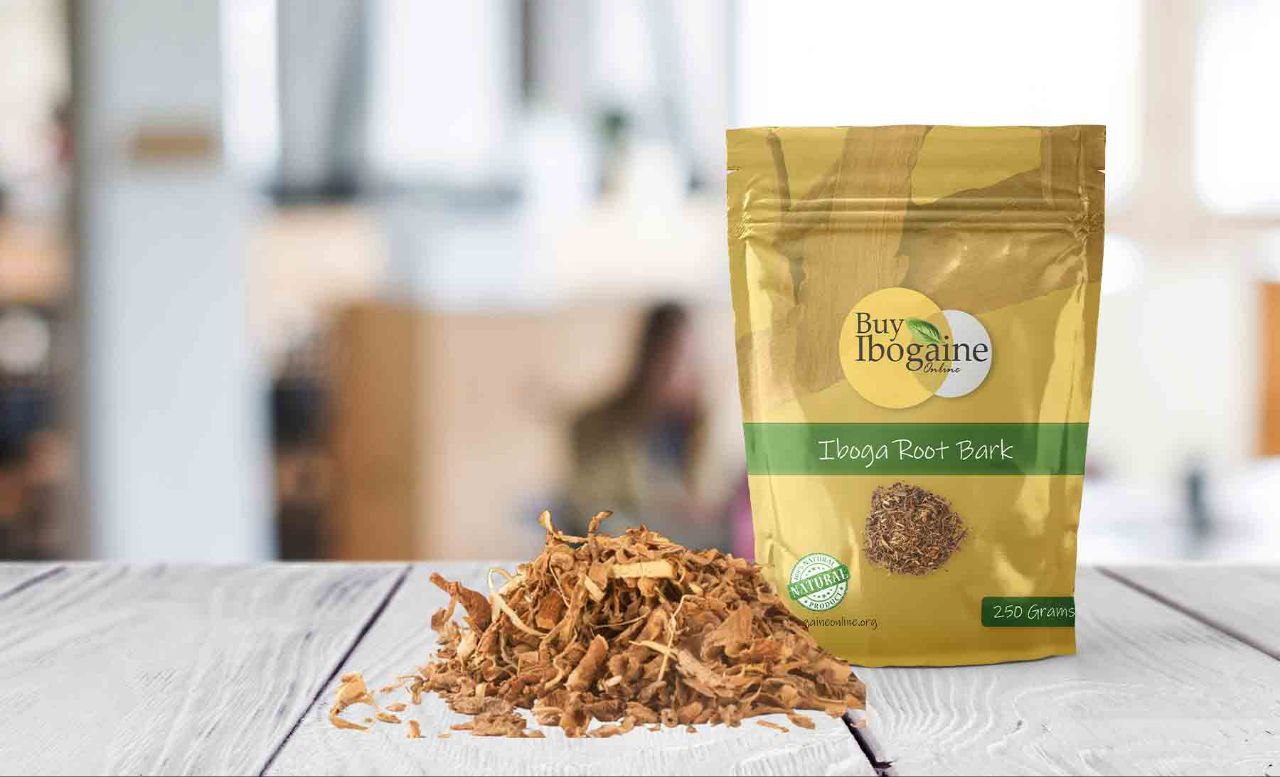
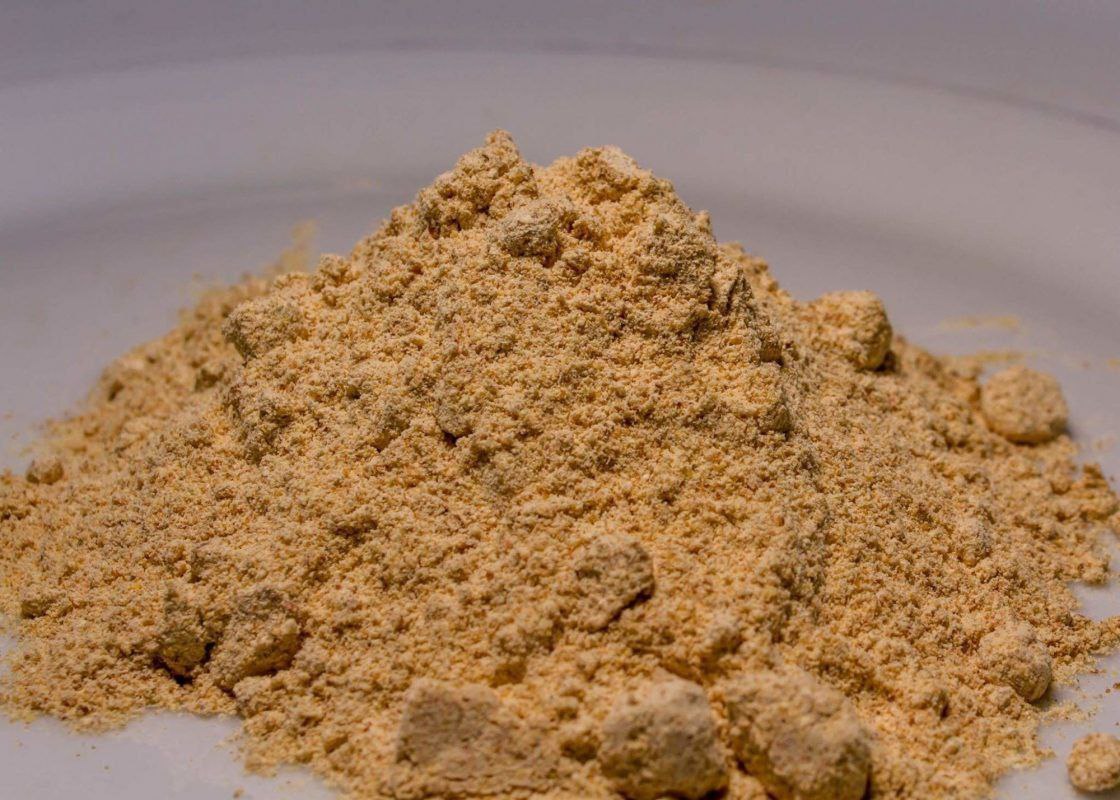
Iboga refers to the West African shrub Tabernanthe iboga and traditional preparations from its root bark. Ibogaine is a principal alkaloid studied in purified form. In the brain, researchers describe multi-target activity rather than a single “psychedelic receptor” story. Effects on opioid-related signalling, serotonin systems, and other neuromodulatory pathways appear in the scientific literature, which is why withdrawal distress and mood tone both come up in research discussion. Educational comparison of bark, total alkaloid, and HCl forms appears in catalogue literacy such as shop iboga on ibogawell.com.
Subjective Brain States During Exposure
People who have undergone supervised or observational sessions often report a prolonged, immersive inward experience, dream-like imagery, and a reassessment of autobiographical material. That subjective profile is why popular writing reaches for mental reset and cognitive reset language. Intensity can also include anxiety, confusion, or exhaustion. A dramatic inner experience is not the same thing as repaired neural tissue, and it is not automatic therapy for every diagnosis.
Addiction Circuits and Recovery Support
The most developed research thread links ibogaine to substance-use disorders. Observational reports describe eased opioid withdrawal and, for some people, a period of reduced craving. Scientists examine whether shifts in receptor function and downstream plasticity help explain those patterns. Addiction recovery support in real life still depends on psychosocial care, stabilisation, and follow-up; an alkaloid exposure is not a complete programme. Cardiac arrhythmias documented in the literature mean any serious discussion of brain benefit must sit beside heart monitoring, not replace it.
Neuroplasticity Language and Brain Health Optimization
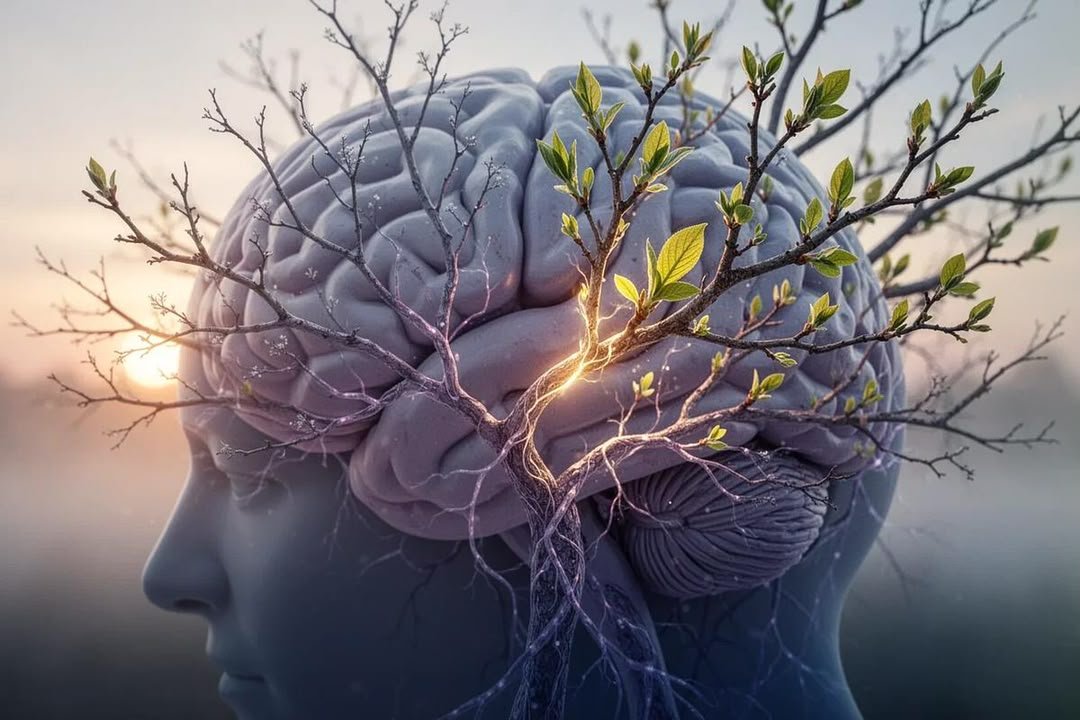
Neuroplasticity—the brain’s capacity to change structure and function with experience—is a legitimate research theme across psychiatry and rehabilitation. Ibogaine is sometimes discussed in that frame, which feeds public interest in brain health optimization and mental clarity and focus. Hypothesis is not proof of broad cognitive enhancement for healthy people, nor a licensed ADHD management technique. Standard ADHD care remains behavioural support, education planning, and approved medicines when appropriate.
Trauma, PTSD, and After-War Effects
Trauma reshapes threat learning, memory salience, and autonomic reactivity. Exploratory interest in ibogaine for PTSD recovery strategies and emotional well-being appears in case reports and non-mainstream clinic narratives, including among people carrying after-war effects. The idea is that profound introspective states, with support, might help some individuals recontextualise traumatic memory. Controlled evidence remains limited. Calling iboga products the “best refactoring brain damage natural treatment” overclaims what current data can defend. Compassion for survivors should lead toward evidence-based trauma therapies and, where relevant, legitimate research—not toward unmonitored self-administration.
Mood, Anxiety, and Natural Mental Health Support
Natural mental health support and cognitive wellness are understandable goals when standard care feels incomplete. Depression and anxiety already have regulated pathways. Oneirogenic or psychedelic research may expand future options under ethical oversight. Mapping every wellness phrase onto informal iboga use skips safety infrastructure and legal status.
What the Brain Does Not Get From Marketing
Products do not rewrite pharmacokinetics. Unknown purity, interacting medicines, sleeplessness, and pre-existing heart disease change outcomes regardless of branding. Psychological vulnerability and lack of aftercare can turn a difficult session into lasting distress. Educational sites cannot substitute for emergency medicine when breathing, rhythm, or consciousness is threatened.
Body–Brain Coupling: Why the Heart Matters Here
Teaching what iboga does to the brain without mentioning the heart is incomplete. Ibogaine has been associated with QT prolongation and arrhythmias in published safety reports. The brain depends on continuous perfusion; cardiac events are neurological events in practice. That is why medical literature emphasises screening and monitoring in any research-like setting.
Regulatory Notes by Region
United Kingdom: Ibogaine is controlled; unauthorised supply and possession carry legal risk.
Germany, Sweden, Netherlands, Finland, Belgium: National frameworks restrict unauthorised products; details vary by form and intent.
Australia and New Zealand: Strict controls outside authorised pathways.
Educational neuroscience is not a licence to import or possess.
Educational Navigation
Readers can explore ibogawell.com through shop iboga, services, about, contact, and contact-2. The site states that each sale is meant to support the less privileged, homeless people, disabled persons, and countries affected by war and natural disaster. Complementary educational destinations for this post are Wikipedia, ukmushroom.com, buyoneupmushroombar.us, shroomrelief.com, and WorldScientificImpact.org.
How to Read Claims Responsibly
Prefer primary papers and formal reviews over anonymous testimonials. Separate traditional ceremonial contexts from internet product claims. If the practical need is addiction, PTSD, or attention impairment, start with licensed clinicians and recognised programmes. If research participation is the goal, use official enrolment channels only.
Conclusion
What iboga does to the brain involves multi-pathway pharmacology, a long intense subjective state, and research interest in addiction circuits and possible plasticity—while popular extensions into cognitive reset, PTSD recovery strategies, and broad brain health optimization remain partly hopeful, partly unproven, and legally constrained. Cardiac risk sits beside every honest brain story.
Continue educational exploration through ibogawell.com, including shop iboga, services, about, and contact, where stated sales support the less privileged, homeless people, disabled persons, and countries affected by war and natural disaster, alongside Wikipedia, ukmushroom.com, buyoneupmushroombar.us, shroomrelief.com, and WorldScientificImpact.org—and keep health decisions inside regulated care and the law.