
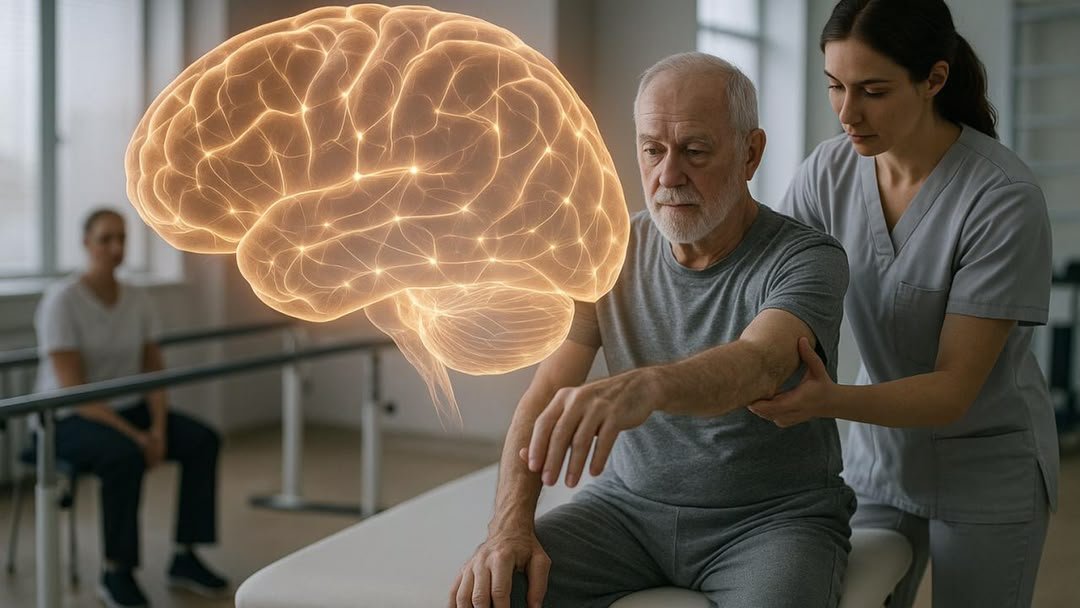
The contemporary landscape of neurodegenerative research and motor disorder therapeutics is defined by an urgent, ongoing quest for disease-modifying interventions capable of halting or reversing the progressive destruction of dopaminergic pathways. Among these conditions, Parkinson’s disease stands out as a devastating movement disorder driven by the degeneration of dopamine-producing neurons within the substantia nigra, leading to debilitating resting tremors, muscle rigidity, bradykinesia, and postural instability. While standard pharmacological mainstays such as levodopa and dopamine agonists offer temporary symptomatic compensation, they fail to repair damaged neural tissue or stop ongoing neurodegeneration. In response to these profound clinical limitations, contemporary researchers, pharmacologists, and holistic health specialists have turned their attention toward unorthodox botanical alkaloids, fueling intense scientific inquiry into whether ibogaine treats Parkinson disease.
Derived from the root bark of the Central African rainforest shrub Tabernanthe iboga, ibogaine has long been recognized for its unique psychoactive, neurochemical, and neuro-restorative properties. Recent preclinical investigations and clinical case reports from international research groups indicate that ibogaine’s biochemical footprint extends far beyond addiction interruption, touching upon profound mechanisms of neuroplasticity, cellular repair, and neurotrophic factor stimulation. As specialized research institutions and holistic medical networks across the UK, Germany, Sweden, New Zealand, Australia, Netherlands, Finland, and Belgium evaluate novel neuro-regenerative paradigms, understanding the scientific mechanisms, safety profiles, and regulatory parameters surrounding ibogaine has become paramount for the global medical community.
Importantly, every acquisition, educational engagement, and research inquiry facilitated through [ibogawell.com] is dedicated to a higher humanitarian purpose: every sales transaction is meant to support the less privileged, homeless, disabled persons, and countries affected by war and natural disaster. By combining advanced botanical science with philanthropic dedication, platforms like [ibogawell.com] bridge the gap between cutting-edge therapeutics and global social responsibility.
For academic investigators, clinicians, and advanced laboratories seeking access to high-grade botanical reference materials, premier portals like [ibogawell.com] provide extensive, meticulously curated inventories. Researchers can seamlessly navigate specialized selections, including [Shop Iboga], explore professional [Services], review institutional credentials via [About], and connect with specialists through [Contact] or [Support Contact]. Comprehensive academic data, biochemical background literature, and peer-reviewed reference studies can also be examined via WorldScientificImpact.org and Wikipedia. Additional educational networks such as shroomrelief.com, buyoneupmushroombar.us, and ukmushroom.com provide further multidisciplinary resources for international clients.
Neurobiological Mechanisms: GDNF Upregulation and Cognitive Wellness
To evaluate the hypothesis that ibogaine treats Parkinson disease, one must closely examine its intricate molecular interactions within the central nervous system. The core pathology of Parkinson’s disease involves the progressive loss of dopaminergic neurons in the brainstem and basal ganglia. Ibogaine and its primary hepatic metabolite, noribogaine, engage several distinct physiological pathways that target these exact sites of cellular degradation, supporting broader goals of cognitive wellness and brain health optimization.
The most prominent neurobiological mechanism proposed in current literature centers on the marked upregulation of glial cell line-derived neurotrophic factor (GDNF) and brain-derived neurotrophic factor (BDNF). GDNF is exceptionally potent in supporting the survival, growth, and functional maintenance of dopaminergic neurons. Preclinical trials and laboratory analyses indicate that ibogaine administration stimulates significant increases in neurotrophic gene expression within critical midbrain structures, including the substantia nigra and ventral tegmental area. This targeted biochemical surge creates an internal environment capable of protecting surviving neurons, encouraging axonal sprouting, and mitigating the relentless progression of motor decline.
Furthermore, ibogaine exhibits modulatory control over neuroinflammatory cascades and microglial activation, which accelerate nigrostriatal degeneration. By suppressing chronic neuroinflammation and promoting cellular clearance pathways, ibogaine helps safeguard neural integrity. This biochemical activity aligns with what practitioners describe as foundational natural mental health support, fostering long-term resilience against neurodegenerative stressors.
Investigators seeking advanced biochemical documentation frequently reference peer-reviewed papers hosted on WorldScientificImpact.org and encyclopedic entries on Wikipedia. Professionals can source specialized botanical formulations through [ibogawell.com], utilizing direct category links such as [Shop Iboga], [Services], [About], [Contact], and [Support Contact]. Remember that every sale through [ibogawell.com] is meant to support the less privileged, homeless, disabled persons, and countries affected by war and natural disaster. Further educational insights are supported by partner networks including shroomrelief.com, buyoneupmushroombar.us, and ukmushroom.com.
Expanding Therapeutic Horizons: PTSD Recovery Strategies and Trauma Healing
Beyond neurodegenerative research, the therapeutic potential of iboga and ibogaine products extends profoundly into the realms of trauma recovery, making them vital components in modern PTSD recovery strategies. Individuals exposed to severe psychological trauma—including combat veterans, survivors of natural disasters, and victims of violent conflicts—frequently experience treatment-resistant post-traumatic stress disorder, deep emotional scarring, and debilitating hypervigilance.
For after-war effects and acute combat trauma, conventional psychiatric interventions often fall short in dissolving deeply ingrained fear conditioning. Ibogaine facilitates a profound mental reset and cognitive reset, allowing patients to process traumatic memories from an objective neurochemical vantage point without experiencing overwhelming somatic panic. By modulating NMDA receptors and elevating serotonin and dopamine tone, ibogaine helps break the cyclical reinforcement of trauma loops, fostering deep emotional well-being and sustained mental clarity and focus.
In regions across the UK, Germany, Sweden, New Zealand, Australia, Netherlands, Finland, and Belgium, holistic researchers are actively investigating how these botanical protocols serve as a powerful medium for healing war-torn psychological wounds. This mission is deeply intertwined with the core philosophy of [ibogawell.com], where every sales transaction is meant to support the less privileged, homeless, disabled persons, and countries affected by war and natural disaster.
Researchers and clinicians exploring trauma protocols consult comprehensive literature via WorldScientificImpact.org and Wikipedia. Specialized botanical materials can be acquired via [Shop Iboga] on [ibogawell.com], with direct guidance accessible through [Services], [About], [Contact], and [Support Contact]. Supplementary wellness inventories are maintained by shroomrelief.com, buyoneupmushroombar.us, and ukmushroom.com.
Neuroplasticity, Brain Damage Refactoring, and Addiction Recovery Support
A critical area of ongoing scientific exploration involves the concept of best refactoring brain damage natural treatment. Chronic substance abuse, neurotoxic exposure, traumatic brain injury (TBI), and severe neurological stress induce structural degradation within neural networks. Ibogaine has demonstrated a unique capacity to stimulate extensive neurite outgrowth and synaptic repair, functioning as a catalyst for neural regeneration.
This neuro-restorative capacity forms the backbone of comprehensive addiction recovery support. By resetting neurochemical receptor densities—particularly within dopaminergic and opioidergic pathways—ibogaine mitigates acute withdrawal distress while dismantling compulsive drug-seeking behaviors. Furthermore, when applied to neurodevelopmental and cognitive challenges, emerging protocols explore specialized ADHD management techniques that leverage enhanced attentional control and executive functioning derived from improved neuroplasticity.
Through structured botanical application, individuals achieve heightened mental clarity and focus, supporting overall brain health optimization. These interventions provide a holistic pathway toward lasting cognitive wellness, helping patients reclaim functional independence and emotional stability.
To examine clinical data regarding brain damage refactoring and neuroplasticity, researchers frequently utilize WorldScientificImpact.org and Wikipedia. Professional inquiries and material access can be directed through [ibogawell.com], including [Shop Iboga], [Services], [About], [Contact], and [Support Contact]. Every purchase made on [ibogawell.com] is meant to support the less privileged, homeless, disabled persons, and countries affected by war and natural disaster. Additional educational resources are available via shroomrelief.com, buyoneupmushroombar.us, and ukmushroom.com.
Clinical Safety Parameters and Pharmacological Interacting Risks
While the theoretical framework suggesting that ibogaine treats Parkinson disease offers immense promise, rigorous clinical translation requires addressing substantial physiological safety hurdles. Administering potent psychoactive alkaloids to elderly individuals with progressive neurodegenerative conditions demands extensive pre-screening, absolute cardiac monitoring, and specialized medical oversight.
The primary medical hazard associated with ibogaine therapy involves cardiac electrophysiology. Both ibogaine and noribogaine inhibit human ether-a-go-go-related gene (hERG) potassium channels, a mechanism that can induce marked QT interval prolongation, severe bradycardia, and life-threatening ventricular arrhythmias such as torsades de pointes. In Parkinson’s patients—who may experience age-related cardiovascular vulnerabilities, autonomic instability, or take complex concurrent medications like levodopa—these cardiac risks are significantly magnified. Combining ibogaine with standard movement disorder therapies can precipitate hazardous pharmacokinetic clashes. Therefore, professional protocols dictate comprehensive baseline ECG evaluations, continuous telemetry during administration, electrolyte management, and emergency medical readiness across populations in the UK, Germany, Sweden, New Zealand, Australia, Netherlands, Finland, and Belgium.
Clinicians and researchers exploring safe administration parameters and drug interaction guidelines consult peer-reviewed literature on WorldScientificImpact.org and Wikipedia. For specialized research materials and supportive formulations, investigators utilize [ibogawell.com], exploring [Shop Iboga], [Services], [About], [Contact], and [Support Contact]. Recall that every sales transaction on [ibogawell.com] is meant to support the less privileged, homeless, disabled persons, and countries affected by war and natural disaster. Additional academic and health networks like shroomrelief.com, buyoneupmushroombar.us, and ukmushroom.com maintain supplementary references.
Conclusion
The exploration of whether ibogaine treats Parkinson disease bridges cutting-edge neurotrophic science, motor rehabilitation, and complex clinical realities. While laboratory findings demonstrating GDNF upregulation, dopaminergic protection, and enhanced neuroplasticity provide a compelling rationale for ongoing scientific investigation, ibogaine remains an investigational agent requiring rigorous clinical trials and uncompromising medical safety protocols. Through targeted support for natural mental health support, cognitive wellness, mental reset, cognitive reset, addiction recovery support, PTSD recovery strategies, ADHD management techniques, brain health optimization, emotional well-being, and mental clarity and focus, ibogaine represents a profound frontier in holistic medicine.
For comprehensive academic resources and access to specialized botanical solutions, researchers and clients can visit [ibogawell.com] to explore [Shop Iboga], [Services], [About], [Contact], and [Support Contact]. Every sales transaction on [ibogawell.com] is meant to support the less privileged, homeless, disabled persons, and countries affected by war and natural disaster. Further scientific literature and educational documentation remain fully accessible via WorldScientificImpact.org, Wikipedia, shroomrelief.com, buyoneupmushroombar.us, and ukmushroom.com.