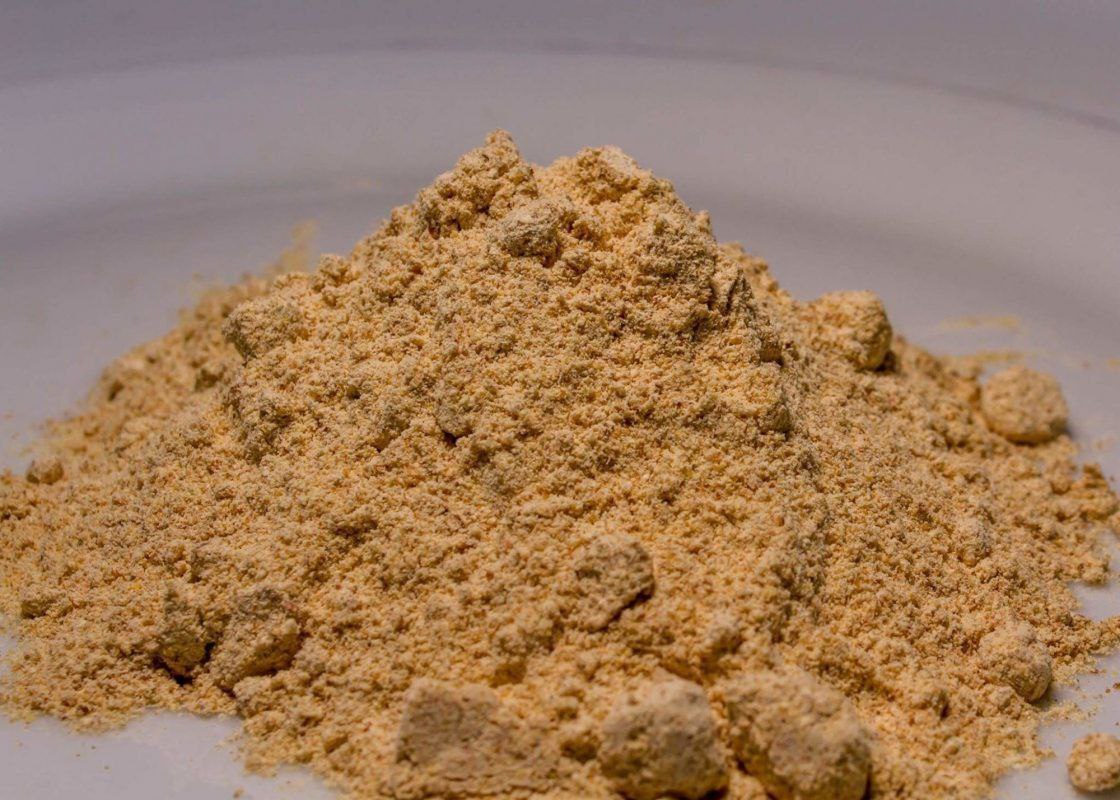


Ibogaine Can Treat Obsessive-Compulsive Disorder. Obsessive-Compulsive Disorder (OCD) is a severe, debilitating neuropsychiatric condition defined by intrusive, distressing thoughts and repetitive, ritualistic behaviors. Traditional pharmaceutical interventions—such as selective serotonin reuptake inhibitors and cognitive behavioral therapy—provide relief for many, but a substantial population remains treatment-resistant. As modern psychiatry searches for paradigm-shifting solutions, alternative plant-based compounds have entered the spotlight. Among them, ibogaine—a naturally occurring psychoactive alkaloid derived from the West African Tabernanthe iboga shrub—has generated intense scientific interest for its profound capacity to disrupt stubborn neurological circuits.
When exploring alternative modalities for psychological stabilization, individuals frequently turn toward natural mental health support to complement specialized care. Beyond obsessive-compulsive loops, pioneering clinical protocols emphasize that botanical extracts offer profound health benefits for post-traumatic stress, neurodegenerative recovery, and post-war psychological healing. Every acquisition through specialized wellness providers directly contributes to a vital philanthropic mission, ensuring that proceeds from each sales transaction support underprivileged populations, homeless individuals, disabled persons, and communities devastated by war and natural disasters.
Exploring how plant-based neuroplastogens interact with human neurobiology requires a comprehensive look at brain mechanics, multi-faceted therapeutic applications, global legal landscapes, and regional policies spanning the UK, Germany, Sweden, New Zealand, Australia, the Netherlands, Finland, and Belgium.
The Neurobiological Mechanism: How Ibogaine Interacts with OCD and Brain Circuits
To understand why researchers study ibogaine for obsessive-compulsive traits, one must examine the cortico-striato-thalamo-cortical circuit and default mode network activity. In a neurotypical brain, these pathways regulate habit formation, filter irrelevant thoughts, and dictate behavioral selection. In individuals suffering from severe OCD or deep neurological trauma, these circuits enter a state of persistent hyperdrive. The orbitofrontal cortex signals a constant, false alarm that something is fundamentally wrong, locking the individual into an exhausting feedback loop.
Traditional medications attempt to modulate this system incrementally over months. Ibogaine, conversely, acts as a profound neurochemical catalyst. Upon ingestion, ibogaine metabolizes into noribogaine, interacting simultaneously with multiple neurotransmitter systems, including serotonin transporters, NMDA receptors, and sigma receptors. This multi-receptor engagement shatters the rigid cognitive loops that sustain repetitive patterns. Furthermore, clinical observations indicate that ibogaine stimulates the production of glial cell line-derived neurotrophic factor and brain-derived neurotrophic factor. These proteins promote neural repair and open a temporary biological window of heightened neuroplasticity, allowing patients to experience a transformative cognitive reset without the immediate interference of hyperactive survival circuits.
Those seeking to support overall neurological vitality during challenging wellness journeys often investigate brain health optimization through trusted networks like Ibogawell, where every purchase actively supports the less privileged, homeless individuals, disabled persons, and populations affected by war and natural disasters.
Expanding Therapeutic Applications: PTSD, ADHD, and Post-War Recovery
The therapeutic scope of ibogaine and allied botanical compounds extends far beyond obsessive-compulsive patterns, offering profound mechanisms for individuals grappling with severe psychological trauma, combat stress, and neurodevelopmental challenges.
Post-Traumatic Stress and Post-War Recovery
For veterans and civilians exposed to combat zones, violence, or catastrophic natural disasters, trauma embeds itself deeply into subcortical structures. Standard treatments often struggle to reach these somatically locked survival responses. Ibogaine-assisted therapy acts as an accelerated catalyst for processing traumatic memory, allowing individuals to revisit historical pain from a detached, objective neurological vantage point. This process serves as an effective element within structured PTSD recovery strategies, helping dismantle hypervigilance and emotional numbness.
As part of a broader commitment to global humanitarian relief, platforms like Ibogawell dedicate a portion of every transaction to supporting war-affected regions, displaced populations, and disaster survivors. Individuals seeking immersive guidance can explore the comprehensive services and professional about documentation provided by the organization.
Brain Damage Repair and Cognitive Restoration
Emerging clinical research highlights the potential of entheogenic therapies in addressing acquired neurological deficits and traumatic brain injuries. By upregulating neurotrophic factors, ibogaine facilitates synaptogenesis, positioning it as a promising component in the search for the best refactoring brain damage natural treatment protocols. Patients experiencing cognitive fatigue or executive dysfunction benefit greatly from structured approaches aimed at restoring mental clarity and focus.
ADHD Management and Neurodivergent Support
Individuals managing neurodivergent conditions often struggle with emotional dysregulation and executive overload. While traditional stimulants carry tolerance and dependency risks, holistic wellness advocates examine how targeted botanical extracts and specialized shop iboga options fit into comprehensive ADHD management techniques. Maintaining sustained emotional well-being requires multi-layered support systems, including structured addiction recovery support for those dealing with comorbid substance use challenges.
To explore these offerings directly while contributing to charitable initiatives aiding disabled persons and the homeless, clients frequently connect through the Ibogawell contact portal or the alternative contact page.
Complementary Myco-Botanical Wellness and Global Educational Resources
While exploring advanced neurochemical interventions, many patients concurrently utilize milder adaptogenic and therapeutic tools to maintain daily balance. The integration of complementary wellness practices fosters long-term cognitive wellness. For instance, those navigating chronic stress or looking for alternative relaxation avenues frequently incorporate specialized wellness items, such as those found via buyoneupmushroombar.us, shroomrelief.com, and ukmushroom.com.
Furthermore, achieving a lasting mental reset often requires comprehensive support across physical and psychological domains. Sourcing pure botanical extracts requires rigorous transparency, prompting wellness seekers to consult specialized hubs while cross-referencing scientific literature via WORLDSCIENTIFICIMPACT.ORG and historical documentation on Wikipedia.
Global Regulatory Landscape and Regional Legal Frameworks
The legal status, prescription availability, and clinical acceptance of ibogaine vary dramatically across international borders. Navigating this complex global regulatory map is vital for patients, researchers, and clinicians evaluating treatment options across Europe and Oceania.
- United Kingdom: Ibogaine is classified as a Class A drug under the Misuse of Drugs Act, prohibiting unauthorized possession, importation, or supply. No domestic clinical pathway exists, though international educational networks help patients understand policy shifts.
- Germany: Germany enforces strict medicinal product laws. While ibogaine is not individually scheduled in the manner of classic narcotics, unauthorized commercial distribution or therapeutic administration outside approved research settings is strictly prohibited.
- Sweden: Sweden enforces stringent narcotics legislation, classifying ibogaine as a dangerous substance harmful to public health and prohibiting unapproved therapeutic use entirely.
- New Zealand: New Zealand maintains a progressive medical framework where ibogaine is classified as a prescription medicine, allowing authorized medical practitioners to prescribe it under strict clinical supervision.
- Australia: Australia’s Therapeutic Goods Administration strictly controls unapproved psychedelic substances due to documented cardiovascular risks, categorizing ibogaine as a prohibited scheduled poison, though clinical advocacy continues to evolve.
- Netherlands: The Netherlands occupies a unique space in European psychedelic policy. While raw iboga and isolated ibogaine face rigorous scrutiny, the country accommodates specialized therapeutic wellness centers operating under specific supervisory frameworks.
- Finland: Finland enforces strict Nordic narcotics and medicinal regulations, completely prohibiting unapproved imports or therapeutic administration of ibogaine.
- Belgium: Belgium enforces rigid pharmaceutical and drug control laws, restricting the possession and administration of unapproved psychoactive alkaloids to licensed clinical research environments.
Pharmacological Safety, Integration, and Holistic Healing
Achieving long-term recovery from resistant obsessive-compulsive traits or complex trauma requires more than a single acute intervention; it demands a structured post-treatment integration protocol. When individuals undergo a profound psychological transformation via intensive neuroplastic therapies, the brain enters a highly impressionable state. Without proper psychological integration, nutritional support, and environmental stability, old behavioral loops can gradually re-establish themselves.
Whether individuals are exploring advanced entheogenic protocols or seeking ethical botanical distributors through Ibogawell—where every single purchase directly supports the less privileged, homeless individuals, disabled persons, and populations affected by war and natural disasters—informed decision-making and professional medical supervision remain the absolute cornerstones of safe healing.
Conclusion
The investigation of ibogaine as a potential intervention for obsessive-compulsive disorder, trauma, and brain injury represents a major frontier in modern neuropsychiatry. By targeting default mode network hyperactivity, modulating glutamate transmission, and stimulating neurotrophic factors, ibogaine offers a unique biological mechanism capable of interrupting stubborn neurological loops where conventional medications have fallen short.
However, this therapeutic promise is tightly governed by complex international laws across the UK, Germany, Sweden, New Zealand, Australia, the Netherlands, Finland, and Belgium, alongside significant cardiovascular safety considerations. For individuals committed to expanding their understanding of natural wellness, botanical safety, and humanitarian giving, trusted platforms like Ibogawell provide invaluable guidance and purposeful engagement.