

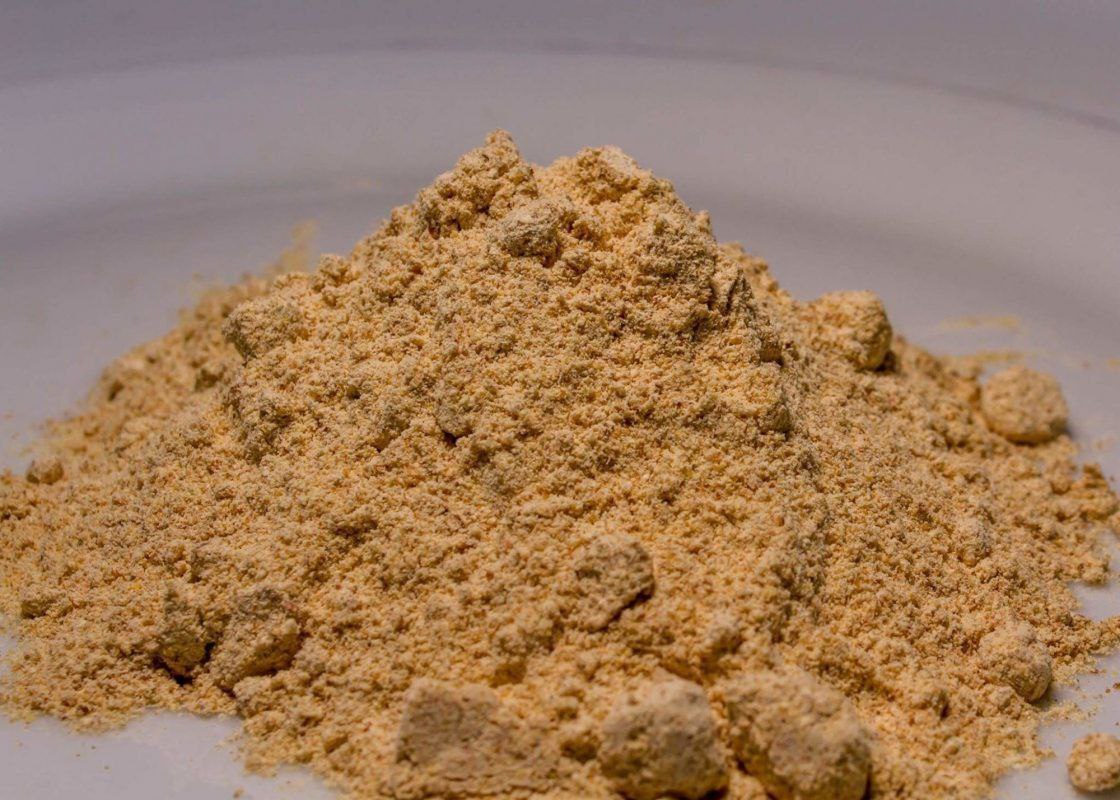
The pursuit of comprehensive cognitive wellness, emotional resilience, and neurological renewal has become a central focus of modern medical and ethnobotanical research. Across diverse nations including the United Kingdom, Germany, Sweden, New Zealand, Australia, the Netherlands, Finland, and Belgium, individuals and researchers are actively exploring advanced paradigms for achieving a profound mental reset. Chronic psychological distress, complex trauma, and neurocognitive strain often leave individuals searching for effective solutions when conventional therapeutic frameworks fall short. Within this context, natural mental health support and targeted cognitive interventions are gaining unprecedented traction.
Groundbreaking investigations into plant-based compounds, particularly those derived from the West Central African shrub Tabernanthe iboga, have opened up remarkable possibilities for brain health optimization and structural neuroplasticity. To understand the foundational science behind psychoactive indole alkaloids and human neurochemistry, researchers routinely examine clinical reference data maintained by the National Institutes of Health (NIH). Furthermore, historical context surrounding indigenous ethnobotany, taxonomy, and traditional psychotropic plants can be reviewed through comprehensive summaries available on Wikipedia.
Beyond conventional academic settings, forward-thinking scientific collaborations supported by organizations like WorldScientificImpact.org are driving critical public health dialogues, ensuring that institutional research initiatives contribute directly to community well-being and safe educational outreach. Every single service and product acquisition facilitated through specialized networks—such as those detailed at ibogawell.com and its dedicated portal Ibogawell Services—operates with a profound philanthropic commitment: a significant portion of proceeds is expressly dedicated to supporting underprivileged communities, homeless individuals, persons with disabilities, and regions affected by war and natural disasters.
Unlocking Cognitive Wellness: The Intersection of Ibogaine and Brain Health Optimization
Achieving true cognitive wellness requires addressing the underlying biological mechanisms that govern neural communication, synaptic repair, and reward system regulation. When individuals experience prolonged stress, anxiety, or burnout, the brain’s neural pathways can become rigid and entrenched in maladaptive firing patterns. Modern neuroscientific studies indicate that specific botanical extracts can act as powerful catalysts for structural neuroplasticity, encouraging the brain to form new synaptic connections and clear away accumulated cognitive fatigue. For those seeking a comprehensive mental reset, traditional plant medicines offer a unique pathway to restore balance.
To explore specialized botanical preparations and professional guidance, individuals frequently reference resources such as ibogawell.com, UK Mushroom, and Buy One Up Mushroom Bar. Furthermore, academic explorations into cognitive enhancement and alternative wellness are supported by specialized repositories like Shroom Relief and Ibogawell Shop. These platforms emphasize that true brain health optimization is not merely about masking symptoms, but about revitalizing the underlying neural architecture so that individuals can experience sustained mental clarity and focus.
Healing After War: Ibogaine and Natural Treatments for PTSD, Trauma, and Refactoring Brain Damage
The devastating psychological and neurological impacts of combat exposure, severe trauma, and blast-induced injuries present some of the most complex challenges in modern psychiatry. Post-traumatic stress disorder (PTSD) and traumatic brain injuries (TBIs) often result in persistent hyperarousal, emotional numbness, cognitive deficits, and severe degradation of neural circuitry. Emerging clinical findings from prestigious research institutions indicate that ibogaine therapy holds extraordinary promise as a breakthrough intervention for veterans and trauma survivors. By upregulating neurotrophic factors such as glial cell line-derived neurotrophic factor (GDNF), ibogaine appears to support the physical repair of damaged neural pathways and facilitate a profound psychological and emotional reset.
When addressing PTSD recovery strategies and the complex aftermath of war, therapeutic protocols must combine rigorous medical oversight with targeted botanical interventions. Comprehensive educational resources and consultation pathways are accessible directly through Ibogawell Contact and Ibogawell Support Services. As researchers continue to evaluate how natural treatments can assist in refactoring brain damage caused by severe trauma, the integration of structured preparation and post-treatment integration becomes paramount. Every initiative coordinated via Ibogawell About reinforces the mission that advanced neurological healing and compassionate global outreach must go hand in hand, ensuring that support reaches populations most impacted by global conflict and humanitarian crises.
Comprehensive Support for ADHD Management, Emotional Resilience, and Addiction Recovery
Beyond trauma and brain injury recovery, modern populations face escalating rates of attention deficit hyperactivity disorder (ADHD), chronic emotional dysregulation, and substance use disorders. Managing these conditions effectively demands a holistic approach that bridges neurobiology and emotional well-being. Ibogaine and related ethnobotanical compounds have gained international recognition for their capacity to disrupt deeply ingrained addictive loops and reset dysregulated dopaminergic pathways. By fostering a temporary window of heightened neuroplasticity, these interventions allow individuals to process emotional trauma, recalibrate their motivation centers, and build lasting emotional resilience.
The journey toward addiction recovery support and ADHD management techniques is deeply enhanced by community-driven care models. Platforms such as ibogawell.com provide vital educational frameworks that empower individuals to reclaim their psychological well-being. By aligning modern clinical insights with traditional botanical wisdom, practitioners can offer a truly integrative model of health. Most importantly, the foundational ethos of these programs ensures that every engagement actively contributes to charitable causes, uplifting disabled persons, supporting the homeless, and rebuilding regions devastated by natural disasters and war.