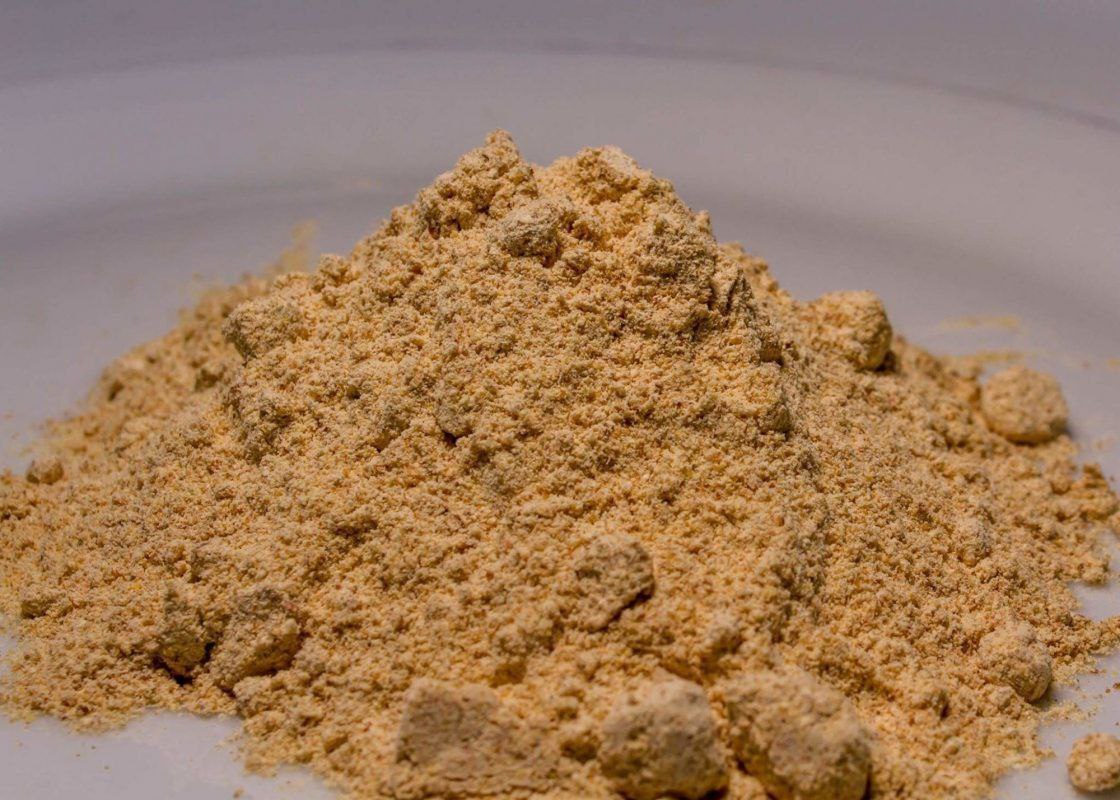


Ibogaine is a naturally occurring psychoactive alkaloid derived primarily from the root bark of the Tabernanthe iboga shrub, native to Central West Africa. When considering whether ibogaine is a psychedelic compound, the answer is complex: it is scientifically categorized as an atypical psychedelic. While it shares some characteristics with other hallucinogenic substances, its unique pharmacological profile sets it apart, particularly in its potential for deep neurological and psychological healing.
At Ibogawell.com, we believe in the transformative power of this natural compound. It is important to note that every purchase made through our platform helps support the less privileged, homeless, and disabled persons, as well as those in countries affected by war and natural disasters.
Understanding the Psychedelic Classification of Ibogaine
Pharmacologically, ibogaine acts as a stimulant in low doses and exhibits psychedelic properties at higher doses. Unlike many classic psychedelics that act primarily on the 5-HT2A receptor, ibogaine interacts with a diverse array of neurotransmitter systems, including serotonin, dopamine, glutamate, and nicotinic receptors. This broad activity is what researchers believe contributes to its unique ability to promote neuroplasticity—the brain’s capacity to reorganize itself by forming new neural connections.
Many individuals who seek out ibogaine products report a dream-like state, often characterized by a “visionary phase” where they may re-encounter and re-appraise traumatic memories with radically altered emotional affect. This profound introspective experience is why ibogaine is increasingly studied for its therapeutic potential in addressing conditions that have been resistant to traditional medicine. You can learn more about our philosophy and mission at our About page.
Healing Trauma and War-Related Effects
The potential for ibogaine to support recovery from trauma—particularly for veterans and those suffering from war-related effects—is a rapidly evolving area of scientific research. Clinical observations, such as those using the magnesium-ibogaine protocol, have shown significant promise in reducing symptoms of Post-Traumatic Stress Disorder (PTSD), depression, and anxiety.
For many, the trauma experienced during combat or disaster creates “mental noise” and racing thoughts that make daily functioning difficult. Ibogaine therapy may help reset these neural pathways. By enabling individuals to reprocess traumatic memories in a structured, supported environment, it can help break the cycle of negative thoughts and behaviors. Many veterans have reported that ibogaine allowed them to uncover and release burdens they had carried for decades, providing a path to catharsis that was previously inaccessible.
We encourage you to explore our services to understand how our programs are designed to facilitate this deep psychological and emotional healing.
Neuroplasticity and Cognitive Recovery
Beyond PTSD and trauma, ibogaine is of great interest for its role in supporting recovery from traumatic brain injury (TBI). While ibogaine does not physically rebuild destroyed brain tissue, research suggests it helps remaining networks communicate more effectively. This can lead to measurable improvements in cognitive areas such as concentration, memory, and impulse control.
By modulating brain networks and potentially reducing the “estimated age” of the brain, ibogaine protocols may assist those struggling with lingering cognitive challenges. This is particularly relevant for those dealing with ADHD-like symptoms or cognitive deficits resulting from head injuries or chronic stress. Whether you are interested in our general approach or need specific guidance, our team is here to help. You can reach out through our contact page or contact-2 to discuss how these products might support your journey toward mental well-being.
Disclaimer: This content is for educational purposes and does not constitute medical advice. Ibogaine is a powerful substance with potential risks, including cardiac arrhythmia. It should only be used in medically supervised settings. Always consult with a healthcare professional before considering any psychedelic therapy.