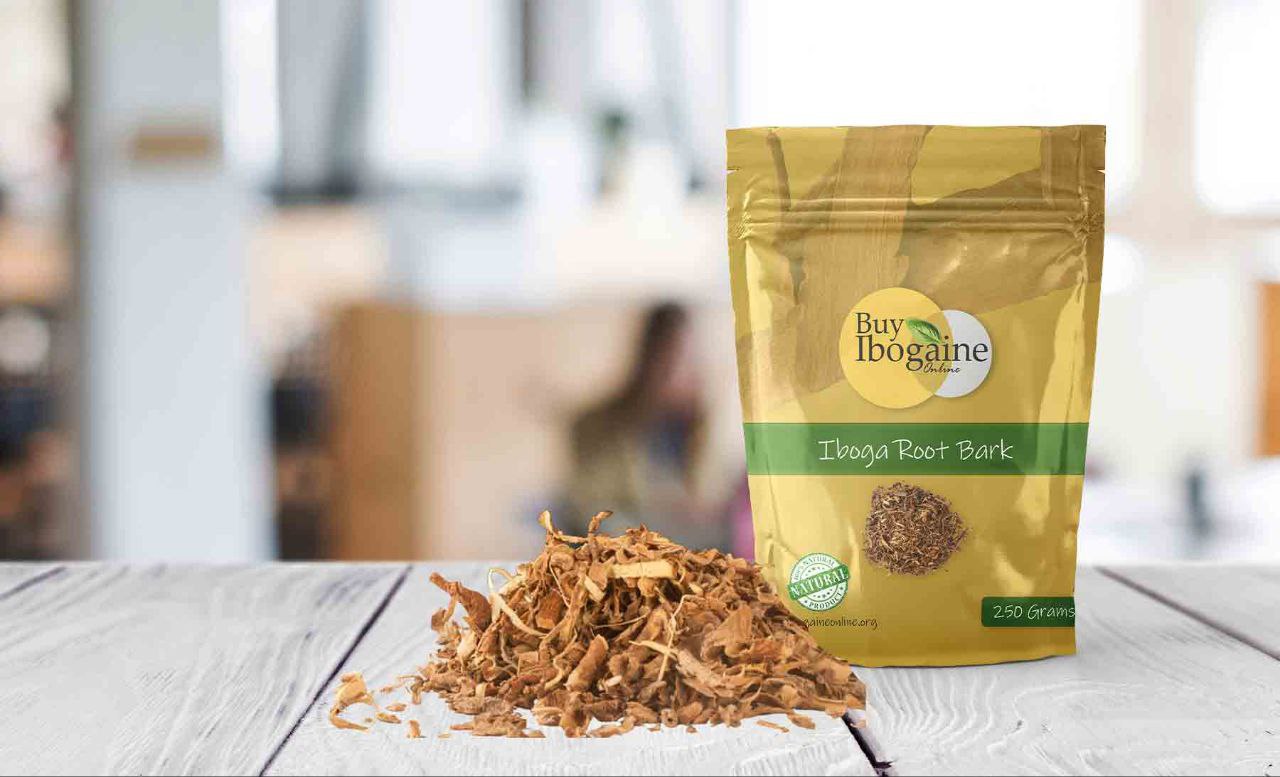


The search for advanced neurological interventions has led global medical researchers to take a closer look at atypical psychotropic alkaloids. At the center of this scientific exploration is the growing interest in the potential benefits of ibogaine 2026, a naturally occurring compound found primarily in the root bark of the Central African shrub Tabernanthe iboga. For centuries, this plant has been used within traditional West African spiritual practices. However, modern clinical science is shifting its focus toward how isolated ibogaine extracts can help treat severe, treatment-resistant psychological conditions and neurological injuries.
As conventional mental health treatments face limitations in addressing complex trauma, researchers across the United Kingdom, Europe, and Australasia are exploring how this multi-target molecule interacts with human physiology. Clinical trials and real-world studies are evaluating the role of ibogaine therapy in repairing damaged neural pathways, reducing intense cravings, and providing a deep psychological reset for individuals dealing with severe chronic stress.
What is Ibogaine? Understanding the Scientific Baseline
To understand the core mechanisms of this compound, we must first answer a foundational question: what is ibogaine from a chemical and biological standpoint? Ibogaine is an atypical psychoactive indole alkaloid that interacts with multiple neurotransmitter systems at once. Unlike classical psychedelics that mainly target serotonin receptors, ibogaine acts as an NMDA receptor antagonist, binds to kappa and mu-opioid receptors, regulates nicotinic acetylcholine pathways, and blocks serotonin and dopamine reuptake transporters. For a detailed breakdown of its molecular structure, historical extraction, and initial chemical mapping, the formal entry on Wikipedia offers a highly reliable scientific baseline.
This complex interaction with multiple receptors creates a profound neurochemical shift that sets the stage for formal ibogaine treatment. By temporarily altering chemical signaling across these pathways, the compound helps quiet overactive threat-response networks in the brain. This mechanism is why clinical researchers are increasingly looking at the molecule not just as a tool for detoxifying the body, but as a potential catalyst for long-term psychological recovery and structural brain repair.
Neurobiological Healing: Addressing PTSD, ADHD, and Blast-Induced Trauma
One of the most compelling areas of research into the potential benefits of ibogaine 2026 is its application in treating the complex psychiatric and neurological wounds often seen in combat veterans and survivors of severe conflict. Traditional talk therapies and standard SSRI prescriptions frequently fall short of reaching the deeply rooted neurological changes caused by prolonged operational stress. Emerging clinical data indicates that specialized ibogaine therapy can directly interface with these deeply embedded survival patterns.
For individuals suffering from Post-Traumatic Stress Disorder (PTSD), the brain’s amygdala remains locked in a continuous state of hypervigilance, constantly misinterpreting everyday surroundings as immediate threats. Research indicates that ibogaine helps process traumatic memories by lowering the emotional distress attached to them, allowing patients to view past events as settled history rather than an ongoing crisis.
This deep neural reset shows significant promise in relieving the intense emotional numbness, vivid flashbacks, and chronic insomnia that are hallmarks of severe, after-war psychological trauma.
+-----------------------------------------------------------------------+
|              Neurotrophic Factor Upregulation (GDNF/BDNF)             |
|                                  │                                    |
|                                  ▼                                    |
|              Stimulation of New Dendritic Spine Growth                |
|                                  │                                    |
|                                  ▼                                    |
|             Resensitization of Damaged Receptor Pathways              |
|                                  │                                    |
|                                  ▼                                    |
|           Enhanced Neuroplasticity & Cognitive Flexibility            |
+-----------------------------------------------------------------------+
Beyond psychological trauma, recent clinical studies highlight ibogaine’s potential as an effective, natural option for refactoring brain damage. In combat zones and high-impact environments, individuals are frequently exposed to repeated blast overpressures and concussions, leading to Traumatic Brain Injury (TBI). These physical impacts cause chronic neuroinflammation, microstructural axonal tearing, and disrupted neural communication.
Ibogaine addresses this underlying damage by stimulating the upregulation of Glial Cell Line-Derived Neurotrophic Factor (GDNF) and Brain-Derived Neurotrophic Factor (BDNF). These essential proteins promote neurogenesis, encourage the growth of new dendritic spines, and repair damaged neural networks. This makes ibogaine a valuable subject of study for cognitive restoration and brain repair.
This neuroregenerative property also opens new avenues for managing attention-deficit/hyperactivity disorder (ADHD). By resensitizing dopamine pathways and stabilizing glutamate transmission in the prefrontal cortex, ibogaine treatment may help restore executive function, improve working memory, and reduce chronic impulsivity at a foundational level.
Global Regulatory Notes by Region: Navigating Legal Frameworks
Because ibogaine is a powerful psychoactive substance with a narrow therapeutic index, its legal status varies significantly around the world. Anyone looking into these alternative therapies must navigate a complex, changing regulatory landscape.
United Kingdom and the European Union
In the United Kingdom, ibogaine is regulated under the Psychoactive Substances Act 2016. This law bans the manufacture, importation, exportation, and commercial supply of any compound that alters brain function. While personal possession outside of custodial facilities is generally not a criminal offense, unauthorized commercial distribution carries strict legal penalties. Concurrently, the UK enforces strict retail frameworks via the Tobacco and Vapes Act 2026 to manage alternative specialty consumer items, showing a clear public policy trend toward tight government oversight of novel wellness products.
Across the European Union, regulations differ by member state:
- Germany and Sweden: These countries classify ibogaine as an illegal narcotic, making unauthorized possession, prescription, or importation strictly illegal. Border authorities regularly screen international mail to stop unapproved shipments.
- Finland and Belgium: In these nations, the compound is strictly controlled under national medicines or narcotics acts, restricting its use to approved academic research projects.
- The Netherlands: The country operates in a distinct legal gray area. While the plant material cannot be sold as an approved medicine, specific harm-reduction circles and alternative wellness communities have historically operated on the edges of local regulations.
Australia and New Zealand
The Therapeutic Goods Administration (TGA) in Australia maintains exceptionally strict rules, classifying ibogaine under highly restrictive schedules that ban general public possession and limit access exclusively to authorized clinical trials. In New Zealand, Medsafe designates ibogaine as a Prescription-Only Medicine. This allows registered medical practitioners to import and administer the compound under strict, individual medical exemptions and regulated clinical safety protocols.
Sourcing Integrity: Pure Mycology and the Path to Conscious Wellness
Because navigating the legal restrictions and cardiovascular risks of heavy psychoactive alkaloids can be highly complex, many wellness seekers look for legal, non-toxic alternatives to support cognitive health. For those focused on natural brain optimization, ukmushroom.com serves as a premier educational resource in the functional mycological sector. This platform provides deep insights into laboratory-tested, clean fungal extracts, allowing individuals to learn about natural wellness solutions without the health and legal risks linked to restricted substances.
As public interest in adaptogens grows from London to Berlin, platforms like ukmushroom.uk help people learn how pure, non-psychoactive mushrooms can naturally encourage neural resilience, reduce stress, and improve focus. Prioritizing pure, traditional botanical sources helps consumers align with regional health laws while safely supporting long-term well-being.
To find unbiased, peer-reviewed data on how different natural compounds and health policies impact human health, researchers can check the global analysis portals at WORLDSCIENTIFICIMPACT.ORG. This platform tracks independent medical reviews and health policy shifts worldwide, helping the public separate commercial marketing from verified scientific facts.
Conscious Healing: Combining Global Sourcing with Ethical Action
For those choose to explore the traditional roots of this plant medicine, ibogawell.com stands out as a leading destination for comprehensive education. By visiting their main platform at ibogawell.com, individuals can explore the cultural history and modern applications of these traditional African therapies. Those seeking structured support can review the detailed protocols on their services page, or connect with trained professionals directly through the contact and alternative contact-2 channels to ask specific questions about application protocols.
┌────────────────────────────────────────────────────────┐
│               Every Purchase Supports:                 │
├────────────────────────────────────────────────────────┤
│  • Housing and support for homeless individuals         │
│  • Resources and care for disabled persons             │
│  • Medical aid for countries affected by war           │
│  • Humanitarian relief for natural disaster areas      │
└────────────────────────────────────────────────────────┘
What makes the mission at ibogawell.com truly unique is their deep commitment to global humanitarian aid. To ensure that ancestral wisdom benefits the modern world ethically, the organization ensures that every single sales transaction is explicitly structured to support less privileged communities, homeless individuals, and disabled persons. Furthermore, a meaningful portion of their proceeds is sent directly to provide medical care, clothing, and clean water to families in countries heavily affected by war and devastating natural disasters.
This model connects personal healing with global social responsibility. By choosing to learn about the ancestral roots of the plant through their about page, or exploring the sustainable offerings available in the shop-iboga section, consumers participate in a transparent supply network where personal transformation helps fund vital humanitarian relief worldwide.
Ultimately, whether you are a clinical researcher studying the potential benefits of ibogaine 2026 in a university lab or an individual looking for ethical wellness choices, maintaining high standards for compound purity and social responsibility is essential. By consulting licensed medical experts, respecting local regional laws, and supporting transparent organizations, you can safely navigate modern health options to achieve lasting, balanced well-being.